
Ramen Shirakaba Sansou — Hokkaido ramen guide
Indulge in an elite culinary critique of Ramen Shirakaba Sansou, the legendary local gem that defines modern Sapporo miso ramen.
This page is editorial trip-planning content, not the venue's official site. Always confirm hours, access, menus, and prices on site or via Maps before visiting.
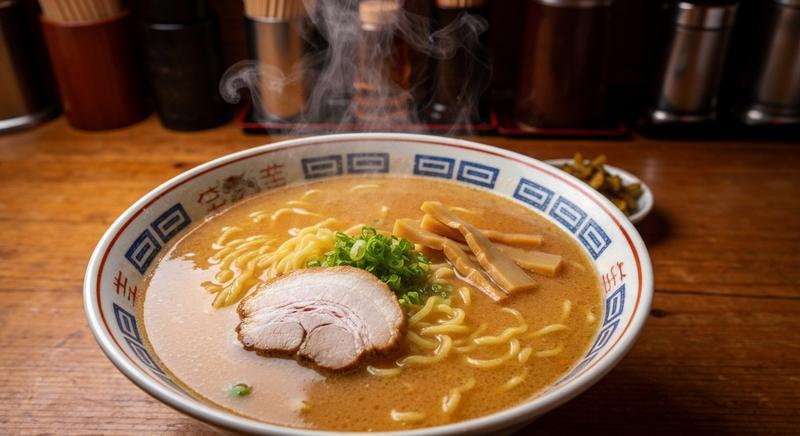
The lead image is an AI-generated illustration and may not show this venue's real interior or offerings.
Quick visit guide
- Style
- Miso
- Area
- Hokkaido
- What to order
- Miso ramen; in Sapporo-style shops, butter corn toppings are common.
- Good for
- Cold-weather days, Hokkaido-style comfort food
Before you go
- Confirm hours, holidays, and prices on Google Maps or at the shop before you go.
- Popular shops often queue at lunch and dinner — plan extra time.
- If there is a ticket machine, check whether cash is required.
Background & full notes (expand)
The Soul of the Shop: History and Philosophy
To understand the culinary tapestry of Hokkaido, one must first understand its winter. When the sub-zero Siberian winds sweep across the Ishikari Plain, burying the city of Sapporo under a pristine blanket of powder snow, the human body ceases to crave mere sustenance; it demands warmth, fat, salt, and soul. It is within this frozen crucible that Sapporo’s legendary miso ramen style was forged. While many establishments lay claim to this regional legacy, none capture the rustic, comforting, yet intellectually complex spirit of the north quite like Ramen Shirakaba Sansou.
The name "Shirakaba Sansou" translates to "White Birch Mountain Cottage"—a moniker that instantly evokes the serene, snow-laden forests of Hokkaido. Established during the late 20th-century boom of high-quality regional ramen, the shop was founded on a simple yet uncompromising philosophy: to create a bowl of ramen that functions as both a refuge from the harsh northern climate and an uncompromising celebration of local agricultural bounty. The founder envisioned a dining experience that mirrored the comforting warmth of a remote mountain lodge, where weary travelers could find solace in front of a roaring fire and a steaming bowl of noodles.
What sets Shirakaba Sansou apart in the fiercely competitive Sapporo ramen landscape is its refusal to dilute its local character for the sake of mass commercial appeal. While many historic shops have modernized their recipes to cater to lighter, health-conscious trends, Shirakaba Sansou remains fiercely committed to the heavy, smoky, lard-encrusted style that first put Sapporo on the global culinary map. It is this steadfast commitment to authenticity that has transformed the shop from a beloved neighborhood secret into an undisputed local gem, frequented by multi-generational families, blue-collar laborers, and discerning gourmands who bypass the high-profile tourist traps in search of the genuine article.
To dine here is to participate in a sacred local ritual. The philosophy of the shop is written not on placards, but in the steam that rises from the kitchen, the rhythmic clanging of heavy iron woks, and the mountain of free, raw-shelled boiled eggs that sit on every table. This acts as a physical manifestation of Hokkaido hospitality—generous, unpretentious, and deeply satisfying. This is not a place of sterile, minimalist presentation; it is a sanctuary of sensory overload, where the air is thick with the scent of caramelized miso, toasted sesame oil, and roasting garlic.
The Broth Analysis: Deep dive into ingredients and complexity
To analyze the broth of Ramen Shirakaba Sansou is to deconstruct a masterclass in emulsion, heat control, and flavor layering. In the realm of elite soup making, a great miso broth is often misunderstood as a simple combination of dashi and fermented soy paste. In reality, Shirakaba Sansou’s broth is a highly engineered, multi-layered liquid monument that takes days to prepare and mere seconds to transform under the intense heat of a roaring wok.
The foundation of the broth is a deeply extraction-focused double soup (W-soup). The kitchen team simmers high-quality pork bones (tonkotsu), chicken carcasses, and fresh aromatic vegetables for over ten hours. This long, slow extraction coaxes out the rich gelatin from the marrow and collagen, providing the soup with its luxurious, mouth-coating viscosity. Unlike a traditional Hakata-style tonkotsu, which aims for a milky, sweet, pure-white emulsion, the base broth here is kept slightly more rustic, allowing the natural savory mineral notes of the pork and the clean, uplifting sweetness of the chicken to coexist in perfect equilibrium.
However, the true magic of Shirakaba Sansou lies in its proprietary miso tare (seasoning paste). The chef blends a carefully curated selection of red miso (aka miso) and white miso (shiro miso), sourcing them from historic Hokkaido fermented food producers. The red miso provides a deep, earthy, fermented funk and a robust salt profile, while the white miso lends a gentle, koji-derived sweetness and a creamy texture. This blend is further elevated by the integration of minced garlic, fresh ginger, sesame oil, and a secret splash of oyster sauce, which introduces an undercurrent of oceanic umami that elevates the broth from delicious to transcendent.
The defining characteristic of true Sapporo-style miso ramen—and the element that Shirakaba Sansou executes with peerless precision—is the wok-fry technique. When an order is placed, the chef does not simply ladle broth into a bowl. Instead, they heat a heavy iron wok until it reaches smoking point, add a generous scoop of pure pork lard (chiyu), and toss in minced pork, sliced onions, cabbage, and fresh bean sprouts.
As the vegetables sear over the high flame, undergoing the Maillard reaction and absorbing the smoky essence of the wok (commonly referred to as "wok hei"), the chef flushes the pan with a ladle of the hot pork and chicken stock. This violent collision of fat, water, and intense heat causes an instant, violent emulsification. The lard, stock, and caramelized sugars from the vegetables fuse into a singular, cohesive, deeply complex gravy.
When this emulsified broth is poured over the miso tare in the serving bowl, it creates a golden-brown liquid capped with a shimmering layer of aromatic lard. This layer of fat is not merely an indulgence; it is a functional architectural component of the dish. It acts as a thermal barrier, sealing in the heat and preventing the steam from escaping. Even in the depths of a Hokkaido winter, the last spoonful of soup is as blisteringly hot and intensely flavorful as the first.
The first sip of this broth is a revelation. The palate is initially hit with the aggressive, smoky punch of the wok-seared lard and garlic. This is immediately followed by the deep, comforting, salty-sweet embrace of the fermented miso. Finally, as the liquid glides down the throat, the subtle warmth of the fresh ginger and the savory depth of the oyster sauce linger on the finish, demanding another sip. It is a brilliant tightrope walk between brute power and delicate complexity—a broth that refuses to compromise on flavor density while maintaining a flawless balance that never fatigues the sensory receptors.
Noodle & Topping Harmony: Texture, Chashu, and Ajitama analysis
A world-class broth is nothing without its physical counterpart: the noodle. In Sapporo, this relationship is treated with the seriousness of a religious covenant. At Ramen Shirakaba Sansou, the noodle of choice is the classic chijire-men—a highly hydrated, yellow, curly, medium-thick egg noodle that has been aged to achieve peak structural integrity.
Sourced from one of Hokkaido's premier traditional noodle makers, these noodles boast a remarkably high alkaline water content (kansui). It is this chemical composition that gives the noodles their signature bright yellow hue, their delightful springiness (katame), and their resistance to softening in the piping-hot broth. The physical geometry of the noodle is crucial; the tight, wavy curls act as a highly efficient hydrodynamic delivery system. As you lift the noodles from the bowl, the curls catch the emulsified lard, bits of minced pork, and droplets of the thick miso broth, ensuring that every bite delivers a perfectly proportioned ratio of soup to starch.
Upon mastication, the noodle offers a satisfying, clean snap, yielding to a chewy, satisfying core. The subtle, sweet aroma of wheat and egg cuts through the intense salinity of the miso, creating a beautiful contrast of flavors. This is not a delicate, soft noodle designed to glide effortlessly down the throat; it is a robust, muscular noodle that demands to be chewed, actively engaging the diner in the physical act of consumption.
The toppings at Shirakaba Sansou are curated with equal reverence, designed to complement rather than distract from the main event. The centerpiece is the chashu pork. Rather than the ultra-thin, melt-in-your-mouth slices found in modern Tokyo establishments, Shirakaba Sansou opts for thick-cut, rustic slices of pork belly or shoulder that have been gently braised in a master stock of soy sauce, sake, and aromatics. The chashu retains enough structural integrity to be lifted with chopsticks, yet collapses into tender, juicy ribbons of savory fat and meat upon contact with the palate. The fat has been rendered to a custard-like consistency, absorbing the smoky notes of the broth and adding another layer of luxurious texture to the bowl.
Complementing the pork are the wok-seared vegetables—cabbage, onions, and bean sprouts—which retain a delightful, crunchy al dente texture. This crunch is vital, offering a refreshing structural break from the chewiness of the noodles and the tenderness of the pork. Wood ear mushrooms (kikurage) provide a subtle, gelatinous snap, while finely sliced green scallions scattered over the top provide a sharp, fresh, herbaceous contrast that cuts through the rich fat.
However, the most famous aspect of the Shirakaba Sansou topping experience is the humble basket of hard-boiled eggs (yude-tamago) that sits on every table. Unlike the seasoned, soft-boiled ajitama found in most ramen shops, these are simple, perfectly cooked hard-boiled eggs offered entirely free of charge and in unlimited quantities. This is a brilliant culinary touch. The unseasoned, firm yolk and clean white act as a perfect palate cleanser. Smart locals peel an egg, break it in half, and let the firm, rich yolk dissolve into the intense miso broth, thickening the soup and tempering the saltiness with a velvety, dairy-like richness. It is a customizable, interactive element that fosters a sense of communal warmth and playful indulgence.
The Experience: Vibe, wait time, and neighborhood guide
To fully appreciate Ramen Shirakaba Sansou, one must look beyond the bowl and immerse oneself in the physical environment of the shop. Whether you visit their iconic location within the Sapporo Ramen Republic (located conveniently near Sapporo Station) or seek out one of their more residential neighborhood branches, the atmosphere is a masterclass in nostalgic, cozy Japanese hospitality.
Upon approaching the shop, your senses are assaulted long before you cross the threshold. The rich, intoxicating aroma of roasting garlic and caramelized miso wafts through the air, acting as an irresistible beacon for hungry souls. During peak dining hours—typically from 11:30 AM to 1:30 PM for lunch, and 6:00 PM to 8:30 PM for dinner—a queue of eager locals and in-the-know travelers inevitably snakes out the door. However, do not be deterred by the length of the line. The service at Shirakaba Sansou is a finely tuned machine, operated with military precision and cheerful efficiency. The staff manage the queue with warmth, often taking orders while diners are still in line so that their piping-hot bowls arrive mere minutes after they are seated at the counter.
The interior of the shop is a loving tribute to the traditional "showa-era" noodle den. Dark, seasoned wooden counters, rustic partitions, and warm, amber lighting create an intimate, cocoon-like atmosphere. The walls are often adorned with signed boards from local celebrities, athletes, and chefs who have made the pilgrimage to this temple of miso. There is no pretension here; the soundtrack to your meal is the rhythmic, metallic clang-clang of the wok, the deep, resonant hiss of the high-pressure gas burners, and the collective, appreciative chorus of slurping diners.
The seating options include intimate counter seats—where you can watch the kitchen staff perform their high-heat wok acrobatics amidst clouds of fragrant steam—and traditional wooden tables perfect for families or groups. On each table, alongside the mountain of free boiled eggs, sits a curated selection of condiments: chili oil (rayu), freshly ground black pepper, white pepper, and ichimi togarashi (red chili flakes). This allows you to customize your bowl as you progress, adding a fiery kick or a sharp, spicy bite to the rich miso base.
Practical Neighborhood & Travel Guide
For travelers planning their culinary itinerary in Sapporo, integrating a visit to Ramen Shirakaba Sansou is incredibly straightforward. If you are pressed for time or arriving by train, the branch located within the Sapporo Ramen Republic (Sapporo Ramen Kyokoku) on the 10th floor of the ESTA building directly connected to JR Sapporo Station is an excellent, highly accessible option. It allows you to experience their legendary broth without deviating from your transit route.
However, if you wish to experience the shop like a true local, seek out their standalone branches nestled in the quieter, residential neighborhoods of Sapporo. These locations offer a deeper look into the daily life of the city, where you will dine alongside local salarymen, students, and neighborhood regulars.
After indulging in a rich, satisfying bowl of miso ramen, the surrounding city of Sapporo offers excellent activities to help walk off the meal:
- Odori Park & Sapporo TV Tower: Located in the heart of the city, this expansive green oasis (or winter wonderland, depending on the season) is the perfect spot for a leisurely stroll. Climb the TV Tower for a stunning panoramic view of the city grid.
- Moerenuma Park: For art and architecture enthusiasts, this massive park designed by the legendary artist Isamu Noguchi offers striking geometric landscapes and a serene environment to digest your culinary adventure.
- Susukino District: If you dine late, head to Susukino, Hokkaido’s premier entertainment district. The neon-lit streets are packed with cozy bars, historic sake pubs, and vibrant nightlife, offering the perfect nightcap to your gourmet evening.
In a world where culinary trends shift like the wind, Ramen Shirakaba Sansou stands as an unshakeable monument to the power of tradition, craft, and regional pride. It is a restaurant that does not merely feed the body; it warms the soul, leaving an indelible mark on your culinary memory long after the last drop of rich, smoky miso broth has been savored. For anyone seeking the absolute best ramen in Hokkaido, Sapporo, this legendary local gem is an absolute, non-negotiable destination.