Mennoya Kyoto — Kyoto ramen guide
Tucked away in the historic alleys of Nakagyo, Mennoya serves a masterfully crafted Shoyu ramen that captures the pure culinary soul of Kyoto.
This page is editorial trip-planning content, not the venue's official site. Always confirm hours, access, menus, and prices on site or via Maps before visiting.
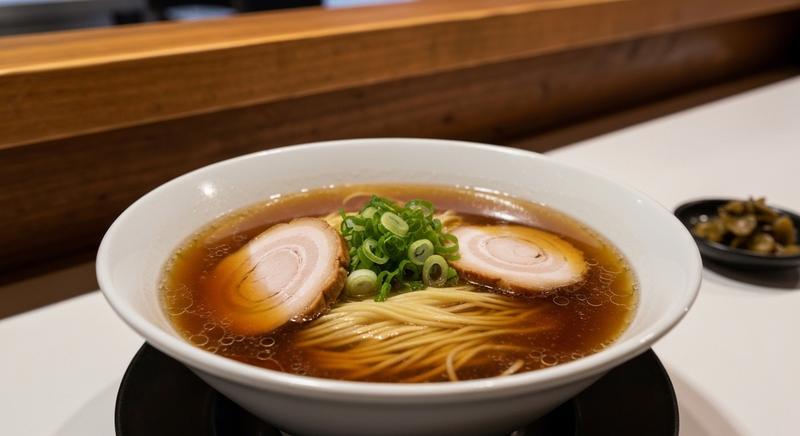
The lead image is an AI-generated illustration and may not show this venue's real interior or offerings.
Quick visit guide
- Style
- Shoyu
- Area
- Kyoto
- What to order
- Classic shoyu ramen; taste the broth first before adding condiments.
- Good for
- Classic ramen fans, travelers who prefer balanced bowls
Before you go
- Confirm hours, holidays, and prices on Google Maps or at the shop before you go.
- Popular shops often queue at lunch and dinner — plan extra time.
- If there is a ticket machine, check whether cash is required.
Background & full notes (expand)
The Soul of the Shop: History and Philosophy
In the winding, whisper-quiet backstreets of Nakagyo-ku, Kyoto—far removed from the neon-lit sensory overload of Kawaramachi and the frantic bustle of Kyoto Station—lies Mennoya. To the uninitiated, it presents itself merely as an unassuming sliding wooden door adorned with a pristine, indigo-dyed noren curtain. Yet, to the culinary purist, this humble threshold represents the entrance to a temple of liquid gold.
Mennoya Kyoto is not a shop built on the volatile foundations of social media hype, nor does it cater to the ephemeral trends that dictate the modern ramen landscape. Instead, it is a fiercely guarded local secret, a "Local Gem" in the truest sense of the term. Owned and operated by a master craftsman whose culinary lineage traces back through decades of traditional Japanese cooking (Kyo-ryori), Mennoya operates under a simple, uncompromising philosophy: Fueki Ryuko—a concept coined by the legendary haiku poet Matsuo Basho, which translates to "fluidity and permanence." It is the pursuit of unchanging, timeless truths through constantly evolving and refining one's daily practice.
At Mennoya, this philosophy manifests in a bowl of Shoyu ramen that manages to taste both historic and revolutionary. While Kyoto is historically renowned for its rich, heavy, pork-bone-based Kotteri broths—such as those popularized by the legendary Tenkaippin—Mennoya champions a more refined, elegant, and deeply complex style of Shoyu ramen. This style honors Kyoto’s historical preference for subtle, clear, and deeply umami-driven flavors, drawing heavily upon the delicate dashi culture of the ancient capital.
Every morning, long before the first rays of sunlight illuminate the tiled roofs of Nakagyo's traditional machiya townhouses, the master begins his daily ritual. The air inside the shop becomes thick with the intoxicating aromas of roasting chicken bones, oceanic dried fish, and the rich, wood-aged perfume of fermenting soy sauce. There are no shortcuts taken here. The master believes that a single bowl of ramen should tell the story of Kyoto’s terroir, utilizing ingredients sourced almost exclusively from the Kansai region and utilizing water drawn from Kyoto’s pristine underground aquifers. It is a quiet, meditative devotion to the craft that transforms a simple meal into an profound gastronomic experience.
The Broth Analysis: Deep dive into ingredients and complexity
To truly understand the brilliance of Mennoya’s Shoyu ramen, one must dissect its broth with the analytical precision of a laboratory scientist and the poetic appreciation of a Michelin inspector. The broth here is not merely a soup; it is a masterclass in culinary chemistry, a highly sophisticated emulsion of three distinct components: the dashi (soup stock), the tare (seasoning base), and the chiyu (aromatic chicken fat).
The Foundation: Kyoto's Water Chemistry
Any master brewer or distiller in Kyoto will tell you that the secret to the city's legendary sake, tofu, and dashi lies beneath the earth. Nakagyo sits directly above a vast subterranean reservoir of incredibly soft, iron-free water. This soft water is crucial for the extraction of delicate glutamic acids from kelp and the clean, sweet characteristics of poultry bones. Mennoya filters this local well water to a precise mineral balance, ensuring that the water acts as a completely neutral canvas, allowing the pure, unadulterated flavors of the premium ingredients to sing without metallic interference.
+-------------------------------------------------------------+
|                     MENNOYA BROTH ANATOMY                   |
+-------------------------------------------------------------+
|  [Aromatic Layer]  Chiyu (Kyotango Chicken Fat + Ginger)    |
|                                                             |
|  [The Body]        Chinsu Stock                             |
|                    - Kyotango Heirloom Chicken Bones        |
|                    - Premium Hokkaido Makonbu               |
|                    - Urume-bushi (Dried Round Herring)      |
|                                                             |
|  [The Soul]        Kioke-Aged Shoyu Tare (Cedar-barrel)      |
+-------------------------------------------------------------+
The Double-Structure Dashi
The soup base is a meticulous double-structure broth, combining a land-based animal stock with an ocean-based seafood stock, simmered separately at highly specific, scientifically monitored temperatures before being blended in a secret ratio.
-
The Land Animal Component: The primary body of the broth is brewed using Kyoto Red Chicken (Kyotango-aka-dori), a premium, free-range heritage breed known for its clean fat profile, deep muscular umami, and collagen-rich bones. The master simmers these bones alongside premium pork trotters at a strict sub-boiling temperature of exactly 92°C (197.6°F) for over fourteen hours. This precise temperature control ensures that the proteins do not emulsify into a cloudy, heavy white soup (tonkotsu/paitan), but instead yield a crystal-clear, deep golden chinsu (clear soup). This process extracts the maximum amount of gelatin and inosinic acid while preserving a clean, delicate mouthfeel.
-
The Oceanic Component: The seafood element is a love letter to Japanese dashi culture. It features massive sheets of Makonbu sourced from the frigid waters of Minamikayabe in Hokkaido, prized for yielding a rich, sweet, and highly refined glutamic acid profile. This is paired with Urume-bushi (dried round herring) and Soda-bushi (dried frigate mackerel) rather than the standard bonito flakes. The herring and mackerel provide a deeper, darker, and slightly more rustic oceanic bass note that anchors the light, sweet notes of the chicken. Finally, a small hand of premium, low-temperature dehydrated Niboshi (anchovies) from the Seto Inland Sea is added during the final hours of brewing to introduce a delicate whisper of mineral salinity and bitterness that cuts through the rich poultry fats.
The Tare: A Masterclass in Cedar-Barrel Shoyu
If the dashi is the body of the ramen, the tare is its soul. The master at Mennoya has spent years perfecting a proprietary blend of five distinct, artisanal soy sauces sourced from historic breweries across Kyoto, Shiga, and Hyogo prefectures.
At the heart of this blend is a rare, unpasteurized Kioke Shoyu (raw soy sauce fermented in traditional cedar barrels for over three years). Modern industrial soy sauce is fermented in sterile stainless steel tanks for mere months, but Kioke-aged shoyu contains generations of wild microflora and yeasts embedded within the porous wood of the ancient barrels. This imparts an incredibly complex, deep umami flavor with subtle notes of damp earth, wood resin, and natural lactic acidity.
This raw shoyu is blended with a sweet, dark Tamari (which provides a thick, velvety mouthfeel and a deep, mahogany color) and a light, highly saline Usukuchi soy sauce to balance the salinity. The blend is then aged with a small splash of organic mirin and premium sake to round off any harsh alcoholic or metallic edges.
The Taste Experience
When the bowl is placed before you, the visual clarity of the broth is immediately arresting. It is a deep, translucent amber, reflecting the warm wooden interior of the shop. A delicate layer of chiyu (chicken fat), infused with local green scallion roots and ginger, shimmers on the surface like molten gold, trapping the rising steam and locking in the aromatics.
As you take your first sip, the initial sensation is one of supreme elegance. The broth enters the palate with a clean, sweet salinity, followed immediately by a massive wave of savory glutamates. The natural oils coat the tongue, delivering the deep, rustic warmth of the Kyotango chicken, while the dark, fermented complexity of the cedar-aged shoyu blooms at the back of the throat. Just as the richness threatens to become overwhelming, the clean, crisp oceanic mineral notes of the dried fish and kelp wash over the palate, leaving a lingering, incredibly clean aftertaste that practically demands you take another spoonful. It is a perfect, self-correcting loop of flavor that showcases the absolute pinnacle of Umami Synergy.
Noodle & Topping Harmony: Texture, Chashu, and Ajitama analysis
A world-class broth is nothing without its physical counterparts. In a masterpiece bowl of ramen, the noodles and toppings must act as a seamless extension of the soup, creating a harmonious interplay of textures, temperatures, and flavors. At Mennoya, this structural integrity is maintained with obsessive precision.
+-------------------------------------------------------------+
|                  TEXTURE & HARMONY MATRIX                  |
+-------------------------------------------------------------+
| [Noodles]     Low-hydration, straight, hand-cut, #22 gauge   |
|               - Elite snap, excellent broth-binding power   |
|                                                             |
| [Chashu 1]    Sous-vide Pork Shoulder                       |
|               - Rosy pink, delicate, clean salinity         |
|                                                             |
| [Chashu 2]    Slow-braised Rolled Pork Belly                |
|               - Melts instantly, caramelized exterior       |
|                                                             |
| [Ajitama]     Kyoto Premium Soft-boiled Egg                 |
|               - Jammy, rich, custody, marinated in raw tare |
+-------------------------------------------------------------+
The Noodles: The Conduit of Flavor
The noodles at Mennoya are custom-made daily using a proprietary blend of domestic Japanese wheat flours, with a heavy emphasis on Haruyokoi wheat from Hokkaido. This particular grain is world-renowned for its high gluten content, sweet, nutty aroma, and exceptional elasticity.
The master opts for a low-to-medium hydration, straight, thin-cut noodle (approximately size #22 on the traditional noodle cutter scale). This structural choice is deliberate. A straight, low-hydration noodle acts like a sponge, absorbing just enough of the delicate Shoyu broth through capillary action as it is pulled from the bowl.
Cooked to a perfect katame (firm) state, the first bite offers a brilliant, toothsome resistance—an elastic "snap" that releases the natural, sweet aroma of the wheat. As the noodle sits in the hot broth, it softens ever so slightly, transitioning from a firm snap to a silky, luxurious slurp that carries the golden chicken fat and complex soy flavors directly to your palate.
The Duo of Chashu: A Study in Pork
Rather than settling for a single style of meat, Mennoya elevates the bowl by presenting a dual-concept pork topping, demonstrating a mastery of both modern and traditional culinary techniques.
- The Modern Masterpiece (Pork Shoulder): The first slice is a premium cut of locally sourced pork shoulder, cooked low-and-slow via sous-vide for over twelve hours. It emerges with a beautiful, blush-pink hue. It is incredibly tender, yet retains a clean, muscular structure. Seasoned minimally with sea salt and white pepper, it acts as a clean, savory palate cleanser that highlights the pure quality of the pork.
- The Traditional Icon (Pork Belly): The second slice is a classic rolled pork belly (Buta no Kakuni style), braised for hours in a sweet, master-batch shoyu liquid infused with garlic, ginger, and sake. Before serving, each slice is gently warmed over binchotan charcoal. The heat caramelizes the outer fat layer, creating a smoky aroma that perfectly complements the dark wood notes of the broth. The fat is so beautifully rendered that it quite literally dissolves upon contact with the heat of your tongue, releasing a rich, sweet, and unctuous savoriness.
The Ajitama and the Crown of Kujo Negi
No elite ramen guide would be complete without an investigation into the Ajitama (marinated soft-boiled egg). Mennoya utilizes premium eggs sourced from a local farm in the rural outskirts of Kyoto, where the chickens are fed a nutrient-rich diet of marigold petals and rice bran. This results in an egg with a spectacularly vibrant, deep-orange yolk.
The egg is boiled to a precise second, leaving the egg white fully set but tender, while the yolk remains in a rich, jammy, custody state. It is marinated for twenty-four hours in a diluted version of the shop’s signature shoyu tare. When sliced in half, the yolk does not run into the soup, but instead holds its shape, offering a sweet, rich, and creamy contrast that tempers the clean salinity of the broth.
Finally, the bowl is crowned with a generous heap of freshly sliced Kujo Negi (Kyoto’s famous local green onion). Grown in the nutrient-dense soils of Kyoto, Kujo Negi is thinner, sweeter, and far less astringent than standard scallions. It provides a sharp, refreshing crunch and a clean, herbaceous sweetness that cuts through the richness of the pork fat, cleansing the palate between bites and ensuring that the final spoonful of broth tastes just as vibrant and exciting as the first.
The Experience: Vibe, wait time, and neighborhood guide
To dine at Mennoya is to participate in a quiet, beautifully choreographed ritual. Nakagyo-ku is a neighborhood defined by its preservation of history—a place where centenarian businesses stand alongside quiet residential homes. Mennoya fits into this tapestry seamlessly, projecting an aura of quiet confidence and understated luxury.
+-------------------------------------------------------------+
|                     MENNOYA VISIT BRIEF                     |
+-------------------------------------------------------------+
|  Location:       Nakagyo, Kyoto (Quiet backstreet alley)    |
|  Seating:        8-seat solid L-shaped counter              |
|  Atmosphere:     Quiet, focused, soft jazz, meditative      |
|  Peak Hours:     11:30 AM – 1:30 PM & 6:00 PM – 8:00 PM     |
|  Best Time:      11:15 AM (Pre-opening) or 2:00 PM          |
+-------------------------------------------------------------+
The Atmosphere inside the Sanctuary
As you slide open the heavy wooden door, you are greeted by the gentle, warm embrace of cedar wood and the soft, ambient strains of classic jazz playing quietly in the background. The shop is intimate, featuring just eight counter seats carved from a single, massive slab of polished light chestnut wood.
There are no tables here; this is a space designed for focus, appreciation, and respect for the culinary craft. The L-shaped counter offers an unobstructed view of the open kitchen, which operates with the immaculate cleanliness and quiet efficiency of a surgical theater.
The master and his singular assistant move in a silent, synchronized dance. There is no loud shouting of greetings typical of more commercialized Tokyo shops; instead, you are welcomed with a warm, polite bow and a soft-spoken irasshaimase. You place your order via a sleek, minimalist ticket machine located near the entrance, which offers clear, English-labeled buttons for international travelers, though the clientele remains overwhelmingly local.
As you sit at the counter, you observe the mesmerizing process of your bowl being constructed. The bowls are pre-heated with hot water to ensure the soup does not lose a single degree of temperature upon serving. The noodles are shaken dry with a rhythmic, sharp snap of the hand-woven bamboo strainers (teppo), and the toppings are arranged with the delicate touch of a master ikebana artist. It is a deeply meditative experience that builds a palpable sense of anticipation.
Navigating the Queue and Wait Times
Because Mennoya refuses to compromise on quality to increase turn-over speed, seating is limited, and wait times can vary. However, because it remains a relatively well-kept secret among local Kyotoites, you will not find the soul-crushing three-hour queues that plague the city's highly publicized tourist hotspots.
- Lunch Rush (11:30 AM – 2:30 PM): This is when local business owners, salarymen, and neighborhood residents descend upon the shop. The queue typically peaks between 12:00 PM and 1:15 PM, with average wait times ranging from 30 to 45 minutes. For the best experience, arrive at 11:15 AM (fifteen minutes before the doors open) to secure a spot in the first seating, or aim for a late lunch around 2:00 PM when the crowd begins to disperse.
- Dinner Service (6:00 PM – 9:00 PM): The evening atmosphere is decidedly more relaxed. The soft lighting cast by traditional paper lanterns creates a warm, cozy sanctuary from the cool Kyoto night. Arriving around 5:45 PM or after 8:00 PM will usually result in a wait of less than fifteen minutes, allowing you to slide onto a stool and enjoy your meal in peaceful tranquility.
Nakagyo-ku Neighborhood Guide
Nakagyo is the cultural heart of Kyoto, making Mennoya the perfect culinary centerpiece for a day of sophisticated exploration.
Before your meal, take a quiet stroll through the historic Sanjo-dori, a street lined with beautiful, red-brick architecture from the Meiji era, housing indie coffee roasters, traditional incense shops, and high-end Japanese textile boutiques. If you are a history enthusiast, the magnificent Nijo Castle (the Kyoto residence of the Tokugawa Shogunate) is just a pleasant fifteen-minute walk to the west.
After finishing your bowl of liquid gold, wander eastward toward the Kamogawa River. Walk along its peaceful banks as the late afternoon sun casts a warm, orange glow over the water, reflecting on the absolute culinary perfection of the meal you just experienced.
In a world where ramen is increasingly commercialized, sensationalized, and optimized for viral social media clips, Mennoya Kyoto stands as a proud, unyielding bastion of traditional craftsmanship. It is, without a shadow of a doubt, the absolute Best Ramen in Kyoto, Nakagyo—a true local masterpiece that deserves the highest praise from critics and noodle connoisseurs alike.