
The Elegant Depths of Shoyu Ramen: A Regional Journey Through Japan's Soy Sauce Soul
📅 2026-04-19
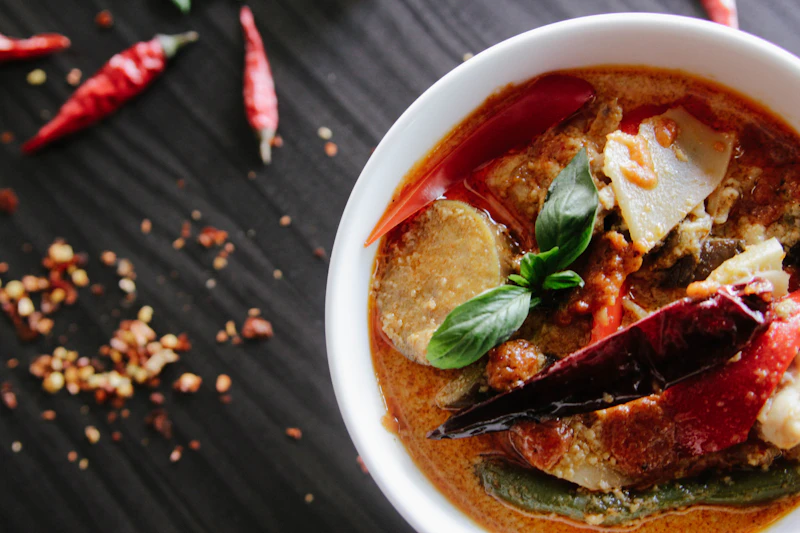
Ah, ramen. Just the word itself conjures images of steaming bowls, glistening noodles, and an aroma that promises pure culinary bliss. While ramen boasts a myriad of styles – from the milky richness of Tonkotsu to the robust warmth of Miso – there's one foundational classic that often gets overlooked in its subtle brilliance: Shoyu Ramen. For many, it's the very first Japanese ramen they ever tasted, a gateway to a world of umami. But to call Shoyu Ramen "just soy sauce ramen" would be a disservice, akin to calling a symphony "just instruments."
As a seasoned travel blogger and a lifelong devotee of Japanese cuisine, I've crisscrossed Japan, slurping countless bowls and unraveling the intricate tapestry of its regional specialties. Today, we embark on a delectable journey to celebrate the quiet elegance and incredible diversity of Shoyu Ramen, focusing specifically on how different regions harness the power of soy sauce to craft truly unique and unforgettable experiences. Prepare to have your perceptions of this "simple" dish utterly transformed.
What is Shoyu Ramen? The Ubiquitous Classic
At its heart, Shoyu Ramen is a noodle dish seasoned primarily with shoyu (soy sauce). It's often characterized by its clear to dark brown broth, a visual testament to the soy sauce's presence, yet its depth of flavor extends far beyond mere saltiness. This style is arguably the oldest and most widespread in Japan, often serving as the benchmark against which other ramen styles are compared.
The magic of Shoyu Ramen lies in its perfect harmony of components: * Broth (スープ - sūpu): Typically a clear, light broth made from chicken bones, pork bones, seafood (like niboshi – dried sardines, or katsuobushi – bonito flakes), or a combination thereof. It provides the canvas for the tare. * Tare (タレ): This is the soul of Shoyu Ramen. More than just soy sauce, tare is a concentrated seasoning base that gives the ramen its fundamental flavor profile. It’s a carefully crafted blend of various types of soy sauce, often infused with mirin, sake, dashi, and aromatic vegetables or spices. The tare determines the ramen's overall character – salty, sweet, savory, umami-rich. * Noodles (麺 - men): Usually thin to medium-thick, wavy or straight, offering a delightful chewiness that complements the broth. * Toppings (具 - gu): Classic toppings include succulent chashu (braised pork belly), ajitama (seasoned soft-boiled egg), menma (fermented bamboo shoots), nori (seaweed), and negi (chopped green onions).
The Art of the Tare: More Than Just Soy Sauce
Let's zoom in on the tare, because this is where the regional differences in Shoyu Ramen truly shine. While the broth provides body and background flavor, the tare is the maestro, conducting the symphony of tastes. Chefs spend years perfecting their tare recipes, often passing them down through generations.
Different types of soy sauce contribute distinct qualities: * Koikuchi Shoyu (濃口醤油): The most common type, dark and robust, providing a strong umami and salty flavor. * Usukuchi Shoyu (薄口醤油): Lighter in color and aroma, but saltier, often used in Kansai cuisine to preserve the natural color of ingredients. In ramen, it creates a lighter-hued broth without sacrificing savory depth. * Tamari Shoyu (たまり醤油): Darker, thicker, and richer in umami, with less salt. Often gluten-free. * Saishikomi Shoyu (再仕込み醤油): A "double-brewed" soy sauce, incredibly complex, dark, and rich. * Shiro Shoyu (白醤油): Very light in color, almost clear, with a delicate aroma and sweeter taste.
The blend, age, and specific additions to the tare (like dried seafood, herbs, or even fruit) are what differentiate one shop's Shoyu Ramen from another, and crucially, define the regional styles we're about to explore.
A Journey Through Japan: Regional Shoyu Ramen Variations
Prepare your palate, because we're about to crisscross the Japanese archipelago, discovering how regional ingredients, culinary traditions, and local preferences have shaped the exquisite world of Shoyu Ramen.
Tokyo Shoyu Ramen: The Birthplace of a Legend
When most people think of classic Shoyu Ramen, they're likely envisioning the archetypal Tokyo Shoyu Ramen. This is the original, the standard-bearer, often referred to as Chūka Soba (中華そば), meaning "Chinese Noodles," reflecting its origins.
- Characteristics: A clear, amber-hued broth that is light yet profoundly flavorful. It's typically a blend of chicken bones and a delicate niboshi (dried sardine) or katsuobushi (bonito flake) dashi. The tare is predominantly koikuchi shoyu, creating a balanced, savory, and slightly salty profile. It’s known for its clean finish – an assari (あっさり) style.
- Noodles: Usually thin, slightly wavy, and springy.
- Toppings: Often simple and traditional: thin slices of chashu, menma, a swirl of narutomaki (fish cake), and finely chopped negi.
- Flavor Profile: Elegant, harmonious, and exquisitely balanced. It's the kind of ramen you can eat every day and never tire of. The umami from the dashi and shoyu is prominent but never overwhelming, a testament to careful craftsmanship. Many traditional shops still maintain a distinct retro charm, embodying a nostalgic taste of Showa-era Japan.
- Must-Try in Tokyo: Look for shops that pride themselves on their junsui shoyu (pure shoyu) or Chūka Soba. Popular areas like Asakusa and Shinjuku still house many venerable establishments.
Kitakata Shoyu Ramen: Rustic Charm from Fukushima
Venturing north to Kitakata City in Fukushima Prefecture, you'll encounter a Shoyu Ramen style that is distinctively different from its Tokyo counterpart. Kitakata is often cited as one of Japan's "Big Three" ramen cities, and its ramen is a source of immense local pride.
- Characteristics: The broth is often richer than Tokyo's, typically a pork bone and niboshi (dried sardine) base, sometimes with chicken, resulting in a savory, slightly cloudy, and very comforting soup. The shoyu tare is robust, providing a deeper, more assertive flavor that perfectly complements the rich broth.
- Noodles: This is where Kitakata truly stands out. The noodles are famously thick, flat, and wide, with a wonderfully chewy, almost rustic texture. They are typically teuchi (hand-kneaded and hand-cut), leading to delightful irregularities.
- Toppings: Abundant and generous. Expect multiple slices of tender chashu, plenty of menma, and fresh negi.
- Flavor Profile: Hearty, satisfying, and deeply umami-rich. The thick noodles soak up the flavorful broth beautifully, making each bite a substantial experience. It’s a ramen that feels like a warm embrace on a chilly day. The slightly fatty pork broth provides a comforting richness that pairs exquisitely with the strong shoyu.
- Must-Try in Kitakata: With more ramen shops per capita than almost anywhere else in Japan, you're spoiled for choice. Seek out shops offering Assari Kitakata Ramen for a lighter take, or Kotteri for a richer experience.
Wakayama Shoyu Ramen: Creamy & Complex
Heading west to Wakayama Prefecture, we discover a Shoyu Ramen style that beautifully bridges the gap between the clear elegance of Tokyo and the creamy richness of Tonkotsu. This style is famously known as Wakayama Ramen, and locals often simply call it Chūka Soba.
- Characteristics: The broth is typically a tonkotsu-shoyu blend, meaning a rich, milky pork bone broth is combined with a flavorful shoyu tare. This results in a complex, creamy, yet surprisingly clean-finishing soup that is deeply savory. There are generally two types:
- "Konoei" (濃いめ): Darker, richer, and more tonkotsu-dominant, often with a thicker consistency.
- "Idekei" (井出系): A clearer, more shoyu-forward broth that still has a underlying richness from pork bones.
- Noodles: Usually thin and straight.
- Toppings: Standard chashu, menma, and negi. A unique custom in Wakayama is to place hayazushi (pressed mackerel sushi) or yude tamago (hard-boiled eggs) on the counter, which patrons can help themselves to before, during, or after their ramen, adding them to their bill later.
- Flavor Profile: A fascinating interplay of richness and depth. The shoyu cuts through the porky fat of the tonkotsu, creating a perfectly balanced umami bomb that is addictive. It's robust without being overly heavy.
- Must-Try in Wakayama: Explore both "Konoei" and "Idekei" styles to truly appreciate the regional nuances. Don't forget to try the hayazushi!
Sano Shoyu Ramen: Hand-Pulled Heritage in Tochigi
Just a short trip north of Tokyo, in Tochigi Prefecture, lies Sano City, renowned for its distinct Sano Ramen. This style is another example of how noodles can define a regional ramen, alongside a clear shoyu broth.
- Characteristics: The broth is typically a light, clear, and refreshing chicken and pork bone broth, seasoned with a delicate yet flavorful shoyu tare. It's an assari (light) style, emphasizing clarity and clean taste.
- Noodles: The star of Sano Ramen is undoubtedly its noodles. They are traditionally teuchi (hand-kneaded) and then often hand-pulled or flattened with a bamboo stick, resulting in wide, flat, and wonderfully irregular noodles with an incredibly satisfying, chewy, and slippery texture. The use of natural spring water from the area is also said to contribute to their unique quality.
- Toppings: Usually simple: slices of chashu, menma, and negi.
- Flavor Profile: Light, clean, and refreshing, with the subtle umami of the broth allowing the texture and flavor of the unique noodles to shine. It's a comforting and unpretentious bowl, perfect for showcasing the artisan craft of noodle-making. The irregular noodles grab just the right amount of broth, making each slurp a textural delight.
- Must-Try in Sano: Look for shops that highlight their hand-pulled noodles. Many shops are family-run, preserving this traditional art form.
Kyoto Shoyu Ramen: Deep Umami and Tradition
Kyoto, the ancient capital, known for its refined culinary traditions, also boasts its own distinctive Shoyu Ramen. Unlike the lighter Tokyo style, Kyoto's approach to shoyu often leans towards a richer, deeper umami profile.
- Characteristics: Kyoto Shoyu Ramen can vary, but many famous styles feature a broth that is often richer than Tokyo's, sometimes a thick chicken paitan (creamy chicken broth) base combined with a robust, often darker shoyu tare. Some varieties feature a very dark, rich broth with an intense soy flavor, almost resembling a "black" ramen but without the overwhelming saltiness of Toyama. Others might have a clearer, yet very deep chicken-based broth.
- Noodles: Typically medium-thin, straight or slightly wavy.
- Toppings: Generous chashu, sometimes a thicker cut, plenty of negi (often served with a mountain of them), and menma.
- Flavor Profile: Rich, deeply savory, and often quite aromatic. The shoyu is profound, offering layers of umami that can be slightly sweet or incredibly complex depending on the shop. It's a satisfying and hearty bowl that reflects Kyoto's tradition of rich, flavorful cuisine. Some shops utilize a high quantity of pork or chicken back fat in their broth, adding an extra layer of richness and body without necessarily making it tonkotsu.
- Must-Try in Kyoto: There are several famous chains and independent shops in Kyoto. Explore different shops to taste the range, from the very dark and rich to the slightly milder yet still deeply flavorful.
Toyama Black Ramen: A Bold, Dark Statement
For those who dare to venture into the truly unique, Toyama Black Ramen from Toyama Prefecture is an unmissable experience. This style is not for the faint of heart, or rather, the faint of sodium tolerance!
- Characteristics: The defining feature is its startlingly dark, almost black broth, achieved by an exceptionally generous use of koikuchi shoyu and sometimes a special dark soy sauce. The broth itself is often a pork and chicken bone base, but the dominant flavor comes from the intense shoyu tare. It was originally conceived to provide laborers with a salty, energy-rich meal.
- Noodles: Typically medium-thick, often slightly wavy.
- Toppings: Hearty portions of chashu, menma, and a generous sprinkling of coarse-chopped negi, which helps cut through the richness and saltiness. A black pepper shaker is often standard at the table.
- Flavor Profile: Intensely savory and undeniably salty, with a powerful punch of umami. It's a bold and robust flavor that demands attention. While salty, it's not simply "salt for salt's sake" – there's a depth to the soy sauce flavor that makes it addictive for many. It's designed to be eaten with rice to balance the saltiness.
- Must-Try in Toyama: Prepare for a powerful flavor experience. This is a ramen you remember!
Other Notable Mentions
While the above are some of the most prominent regional Shoyu Ramen styles, Japan's ramen landscape is incredibly diverse. Here are a couple more to pique your interest:
- Asahikawa Ramen (Hokkaido): While famous for its unique "double soup" (pork bone and seafood) and a layer of lard, Shoyu is the most common seasoning in Asahikawa. The shoyu tare enhances the complex broth, making it hearty and suitable for Hokkaido's cold climate.
- Sasebo Ramen (Nagasaki): Often features a clear, seafood-based broth (due to its port city location) seasoned with a lighter shoyu, sometimes with a hint of garlic.
Each region, each city, sometimes even each street, holds a slightly different interpretation of Shoyu Ramen. This endless variety is what makes exploring Japanese ramen so utterly captivating.
Crafting Your Own Shoyu Ramen Experience
Inspired to recreate the magic of Shoyu Ramen in your own kitchen? While replicating the exact nuances of a master ramen chef's broth and tare can take years, you can certainly craft a delicious and authentic-tasting bowl at home. The key is understanding the components and focusing on quality ingredients.
Key Ingredients for Home Cooks
- High-Quality Soy Sauce: Don't skimp here. Invest in a good koikuchi shoyu (e.g., Kikkoman, Yamasa, Marunaka) as your base. Consider adding a touch of usukuchi shoyu for complexity or tamari for deeper umami.
- Dashi Components: Katsuobushi (bonito flakes), konbu (dried kelp), and niboshi (dried sardines) are essential for building a Japanese-style broth.
- Aromatics: Ginger, garlic, green onions, and onions are crucial for flavoring your broth and tare.
- Sake and Mirin: Essential for the tare, adding depth, sweetness, and aroma.
- Fat: A good quality rendered pork fat (seabura) or chicken fat adds crucial richness and aroma to the bowl.
- Noodles: Fresh ramen noodles from an Asian grocery store are best.
- Toppings:
- Chashu: Braised pork belly. There are many recipes online!
- Ajitama: Marinated soft-boiled eggs.
- Menma: Fermented bamboo shoots.
- Nori: Dried seaweed sheets.
- Negi: Chopped green onions.
The Perfect Bowl: A Symphony of Components
Making Shoyu Ramen at home involves a few key steps:
- Prepare the Broth: Simmer chicken and/or pork bones with aromatics for several hours. Strain carefully. For a classic Tokyo-style, add dashi components towards the end for a clearer, lighter finish.
- Craft the Tare: This is your secret weapon. Combine your chosen soy sauces with mirin, sake, a dash of dashi, and perhaps a simmered aromatic (like ginger or dried shiitake). Reduce slightly to concentrate flavors. Taste and adjust. This should be savory and potent.
- Prepare Toppings: While the broth simmers, prepare your chashu, marinate your ajitama, and slice your other toppings.
- Cook Noodles: Follow package instructions carefully. Undercook them slightly, as they will continue to cook in the hot broth.
- Assemble the Bowl:
- Place your tare in the bottom of a warmed ramen bowl (start with less, you can always add more).
- Add a scoop of the hot broth to dissolve the tare.
- Add a spoon of the hot fat (if using) to the bowl for aroma and richness.
- Drain your cooked noodles well and place them gently into the broth.
- Artfully arrange your toppings on top.
- Serve immediately and slurp loudly – it's a sign of appreciation!
The beauty of Shoyu Ramen lies in its potential for customization. Experiment with different ratios of soy sauce, try infusing your tare with unique ingredients, or explore different dashi bases. Each iteration brings you closer to your perfect bowl.
Conclusion: The Enduring Elegance of Shoyu
From the elegant clarity of Tokyo Shoyu Ramen to the rustic charm of Kitakata, the creamy complexity of Wakayama, and the bold statement of Toyama Black, Shoyu Ramen is a testament to the incredible versatility and depth that can be achieved with Japan's most fundamental seasoning. It's a style that might seem simple on the surface, but its regional variations reveal a world of culinary artistry, tradition, and innovation.
Understanding these regional differences doesn't just deepen your appreciation for ramen; it enhances your entire travel experience in Japan. Each bowl tells a story of its locale, its people, and its ingredients. So, the next time you encounter a Shoyu Ramen, don't just see soy sauce – taste the history, the craftsmanship, and the unique spirit of the region it represents.
Ready to embark on your own Shoyu Ramen adventure? Use our interactive ramen map to find the best local shops in your area or to plan your next culinary journey through Japan!
[Link to our interactive ramen map here!]