
From Mild to Molten: Your Ultimate Guide to Navigating Spiciness in Japanese Ramen
📅 2026-05-28
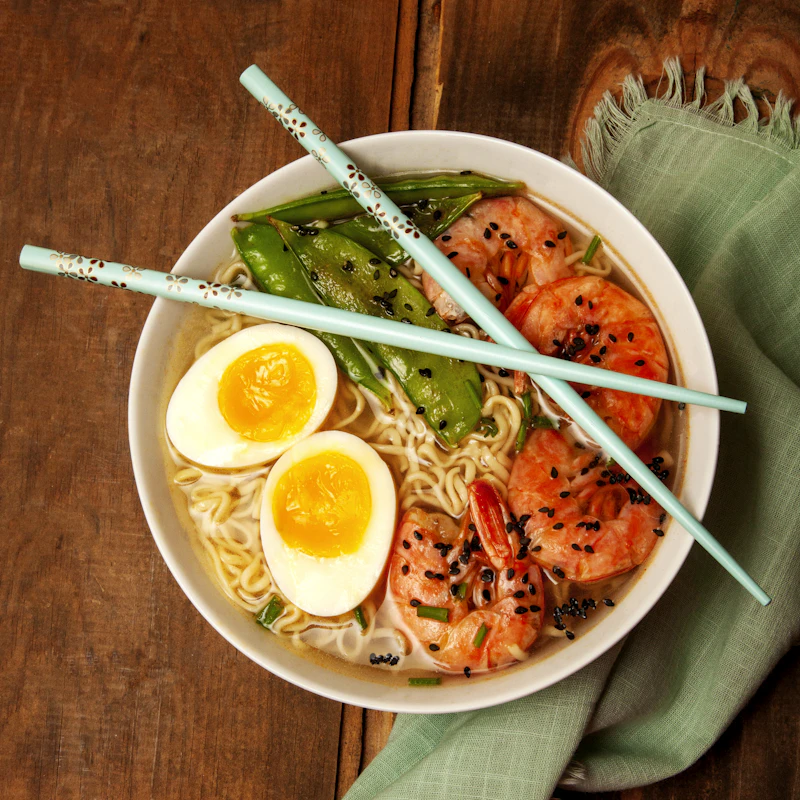
The steam rises, carrying the intoxicating aroma of rich broth, tender noodles, and perfectly cooked toppings. For many, this is the quintessential ramen experience – a comforting hug in a bowl. But what if you crave more than comfort? What if you desire a thrilling dance on your taste buds, a fiery challenge that awakens every sense? Welcome to the electrifying world of spicy ramen in Japan.
As a seasoned traveler and passionate Japanese food expert, I’ve navigated countless ramen shops across the archipelago, from Hokkaido's snowy peaks to Kyushu's volcanic landscapes. And one of the most exciting trends I’ve witnessed is the explosive popularity and nuanced art of spicy ramen. It's no longer just a niche offering; it's a vibrant sub-genre with its own rules, traditions, and an incredible spectrum of heat. This isn't about simply dousing your bowl in chili oil; it's about understanding the delicate balance, the specific chilies, and the cultural context that makes Japanese spicy ramen a truly unique culinary adventure.
Whether you're a cautious beginner looking to add a gentle warmth to your bowl or a seasoned chili-head seeking the legendary "jigoku" (hell) experience, this comprehensive guide will equip you with everything you need to confidently order, savor, and conquer the diverse world of spicy ramen across Japan. Get ready to embark on a flavor journey where the heat is just as important as the umami!
The Fiery Evolution of Japanese Ramen: A Brief History of Heat
While Japan might not immediately spring to mind when thinking of spicy cuisine compared to, say, Thailand or Mexico, the history of chili peppers in Japan is surprisingly long. Introduced by Portuguese traders in the 16th century, chilies (known as togarashi) slowly but surely found their way into Japanese kitchens, primarily as a condiment to add a punch to various dishes. However, it was only much later, particularly in the post-war era and accelerating into the 21st century, that spicy elements truly integrated into ramen as a core flavor profile, rather than just an afterthought.
The initial iterations of spicy ramen often involved simply adding rayu (chili oil) or shichimi togarashi (seven-spice blend) to existing bowls. But as culinary boundaries blurred and global influences seeped into Japan's vibrant food scene, chefs began experimenting. The introduction of Chinese-inspired dishes like Tantanmen (dandan noodles) in the mid-20th century, with its prominent chili and Sichuan peppercorn kick, undeniably paved the way for broader acceptance and innovation in spicy ramen.
Today, spicy ramen is not just an option; it's a category. From regional specialties to chain restaurants, almost every ramen shop offers some form of heat. This evolution reflects a growing adventurousness among Japanese diners and a global appreciation for the complex interplay of flavors that chilies can bring to a deeply savory broth. It's a testament to ramen's incredible adaptability and its continuous reinvention.
Decoding Japanese Spiciness: Your Flavor Lexicon
Before diving into specific dishes, it's crucial to understand the language of heat in Japan. Japanese spiciness isn't always about raw, blistering heat; it's often about aroma, a lingering warmth, or a pleasant prickle that complements the umami.
Key Chili Ingredients & Terms
- Togarashi (唐辛子): This is the generic Japanese term for chili pepper. When you see "kara" (辛) on a menu, it generally refers to spiciness derived from togarashi.
- Ichimi Togarashi (一味唐辛子): Literally "one-flavor chili," this is pure ground red chili pepper. It provides a direct, straightforward heat without much other flavor. Often found on tables as a condiment.
- Shichimi Togarashi (七味唐辛子): Meaning "seven-flavor chili," this is a popular spice blend that typically includes red chili pepper, roasted orange peel, sesame seeds, nori (seaweed), ginger, and sansho (Japanese pepper). It offers a more complex, aromatic heat. Also a common table condiment.
- Rayu (ラー油): Chili oil. This is a common addition to many ramen bowls, providing a fragrant, savory heat. It often contains sesame oil, fried garlic, and other aromatics alongside chili flakes. Some shops make their own specialty rayu.
- Karamiso (辛味噌): Spicy miso paste. Often a dollop of this vibrant red paste is added to a miso-based ramen, allowing the diner to mix in the desired level of heat. It’s a fantastic way to introduce a controlled spiciness that also adds depth of flavor.
- Yuzu Kosho (柚子胡椒): While "kosho" often translates to black pepper, in this context, it refers to green chilies. Yuzu kosho is a fermented paste made from yuzu citrus peel, green chilies, and salt. It provides a unique, fragrant, and tangy heat, often used as a side condiment rather than directly in the broth. Its spiciness is distinct and less about raw power.
- Gochujang (コチュジャン): Though a Korean chili paste, gochujang has found its way into some fusion or modern spicy ramen creations in Japan, particularly in shops that cater to broader Asian tastes. It offers a sweet, savory, and fermented heat.
Understanding Scoville vs. Japanese Heat Perception
Unlike the Scoville scale, which scientifically measures the capsaicin content, Japanese ramen shops often use a more subjective, numerical "level" system (e.g., Level 1-5, or even up to Level 10 or "God of Death" levels).
- Level 1-2 (初級 - Shokyuu/Beginner): A gentle warmth, noticeable but not overwhelming. Perfect for those new to spicy ramen.
- Level 3-4 (中級 - Chuukyuu/Intermediate): A solid kick that you'll definitely feel. Your nose might run a little, but it's still very enjoyable.
- Level 5+ (上級 - Joukyuu/Advanced to 激辛 - Gekikara/Extreme Spicy): This is where things get serious. Expect a significant burn, profuse sweating, and a real challenge. Only for true chili enthusiasts. Some shops even have "Jigoku" (Hell) or "Gokuraku" (Heavenly Pleasure, ironically often meaning ultra-spicy) levels that can be astronomically hot, often requiring a waiver!
It's important to remember that these levels are shop-specific. A "Level 3" at one shop might be hotter or milder than a "Level 3" at another. Always ask if unsure, especially if you have a lower tolerance.
Iconic Spicy Ramen Bowls to Explore
Now that you understand the lexicon, let's explore some of the most popular and celebrated spicy ramen varieties you absolutely must try.
Tantanmen (担々麺): The Sesame-Chili Symphony
Originating from Sichuan, China (known as dandan noodles), Tantanmen has been thoroughly adopted and adapted by Japan. It's arguably the most famous spicy ramen and a fantastic entry point for chili lovers.
- Characteristics: A rich, creamy broth made with nugget of sesame paste and a generous amount of chili oil (rayu), often with a hint of vinegar and soy sauce. It's typically topped with spicy ground pork (minchi), bok choy or spinach, and sometimes a sprinkle of chopped scallions.
- Flavor Profile: The genius of Tantanmen lies in its balance. The nutty sweetness of the sesame perfectly counteracts and complements the pungent heat of the chili, creating a harmonious, complex, and deeply satisfying bowl. It's not just about the burn; it's about a symphony of flavors.
- Variations: You'll find regional variations, like the soupless Shirunashi Tantanmen (汁なし担々麺) in Hiroshima, which is a glorious mix of noodles, sauce, and toppings you toss yourself.
Kara Miso Ramen (辛味噌ラーメン): Umami with a Kick
A beloved style, particularly strong in regions like Hokkaido and Niigata, Kara Miso Ramen takes the already robust and flavorful miso broth and infuses it with a vibrant, warming heat.
- Characteristics: A rich miso-based broth, often pork or chicken bone, seasoned with a blend of miso pastes. The "kara" (spicy) element usually comes from a dollop of karamiso (spicy miso paste) served either on the side or directly on top of the ramen, allowing you to mix it in.
- Flavor Profile: The fermented, earthy, and savory notes of miso provide an incredible foundation for the chili's heat. The spice enhances the umami without overpowering it, creating a deep, warming, and incredibly comforting bowl.
- Toppings: Common toppings include stir-fried vegetables (cabbage, bean sprouts, carrots), slices of chashu pork, and sometimes a pat of butter (especially in Hokkaido).
"Jigoku" Ramen (地獄ラーメン - Hell Ramen): For the Brave
For those who crave the ultimate challenge, "Jigoku" (Hell) Ramen is a literal descriptor. These are bowls designed to test your limits.
- Characteristics: Often a shoyu or miso base, but the dominant characteristic is the sheer volume and intensity of chili. Shops will often advertise their "Hell" levels with ominous imagery and disclaimers. The heat comes from various sources, including super-hot chili powders, potent chili oils, and sometimes fresh chilies.
- Flavor Profile: While some shops manage to maintain a semblance of balance, the primary focus here is on the burn. It's about enduring the heat, pushing your boundaries, and the satisfaction of conquering a truly spicy dish.
- Caution: These levels are genuinely extreme. Be prepared for sweating, tears, and a burning sensation that lingers. It's advisable to start with a lower "Jigoku" level if offered, and always hydrate.
Local & Regional Spicy Specialties
Beyond the widely known types, keep an eye out for regional specialties and creative interpretations:
- Volcano Ramen: Some shops offer ramen where a pile of chili paste and ground meat resembles a volcano, allowing you to "erupt" the spice into your broth.
- Spicy Tonkotsu: Even the creamy, rich tonkotsu broth of Kyushu can get a fiery makeover, often with a special blend of chili paste (called "aka-dama" or red ball) added.
- Tan-men (タンメン) with a kick: While Tan-men is typically a clear, light, salt-based broth with stir-fried vegetables, some shops offer a spicy version, enhancing the freshness of the vegetables with a pleasant heat.
- Curry Ramen: In some regions, notably Muroran in Hokkaido, curry ramen is a thing. While not inherently "spicy" in the chili sense, the curry often brings a warm, aromatic heat that is distinct and delicious.
Mastering Your Order: Communicating Spiciness Like a Pro
Ordering spicy ramen in Japan can be daunting if you don't speak Japanese, but a few key phrases and strategies will make you a pro.
Essential Japanese Phrases for Heat Levels
- "Kono ramen wa karai desu ka?" (このラーメンは辛いですか?): Is this ramen spicy? (Good for initial inquiry).
- "Karasa wa ikaga desu ka?" (辛さはいかがですか?): How spicy is it? (More direct question about the level of spice).
- "Karasa wa dore kurai desu ka?" (辛さはどれくらいですか?): What degree of spiciness is it? (Asking for a general idea).
- "Ichiban karai no wa dore desu ka?" (一番辛いのはどれですか?): Which one is the spiciest? (For the true daredevils).
- "Sukoshi karai no ga hoshii desu." (少し辛いのが欲しいです。): I want it a little spicy. (For a mild kick).
- "Futsuu no karasa de onegaishimasu." (普通の辛さでお願いします。): Medium spiciness, please. (Standard option if available).
- "Karame ni shite kudasai." (辛めにしてください。): Please make it spicier. (To increase the heat from standard).
- "Karasa wa _ (level number) de onegaishimasu." (辛さは _ でお願いします。): Spiciness at level ____, please. (If they use a numbered system).
- "Karasa nuki de onegaishimasu." (辛さ抜きでお願いします。): Please remove the spiciness. (If you want a non-spicy version of a dish that typically has chili). This is useful for Tantanmen if you want just the sesame flavor.
- "Betsu-zara de kudasai." (別皿でください。): Please put it on a separate plate/bowl. (Useful if you want the chili paste on the side to add yourself).
- "Mizu kudasai." (水ください。): Water, please. (Essential for any spicy ramen adventure!)
Navigating Menus and Vending Machines
- Look for Kanji: Keep an eye out for these characters:
- 辛 (kara): Spicy
- 激辛 (gekikara): Extremely spicy
- 大辛 (ookara): Very spicy
- 中辛 (chuukara): Medium spicy
- 小辛 (kokara): Slightly spicy
- 地獄 (jigoku): Hell
- Numbered Systems: Many shops will explicitly list "Level 1," "Level 2," etc., next to their spicy ramen options. If unsure, point and ask "kore, karasa wa dore kurai desu ka?" (This, how spicy is it?).
- Vending Machines (食券機 - shokkenki): If ordering from a vending machine, look for the kanji above. Often, the spicy ramen option will have a distinct red button or be clearly labeled. If it's a Tantanmen, there might be options for "kara-sa up" (辛さアップ) or similar buttons to increase the spice. When in doubt, purchase the regular option and ask a staff member if you can add spice later. Don't be afraid to use a translation app or politely ask for help. A simple "Sumimasen, karai ramen wa dore desu ka?" (Excuse me, which one is the spicy ramen?) can go a long way.
Customizing Your Spice: Adding or Reducing Heat
- On the Side: If you're hesitant, ask for the chili paste or chili oil to be served "betsu-zara de" (on a separate plate). This allows you to slowly add it to your bowl, controlling the heat to your exact preference.
- Table Condiments: Many ramen shops provide ichimi togarashi, shichimi togarashi, or rayu on the table. These are your friends for adjusting the heat upwards. Start with a pinch or a few drops, taste, and add more if desired.
- Nuki (抜き): If you ordered a dish that usually comes with spice (like Tantanmen) but you've had a change of heart or have a very low tolerance, you can try asking for "karasa nuki" (without spiciness). This might not always be possible if the broth itself is pre-made with chili, but it's worth a try.
Beyond the Burn: Enhancing Your Spicy Ramen Experience
Spicy ramen is more than just a challenge; it's a holistic culinary experience. To truly appreciate it, consider these elements.
Perfect Pairings: What to Drink and Eat Alongside
- Cold Water (水 - mizu): Obvious, but essential. Keep it flowing. Most shops provide complimentary iced water.
- Beer (ビール - biiru): A crisp Japanese lager can be a refreshing counterpoint to the heat, offering a slight bitterness that cleanses the palate.
- Ramune or Soda: The effervescence and sweetness can be surprisingly effective in taming a fiery tongue.
- Rice (ご飯 - gohan): A small bowl of plain white rice is an excellent accompaniment. Not only can it soak up some of the extra broth and flavor at the end, but a spoonful of rice can also help temper the heat in your mouth. Some people even prefer to pour their remaining spicy ramen broth over rice – a delicious second course!
- Gyoza (餃子): The savory, often garlicky flavor of pan-fried dumplings provides a different texture and flavor profile that can offer a nice break from the chili.
- Chashu-don (チャーシュー丼): A small bowl of rice topped with tender braised pork belly (chashu) can be a milder, savory side dish that complements the spicy main.
Cooling Down: Tips for Taming the Flames
- Don't Drink Too Fast: While tempting, chugging cold water might offer momentary relief but can also spread the capsaicin around your mouth. Sip steadily.
- Focus on Dairy (If Available): While not commonly offered in ramen shops, dairy products like milk or yogurt contain casein, which helps break down capsaicin. If you're home and experimenting, this is a good tip. In a ramen shop, a side of rice is your best bet.
- Breathe: Sometimes, focusing on your breathing can help you manage the physical sensation of the heat.
- Chew Slowly: Savor the flavors in between the heat. Don't just gulp it down.
Toppings That Complement the Heat
Many standard ramen toppings pair wonderfully with spicy ramen, enhancing the experience:
- Nori (海苔): Sheets of roasted seaweed provide a savory, umami crunch that can offer a gentle relief from the spice.
- Ajitama (味玉): A perfectly soft-boiled, marinated egg. The creamy yolk is fantastic for cutting through the heat.
- Corn (コーン): Often found in miso ramen, the sweetness of corn provides a lovely contrast to the spiciness.
- Butter (バター): Especially popular in Hokkaido miso ramen, a pat of butter adds richness and can mellow out the chili.
- Menma (メンマ): Fermented bamboo shoots offer a tangy crunch that provides a different texture and taste profile.
- Negi (ネギ): Fresh green onions add a crisp, pungent freshness that can lift the heavier, spicier broths.
The Ultimate Challenge: Extreme Spicy Ramen
For the truly intrepid, some ramen shops specialize in mind-numbingly hot bowls. These are not for the faint of heart and often come with warnings, disclaimers, and even specific challenges.
Identifying True "Death" Ramen
- Look for "Jigoku" (地獄), "Shin-Jigoku" (新地獄 - New Hell), "Kagero" (カゲロウ - Heat Haze/Shimmering Heat), "Maho" (魔王 - Demon King), or "Gokuraku" (極楽 - Heavenly Pleasure - ironic, as it means extremely spicy): These are common terms indicating extreme heat.
- Waivers and Photos: Some shops might require you to sign a waiver or take a photo of you attempting the challenge. This is a good indicator that you're about to face something serious.
- Level 10+: Any numbered system reaching double digits or abstract titles (e.g., "God of Death," "Volcano Eruption") signifies a true test of endurance.
Are You Ready? Precautions and Expectations
- Know Your Limits: Seriously. Don't push yourself beyond what's enjoyable. An extreme spicy ramen challenge should be a fun adventure, not a trip to the emergency room.
- Hydrate Pre and Post: Drink plenty of water before you start and continue hydrating afterward.
- Don't Go Alone (Optional): Having a friend witness your triumph (or defeat) can be part of the fun. They can also get help if you truly overdo it.
- Expect the Unexpected: Your nose will run, your eyes might water, you'll sweat profusely, and your lips might tingle for a while. This is all part of the experience.
- Listen to Your Body: If you feel genuinely unwell (stomach cramps, nausea, severe dizziness), stop. It's okay to admit defeat.
Conclusion: Your Fiery Ramen Adventure Awaits!
The world of spicy ramen in Japan is as diverse and exciting as the country itself. From the harmonious balance of Tantanmen to the pure, unadulterated fire of "Jigoku" bowls, there's a heat level and flavor profile to tantalize every palate. It's a journey of discovery, a delicious challenge, and an undeniable highlight of any culinary exploration of Japan.
Armed with this guide, you now possess the knowledge to confidently navigate menus, communicate your preferred heat level, and truly savor the incredible depth of flavor that chili brings to a steaming bowl of ramen. So, go forth, be brave, and ignite your taste buds!
Ready to find your next fiery bowl? Explore our interactive ramen map to locate the best spicy ramen shops near you and embark on your next delicious adventure!