
The Golden Secret: Why Are Your Japanese Ramen Noodles So Irresistibly Yellow?
📅 2026-05-28
lang: en title: The Golden Secret: Why Are Your Japanese Ramen Noodles So Irresistibly Yellow? summary: Dive into the delicious mystery behind Japanese ramen's vibrant yellow noodles. This guide explores the scientific magic of kansui, an alkaline mineral water that transforms wheat flour into chewy, golden strands, and reveals how regional styles across Japan showcase diverse noodle characteristics. seo_title: Japanese Ramen Noodles: The Golden Secret Behind Their Yellow Color & Chewiness seo_description: Unravel the mystery of yellow ramen noodles! Discover the science of kansui, regional variations, and how this secret ingredient gives Japanese ramen its iconic color and irresistible chew. slug: ramen_noodle_yellow_color
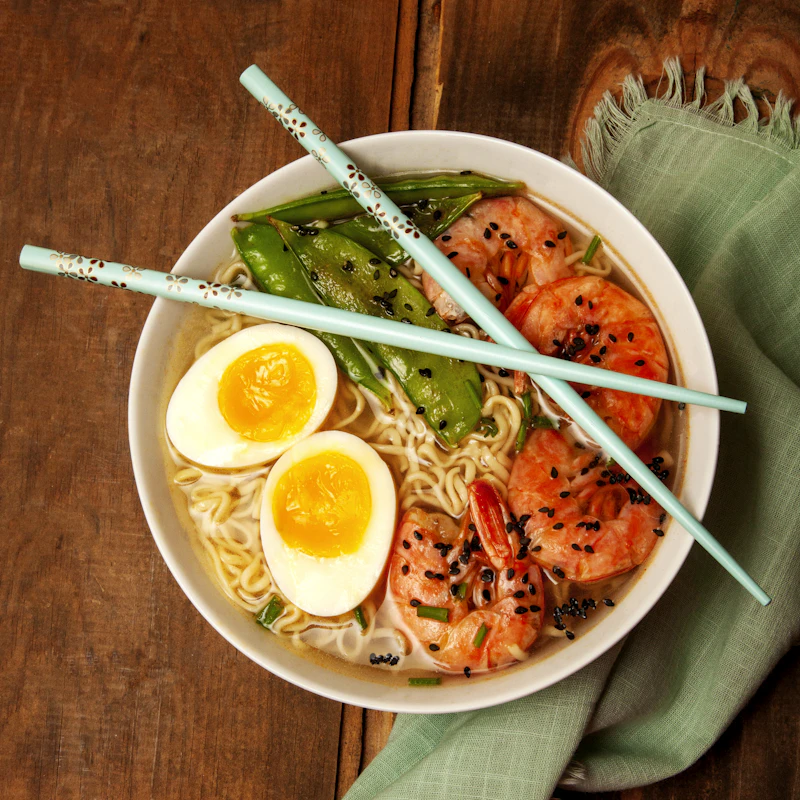
Ah, ramen. Just uttering the word can transport you to a bustling Tokyo alley, the scent of rich broth filling the air, the promise of tender chashu, a perfectly molten egg, and those utterly satisfying, slurpable noodles. But let's pause our culinary daydream for a moment and truly observe those strands. Have you ever noticed that distinct, often vibrant yellow hue that many ramen noodles possess? It's far from arbitrary, not merely a stylistic choice, nor a trick of the light. That glorious golden shade is a testament to a fascinating culinary tradition, a touch of ingenious chemistry, and a fundamental element in ramen’s unique texture and flavor profile.
As someone who has embarked on countless ramen pilgrimages across Japan, from the chilly, miso-rich bowls of Sapporo to the tonkotsu havens of Fukuoka, one question frequently emerged among fellow food adventurers: "Why are some ramen noodles so yellow?" Today, we’re going to unravel this delicious enigma, delving deep into the science, history, and meticulous craftsmanship behind those iconic golden strands. Forget what you thought you knew about conventional pasta; ramen noodles are a world unto themselves, perfected through centuries of refinement.
The Golden Key: Unlocking the Mystery of Yellow Ramen Noodles
The secret to ramen’s signature yellow color and its distinct chewiness lies predominantly in a single, unassuming ingredient: kansui (かん水). This alkaline mineral water, traditionally sourced from specific lakes but now often created through a precise mixture of sodium carbonate and potassium carbonate (sometimes with a touch of sodium bicarbonate or phosphoric acid), is the true alchemist behind the magic.
When kansui is incorporated into wheat flour and water to form ramen dough, it initiates a series of chemical reactions that are crucial for the noodle's character.
1. The Color Transformation: Wheat flour naturally contains flavonoids, pigments that are often pale yellow or off-white. In the presence of alkaline kansui, these flavonoids react and intensify, causing the noodles to take on a more pronounced, vibrant yellow color. Without kansui, ramen noodles would largely remain the muted, pale beige of standard pasta.
2. The Texture Revolution (Koshi): This is where kansui truly shines in crafting the quintessential ramen experience. The alkaline environment strengthens the gluten network within the wheat flour. This strengthened gluten is responsible for ramen noodles’ remarkable elasticity, springiness, and that coveted "koshi" (コシ) – a term describing the firm, chewy bite and resistance you feel when you slurp a perfect strand. It’s what gives ramen noodles their distinctive bounce and prevents them from becoming mushy, even in hot broth. Kansui also affects the gelatinization of starch, contributing to that satisfyingly slick surface.
Beyond Kansui: The Art and Science of Noodle Crafting
While kansui is the cornerstone, the masterful creation of ramen noodles involves much more than just a single ingredient. The type of wheat flour, the hydration level of the dough, the intensity of kneading, and the precise cutting techniques all play vital roles in shaping the final noodle.
Wheat Flour: Ramen chefs often use blends of different wheat flours, varying in protein content, to achieve specific textures. Higher protein flours generally yield chewier, more elastic noodles, while lower protein flours can create softer, more delicate strands.
Hydration: The water content in the dough significantly impacts the noodle’s firmness and how it absorbs broth. Lower hydration doughs result in firmer noodles, while higher hydration yields softer ones.
Kneading and Resting: Meticulous kneading develops the gluten network, and resting periods (known as "curing") allow the gluten to relax and distribute moisture evenly, leading to a more consistent and resilient noodle.
Cutting: The shape and thickness of the noodle are critical. Thin, straight noodles offer a delicate mouthfeel and quick cooking, while thick, wavy noodles provide a heartier bite and excel at clinging to rich broths.
A Noodle Map of Japan: Regional Delights
Japan’s diverse ramen landscape is magnificently reflected in its noodles, with each region boasting characteristics tailored to its local broth traditions. Understanding these variations will deepen your appreciation for every golden bowl.
Hakata Ramen (Fukuoka): Famous for its rich, milky tonkotsu broth, Hakata ramen typically features exceptionally thin, straight noodles with a low hydration level. These noodles cook incredibly fast (often in under a minute) and are designed for quick consumption. Their delicate nature perfectly complements the intense broth without overpowering it. Many shops, like the globally renowned Ichiran or Ippudo, epitomize this style, offering "kae-dama" (extra noodle refills) to keep the slurping going.
Sapporo Ramen (Hokkaido): A complete contrast to Hakata, Sapporo ramen often pairs a hearty miso broth with thick, wavy, incredibly chewy noodles. These robust, often more visibly yellow strands are made with a higher kansui content and higher hydration, designed to stand up to the rich, often buttery miso soup and the colder climate. They provide a satisfying "bounce" and excellent mouthfeel, making each bite substantial. Look for this style at local institutions in Sapporo itself.
Tokyo Shoyu Ramen (Kanto Region): The classic Tokyo style, often a chicken or pork bone broth seasoned with soy sauce (shoyu), frequently uses medium-thick, wavy noodles that strike a balance between chewiness and broth absorption. These noodles are versatile, typically having a noticeable yellow hue and a satisfying spring. Many of Tokyo's historic ramen shops, such as those found in areas like Sugamo or Asakusa, serve ramen with these well-balanced, archetypal golden strands.
Tsukemen (Dipping Ramen): While not strictly a regional style, Tsukemen deserves a special mention for its noodle-centric approach. Here, the broth is served separately for dipping, placing the spotlight squarely on the noodles. Tsukemen often features very thick, super chewy noodles, sometimes whole wheat, with a high kansui content and hydration. Their substantial texture and robust wheat flavor are meant to be savored independently before being dipped into the intensely concentrated broth. Establishments like Tsujita (with its various branches) are celebrated for their exceptional Tsukemen noodles.
The Golden Secret Revealed: An Invitation to Savor
The vibrant yellow of your Japanese ramen noodles is far more than just aesthetics; it's a testament to the transformative power of kansui, a legacy of meticulous craftsmanship, and a key contributor to the noodle’s signature texture and resilience. Next time you lift a spoonful of broth and prepare to slurp those golden strands, take a moment. Appreciate the journey of that noodle – from humble wheat to a resilient, springy, and brightly colored component of one of the world's most beloved dishes. Each yellow strand tells a story of tradition, science, and the relentless pursuit of culinary perfection. So go forth, explore Japan's incredible ramen scene, and truly savor "The Golden Secret" in every irresistible bite.
You might also like
Was this page helpful?
Your feedback helps us improve our guides