
Beyond the Broth: Your Ultimate Guide to the Shin-Yokohama Raumen Museum – A Flavorful Journey!
📅 2026-05-28
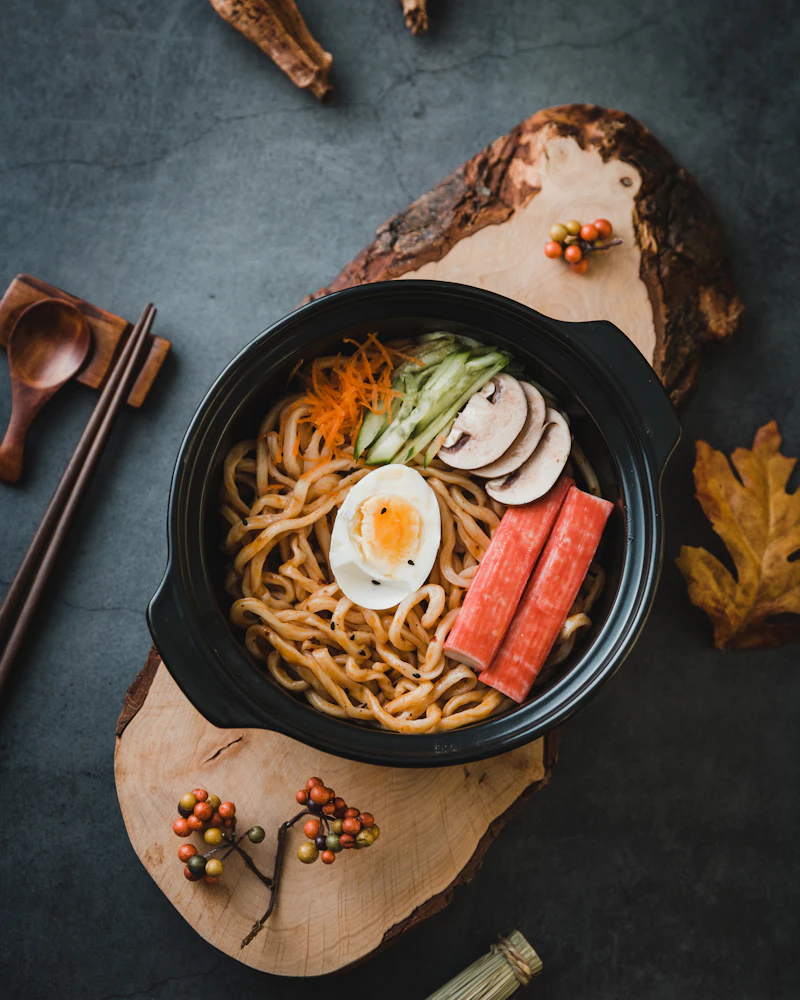
There are few dishes on Earth that evoke such universal comfort, warmth, and sheer culinary delight as a perfect bowl of ramen. From the rich, creamy tonkotsu broth of Kyushu to the hearty, miso-infused goodness of Hokkaido, ramen is more than just noodles and soup; it's a cultural cornerstone, a culinary art form, and for many, a deeply personal obsession. But what if you could not only taste the best regional ramen from across Japan in one place, but also journey back in time to experience the nostalgic ambiance of its golden age? Welcome, my fellow food adventurers, to the Shin-Yokohama Raumen Museum (新横浜ラーメン博物館), an unparalleled destination that transcends the typical museum experience to become a living, breathing, slurping tribute to Japan's most beloved noodle dish.
As a seasoned traveler and passionate Japanese food expert, I’ve scoured the backstreets of Tokyo, the bustling markets of Osaka, and the serene temples of Kyoto in pursuit of the perfect bowl. Yet, nowhere offers such an immersive, educational, and utterly delicious deep dive into the ramen universe quite like this extraordinary establishment. Forget dusty exhibits; imagine stepping into a meticulously recreated streetscape from 1958 Japan, where the aroma of simmering broth fills the air and the calls of ramen masters beckon you to discover your next favorite bowl. This isn't just a place to eat; it's a pilgrimage for any ramen enthusiast, a must-visit for anyone craving an authentic taste of Japan's culinary soul, and an essential stop on your gastronomic itinerary. Prepare your taste buds, loosen your belts, and let's embark on an unforgettable journey into the heart of ramen at the Ramen Museum.
What is the Shin-Yokohama Raumen Museum? A Journey Back in Time
Often misunderstood by its name, the Shin-Yokohama Raumen Museum is not merely a collection of artifacts, but an ingenious food theme park dedicated to the history and evolution of ramen. Located just a short walk from Shin-Yokohama Station, this subterranean wonderland offers a multi-sensory experience that goes far beyond a typical restaurant outing. It’s an imaginative blend of nostalgia, culinary excellence, and cultural immersion, making it a unique attraction in Japan.
Stepping into Showa Era Japan: The Ambiance
The moment you descend into the main exhibition area, you are instantly transported to the Showa Era of 1958, a pivotal period in Japan's post-war economic boom and the burgeoning popularity of ramen. The attention to detail is simply breathtaking. The ceiling is painted to resemble a sunset sky, creating an eternal twilight. Streets are lined with quaint, old-fashioned shopfronts, evoking a bygone era. You'll see vintage signboards, antique street lamps, and even public bathhouses and barbershops, all meticulously recreated to immerse visitors in the atmosphere of mid-20th century Japan. The sounds of period music, the chatter of excited visitors, and the constant hum of ramen being prepared create a vibrant, bustling environment that feels incredibly authentic. It's an Instagrammer's dream and a history buff's delight, offering a fantastic backdrop to your culinary adventure. Every corner holds a charming detail, from retro vending machines to old-school movie posters, making the entire "town" a delight to explore before, after, or in between your bowls of noodles. This isn't just a museum; it's a time machine with delicious side effects.
The Concept: Not Just a Museum, But a Food Theme Park
The core concept of the Ramen Museum is brilliantly simple: to gather a curated selection of some of Japan's most renowned ramen shops, allowing visitors to sample various regional styles without ever leaving Yokohama. But it's also a celebration of the dish's roots and cultural significance. The museum aspect on the first floor provides an educational foundation, detailing the history of ramen from its Chinese origins to its widespread adoption and evolution in Japan. Subsequent floors house the main event: the ramen shops themselves, nestled within the Showa Era streetscape. This dual approach ensures that visitors not only enjoy exceptional food but also gain a deeper appreciation for the rich heritage behind each spoonful. It's a testament to the museum's vision that it consistently attracts both local connoisseurs and international tourists, all eager to embark on this unique culinary expedition. The genius lies in creating an environment where the food becomes intertwined with history and nostalgia, transforming a simple meal into an unforgettable experience.
The Ramen Shops: A Curated Culinary Tour
The true heart of the Shin-Yokohama Raumen Museum lies in its incredible selection of ramen shops. These aren't just any ramen shops; they are carefully chosen establishments, often legendary in their respective regions, brought together under one roof to showcase the incredible diversity of Japanese ramen. This is your chance to embark on a nationwide ramen tour in a single afternoon.
How the Shops Are Chosen: The Best of the Best
The selection process for the ramen shops at the Ramen Museum is rigorous and highly competitive. The museum regularly invites famous, regional ramen establishments from all over Japan to set up satellite branches. This means you’re not getting an imitation; you’re tasting the authentic creations of masters who have perfected their craft over generations. The lineup of shops rotates periodically, ensuring there’s always something new and exciting for repeat visitors. This dynamic selection keeps the museum fresh and continues to attract ramen aficionados eager to discover the latest "it" shop or revisit a beloved classic. Each shop brings its unique culinary heritage, secret recipes, and distinct flavors, offering a genuine taste of Japan’s regional ramen variations. They operate as individual entities, maintaining their original brand identity, commitment to quality, and proprietary recipes, guaranteeing an authentic experience for every customer.
A Taste of Japan's Regional Ramen Varieties
The beauty of the Shin-Yokohama Raumen Museum is the opportunity to sample a wide array of regional ramen styles, each with its own distinct characteristics. Here are some of the iconic varieties you might encounter:
- Hakata Tonkotsu Ramen (Fukuoka): Famous for its rich, cloudy, pork-bone broth slow-simmered for hours until it achieves a creamy consistency. Often served with thin, straight noodles, sliced pork (chashu), pickled ginger, and green onions. Many shops offer kaedama (noodle refills).
- Sapporo Miso Ramen (Hokkaido): A hearty and robust ramen, perfect for Hokkaido's cold climate. The broth is typically a rich chicken or pork base infused with miso paste, often stir-fried with vegetables like bean sprouts and onions, and topped with corn and a pat of butter.
- Kitakata Ramen (Fukushima): Characterized by its flat, wavy, hand-kneaded noodles, often served in a clear, light shoyu (soy sauce) or shio (salt) broth, usually pork-based. It's known for its simplicity and the delightful texture of its noodles.
- Tokyo Shoyu Ramen: The classic "old-school" Tokyo style, featuring a clear, dark brown broth made from chicken or pork bones and flavored with soy sauce. It's often lighter than tonkotsu but deeply flavorful, typically served with thin, curly noodles, nori (seaweed), menma (bamboo shoots), and chashu.
- Kumamoto Ramen: While also pork-based like Hakata tonkotsu, Kumamoto ramen distinguishes itself with the addition of mayu (black garlic oil) and sometimes fried garlic chips, giving it a distinctive smoky and aromatic flavor.
- Asahikawa Shoyu Ramen (Hokkaido): Another Hokkaido specialty, this ramen often features a layer of oil on top of a soy sauce-based broth, which helps keep the ramen hot in the cold climate. It often uses a blend of pork, chicken, and seafood stock.
- Wakayama Ramen: Known for its rich, shoyu-tonkotsu broth – a delicious blend of soy sauce and pork bone stock. It often uses medium-thin, straight noodles and is topped simply with chashu, menma, and green onions.
Each shop prides itself on its unique interpretation of these styles, often with secret ingredients and proprietary techniques that make their ramen truly special. The experience of moving from one shop to another, comparing broths, noodle textures, and toppings, is what makes the Ramen Museum such a fulfilling culinary journey.
Navigating the Menus: Ordering Like a Pro
Ordering at the Ramen Museum shops is an authentic Japanese experience in itself, primarily done via ticket vending machines located at the entrance of each shop. Don't be intimidated; it's quite straightforward once you know the drill:
- Select Your Ramen: Most machines will have pictures, and many now offer English translations. Look for the "regular" size or specific ramen names (e.g., "Tonkotsu Ramen").
- Add Toppings: You'll likely see options for extra chashu (pork slices), ajitamago (marinated soft-boiled egg), nori (seaweed), or menma (bamboo shoots).
- Insert Money: The machines accept Japanese yen.
- Receive Tickets: The machine will dispense your meal ticket(s) and change.
- Hand Over Tickets: Present your tickets to the staff as you enter the shop or when prompted. They will take your order and guide you to a seat.
A crucial tip for the Ramen Museum: almost all shops offer "mini" or "half" size ramen bowls. This is an absolute godsend for those who want to sample multiple styles without getting uncomfortably full. I highly recommend starting with mini bowls, especially if you plan to visit two or more shops. This allows you to truly appreciate the nuanced differences between regional broths and noodle textures without feeling overwhelmed. Don't be shy about asking for recommendations, and remember, a loud slurp is a sign of enjoyment in Japan!
Beyond the Bowl: More to Explore at the Ramen Museum
While the array of incredible ramen shops is undoubtedly the main draw, the Shin-Yokohama Raumen Museum offers much more to engage and educate visitors, making it a truly comprehensive experience. It’s designed to be a full-day excursion for the avid food lover.
The Museum Gallery: History and Evolution of Ramen
Before you descend into the Showa-era streetscape, take some time to explore the official museum gallery located on the ground floor. This section provides a fascinating educational journey into the origins and development of ramen. You’ll learn about:
- Ramen's Chinese Roots: How the dish first arrived in Japan.
- Post-War Innovation: The period where ramen truly began to take shape as a distinct Japanese culinary art.
- The Invention of Instant Ramen: A deep dive into Momofuku Ando's revolutionary creation and its global impact.
- Noodle Making: Exhibits detailing the different types of noodles (flour, water, kansui) and their regional variations.
- Broth Bases: The science and artistry behind various dashi (stock) and tare (seasoning) components that define each ramen style.
- Iconic Ramen Bowls: A display of historical ramen bowls and utensils.
This gallery enriches your understanding and appreciation for the bowls you are about to enjoy, offering context to the rich tapestry of flavors downstairs. It's a great place to start your visit, providing a solid foundation before your culinary exploration begins. Informative displays, often with English explanations, make the history accessible to international guests.
Souvenirs and Specialty Products: Take the Flavor Home
No visit to a Japanese attraction is complete without a stop at the gift shop, and the Ramen Museum certainly delivers. The souvenir shop offers an incredible selection of ramen-related merchandise, allowing you to bring a piece of your delicious experience home. You'll find:
- Instant Ramen Kits: High-quality, often regional, instant ramen versions from the shops featured in the museum, as well as unique limited editions.
- Ramen Utensils: Chopsticks, ceramic bowls, and special ramen spoons.
- Ramen Toppings: Specialty menma, nori, or even mayu (black garlic oil) to enhance your home-cooked ramen.
- Regional Specialties: Japanese snacks and sweets from various prefectures.
- Museum-Exclusive Goods: T-shirts, keychains, and other memorabilia featuring the museum's charming retro aesthetic.
This is the perfect place to pick up unique gifts for fellow foodies or to stock your own pantry with authentic Japanese flavors. You might even find ingredients or ready-to-cook packs from shops that are no longer operating within the museum's rotating lineup, offering a taste of past favorites.
Mini Ramen Challenge: Why Smaller Portions Are Key
As mentioned earlier, the concept of "mini" or "half" sized ramen bowls is a godsend, and it's practically a challenge to see how many different bowls you can (responsibly) sample! Most shops offer these smaller portions, making it feasible to try 2-3, or even 4, distinct styles during a single visit. This is the ultimate strategy for experiencing the true diversity of Japanese ramen within the museum.
Imagine starting with a rich Hakata Tonkotsu, then moving on to a savory Sapporo Miso, and finishing with a lighter Tokyo Shoyu. Each bowl offers a unique sensory experience, from the viscosity of the broth to the chewiness of the noodles and the tenderness of the toppings. The mini bowls prevent "ramen fatigue" and ensure that each new flavor profile can be fully appreciated. Embrace the mini ramen challenge – it's the best way to maximize your culinary exploration at the Ramen Museum and discover your new favorite regional style without feeling overly stuffed. Don't be afraid to experiment; this is your chance to try something truly unique that you might not find elsewhere.
Practical Tips for Your Visit to the Ramen Museum
To ensure your visit to the Shin-Yokohama Raumen Museum is as smooth and delicious as possible, here are some essential tips from a seasoned traveler and ramen enthusiast. Planning ahead will greatly enhance your overall experience.
Getting There: Access and Location
The Shin-Yokohama Raumen Museum is conveniently located in Yokohama, making it easily accessible from Tokyo and other major cities.
- By Train: The museum is about a 5-minute walk from Shin-Yokohama Station (新横浜駅). Shin-Yokohama Station is a major hub for the Tokaido Shinkansen (bullet train), making it incredibly easy to reach if you're traveling on a Japan Rail Pass or simply using the Shinkansen. It's also accessible via the Yokohama Municipal Subway Blue Line and the JR Yokohama Line.
- From Tokyo: Take the Tokaido Shinkansen from Tokyo Station or Shinagawa Station to Shin-Yokohama Station. Alternatively, you can take the JR Yokohama Line directly from stations like Hachioji. If using a local train from central Tokyo, expect it to take a bit longer (e.g., about 45-60 minutes from Shibuya or Shinjuku with transfers).
- Address: 2-14-21 Shinyokohama, Kohoku-ku, Yokohama, Kanagawa Prefecture, 222-0033 Japan.
The walk from Shin-Yokohama Station is well-signposted and straightforward, so you shouldn't have any trouble finding it.
Best Time to Visit: Avoiding Crowds
Like any popular attraction in Japan, the Ramen Museum can get quite busy, especially on weekends and national holidays. To enjoy a more relaxed experience and minimize wait times at the popular ramen shops:
- Weekdays: Aim for a weekday visit, particularly Tuesday through Thursday.
- Opening Hours: Arrive shortly after opening (11:00 AM) or later in the afternoon (after 3:00 PM) to avoid the lunch rush.
- Evenings: Weekday evenings can also be less crowded, offering a cozy ambiance as the "Showa town" lights up.
- Avoid Holidays: Japanese national holidays and Golden Week (late April/early May) should be avoided if possible, as the museum will be packed.
Even during peak times, the museum's layout and the efficiency of Japanese service usually keep things moving, but a less crowded visit will allow you to savor the atmosphere and your ramen without feeling rushed.
Admission Fees and Opening Hours
Before you plan your journey, it's wise to check the current admission fees and operating hours, as these can occasionally change.
- Admission Fee: There is an entrance fee to the museum, which grants you access to the entire facility, including the Showa-era streetscape and the museum gallery. Ramen bowls are purchased separately at each shop.
- Adults: Typically around 380 yen.
- Children (6-12 years old) & Seniors (60+): Discounted rates (e.g., 100 yen).
- Children under 6: Free.
- There are also options for annual passes if you plan multiple visits.
- Opening Hours: The museum generally opens at 11:00 AM. Closing times vary depending on the day and season but are typically between 9:00 PM and 10:00 PM (last admission usually 30-60 minutes before closing).
- Holiday Closures: The museum is usually open year-round but may have occasional maintenance closures or special holiday hours, so always check their official website before your visit for the most up-to-date information.
Having these details handy will help you budget your time and money effectively, ensuring a seamless entry and an enjoyable exploration of the ramen paradise.
Maximizing Your Experience: Plan Your Ramen Hopping
To truly get the most out of your visit to the Shin-Yokohama Raumen Museum, a little strategic planning goes a long way.
- Arrive Hungry (but not starving): You want enough appetite to enjoy multiple bowls, but not so much that you rush the experience.
- Start with the Museum Gallery: Begin on the ground floor to gain historical context, then proceed downstairs to the ramen shops.
- Choose Your Ramen Path: Before you commit, take a stroll through the entire underground area. Look at the menus (often with pictures and English), check out the queues, and decide which regional styles most appeal to you. Don't be afraid to read online reviews beforehand to target specific shops.
- Embrace Mini Portions: As emphasized, this is key! Order mini ramen at your first one or two shops. This allows you to sample 2-3 different styles without feeling too full.
- Pace Yourself: Take breaks between bowls. Explore the retro shops, snap photos, or just soak in the atmosphere. There's no rush.
- Try Different Toppings: If you're having multiple bowls, consider adding different toppings to each to vary the experience (e.g., an egg in one, extra chashu in another).
- Hydrate: Drink plenty of water (available at each shop) to cleanse your palate.
- Don't Forget Dessert: Some shops or stalls might offer small desserts or snacks that fit the retro theme, like old-fashioned ice cream or local sweets.
By following these tips, you'll transform your visit from a simple meal into an unforgettable culinary and cultural adventure, ensuring you leave with both a full stomach and a deeper appreciation for the incredible world of Japanese ramen.
The Ultimate Ramen Pilgrimage Awaits!
The Shin-Yokohama Raumen Museum is far more than just a place to eat ramen; it's a meticulously crafted portal to Japan's culinary past, a vibrant celebration of its noodle culture, and a truly unique food theme park that ignites all your senses. From the moment you step into its enchanting Showa-era streets, you'll be captivated by the nostalgic ambiance, educated by the rich history, and utterly delighted by the incredible diversity of flavors on offer. Whether you're a seasoned ramen connoisseur or a curious first-timer, this museum offers an unparalleled opportunity to explore the depths of this beloved dish, sampling regional specialties and gaining a profound appreciation for the artistry behind each steaming bowl. It’s an essential experience for any food lover visiting Japan, an educational journey disguised as an utterly delicious adventure.
So, if you find yourself in Japan, with a rumbling stomach and a craving for something truly special, make the pilgrimage to the Shin-Yokohama Raumen Museum. Immerse yourself in the history, savor the diverse flavors, and leave with unforgettable memories (and perhaps a few souvenir instant ramen packs!). Your ultimate ramen adventure awaits!
Ready to continue your ramen quest beyond the museum? Explore our interactive map to discover even more incredible ramen shops near you and across Japan!