
The Ultimate Guide to Late-Night Ramen in Japan
📅 2026-04-14
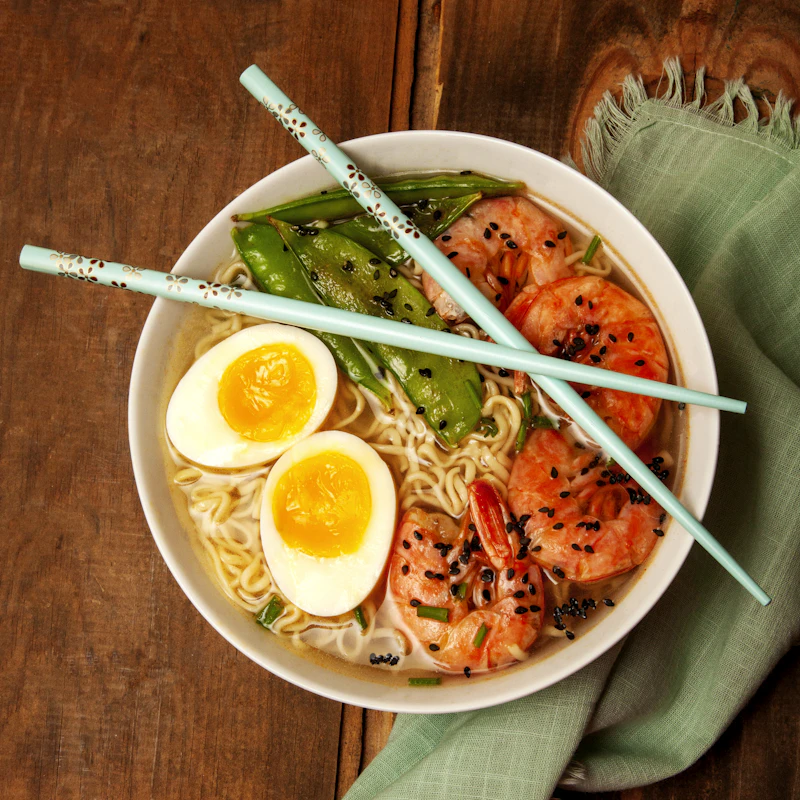
Introduction: The Irresistible Allure of Japan's Midnight Bowls
Imagine the vibrant pulse of Tokyo or Osaka winding down, neon lights reflecting on rain-slicked streets, salarymen loosening their ties, and the air growing crisp. As the city slumbers, a different kind of magic awakens in Japan’s culinary landscape: the world of late-night ramen. This isn't just about satisfying a hunger pang; it's a profound cultural ritual, a comforting embrace after a long day, a shared moment of solace, and for many, the perfect capstone to a night out. As a ramen expert and a travel writer who has slurped countless bowls across Japan, I can attest that experiencing late-night ramen is not just eating—it’s diving headfirst into the heart of Japanese urban life, a truly unforgettable gastronomic adventure. Join me as we explore why these midnight bowls hold such a special place in the Japanese psyche and how you can best enjoy them.
The Heartbeat of the City: Why Late-Night Ramen Reigns Supreme
To truly understand late-night ramen, one must appreciate the rhythm of Japanese society. Long working hours are common, and the tradition of nomikai (drinking parties with colleagues or friends) is deeply embedded in the social fabric. These gatherings often extend well into the night, leaving participants seeking something warm, restorative, and utterly delicious before heading home. This is where late-night ramen steps in, fulfilling a universal human need for comfort and sustenance.
It’s more than just convenience; it’s a cultural phenomenon. The steam rising from a rich broth, the perfect springiness of the noodles, the savory toppings—it's a symphony for the senses that revitalizes the body and soul. For many, it's a moment of quiet reflection, a chance to unwind and reset before facing another day. For others, it’s a lively social hub, a place to continue conversations or simply observe the diverse tapestry of life unfolding around them.
A Deep Dive into the Midnight Menu: What to Expect
While almost any ramen style can be found late at night, certain types have become synonymous with the late-night ramen experience due to their comforting nature and widespread appeal.
- Tonkotsu (Pork Bone Broth): Perhaps the most iconic late-night ramen choice, particularly popular in Kyushu and now beloved nationwide. Its rich, milky, collagen-rich broth, simmered for hours (sometimes days), is incredibly satisfying. Often served with thin, straight noodles, chashu pork, green onions, and sometimes pickled ginger or sesame seeds. It's the ultimate comfort food after a few drinks.
- Shoyu (Soy Sauce Broth): A classic and versatile option, shoyu ramen typically features a clear, brown broth made from chicken or pork bones and flavored primarily with soy sauce. It can range from light and delicate to robust and savory, offering a familiar warmth that hits just right.
- Miso (Soybean Paste Broth): Originating from Hokkaido, miso ramen boasts a hearty, often slightly sweet and nutty flavor profile. The broth is typically rich and thick, perfect for colder nights or when you need something substantial. It often comes topped with corn, butter, and stir-fried vegetables, making it a truly fortifying meal.
- Shio (Salt Broth): For those seeking a lighter, cleaner option, shio ramen provides a delicate, translucent broth seasoned primarily with salt. It allows the natural flavors of the dashi (broth base) to shine through and can be surprisingly complex despite its apparent simplicity.
Many shops will specialize in one or two of these types, perfecting their craft over years, sometimes even generations. Each bowl tells a story, a testament to the dedication of its chef.
The Atmosphere: More Than Just a Meal
The ambiance of a late-night ramen shop is an integral part of the experience. These establishments are often small, intimate spaces, sometimes just a counter (or kaunta-seki) overlooking the kitchen, fostering a sense of connection between diner and chef.
You'll find a diverse crowd: * Salarymen and OLs (Office Ladies): Often in groups, unwinding after work or nomikai. * Service Industry Workers: Grabbing a bite after their own shifts end. * Students: Fueling late-night study sessions or celebrating. * Couples and Friends: Enjoying a casual, comforting meal together. * Solo Diners: A common and perfectly acceptable way to enjoy a quiet bowl, often lost in thought or absorbed in their phone.
The air is thick with the inviting aroma of simmering broth, the rhythmic clatter of bowls, and the satisfying slurp of noodles. It’s a microcosm of urban life, bustling yet strangely serene, a place where everyone is united by the shared love of ramen.
Navigating the Late-Night Ramen Scene: Your Practical Guide
Finding and ordering late-night ramen is generally straightforward, but a few tips can enhance your experience:
1. How to Find Them
- Look for the Lanterns and Noren: Traditional red lanterns (aka-chōchin) and fabric shop curtains (noren) are classic indicators.
- Follow the Scent: The inviting aroma of ramen broth is often a reliable guide.
- Queue Up: A queue, even a short one, at a small establishment usually signifies quality.
- Online Maps & Reviews: Use apps like Google Maps or Tabelog (Japan’s Yelp equivalent) to search for "ramen" and filter by opening hours.
2. Opening Hours
Late-night ramen shops typically open in the evening and remain open well past midnight. Common hours are: * Evenings until 2:00 AM - 4:00 AM: This is the most prevalent range. * 24-Hour Shops: Less common but exist, especially in major transportation hubs. * Early Morning (Breakfast Ramen): Some shops cater to the morning crowd, opening at 5:00 AM or 6:00 AM, especially near fish markets or wholesale districts.
3. The Ordering Process: Vending Machines vs. Direct
Many late-night ramen establishments use a ticket vending machine (shokkenki) system. 1. Insert Money: Put your cash into the machine. 2. Select Your Order: Choose your ramen (often identified by pictures), desired toppings, and any sides like gyoza or beer. 3. Receive Tickets: The machine dispenses your order tickets and change. 4. Hand Tickets to Staff: Find a seat at the counter and hand your tickets to the chef or server. 5. Customization (Optional): If prompted, you might be asked about noodle firmness (katame for firm, futsu for regular, yawarakame for soft), broth richness, or amount of oil. Don't worry if you don't speak Japanese; a simple "futsu" (normal) is usually fine.
In smaller, more traditional places, you might order directly from the staff, often pointing at menu items if language is a barrier.
4. Etiquette at the Counter
- Slurp Away! Slurping your noodles is not only acceptable but often seen as a sign of enjoyment and appreciation for the chef’s hard work. It also helps to cool the noodles as you eat.
- Eat Promptly: Especially in busy shops, don't linger too long after finishing your meal. Make space for the next hungry customer.
- Don't Waste Broth: While you don't have to drink every last drop, finishing the broth is a sign of respect, as it's the foundation of the ramen.
- Mind Your Belongings: Small hooks under the counter or baskets beside your seat are often provided for bags and jackets.
Beyond the Bowl: Perfect Pairings and Sides
While ramen is the star, the late-night ramen experience often includes delightful supporting acts:
- Gyoza (Potstickers): Crispy on the bottom, juicy on the inside, these pan-fried dumplings are a classic ramen companion.
- Chahan (Fried Rice): A simple yet satisfying side, often made fresh to order.
- Karaage (Fried Chicken): Japanese-style fried chicken, tender and flavorful, provides a delicious crunch.
- Beer or Chuhai: A cold beer (nama-biru) or a refreshing chuhai (shochu highball) perfectly complements the richness of the ramen, especially after a long day.
| Ramen Type | Broth Base | Key Characteristics | Common Toppings | Best For |
|---|---|---|---|---|
| Tonkotsu | Pork bones (long-simmered) | Rich, milky, thick, savory | Chashu, green onion, kikurage, pickled ginger | Deep comfort, post-drink, hearty meal |
| Shoyu | Soy sauce, dashi, chicken/pork | Clear, umami-rich, balanced, versatile | Chashu, narutomaki, menma, nori | Everyday comfort, reliable choice |
| Miso | Miso paste, dashi, chicken/pork | Earthy, robust, often slightly sweet, hearty | Chashu, corn, butter, stir-fried vegetables | Colder nights, substantial meal |
| Shio | Salt, dashi, chicken/pork | Light, clear, delicate, clean flavor | Chashu, egg, seafood, mitsuba | Lighter option, appreciate broth purity |
Conclusion: Embrace the Midnight Noodle Ritual
The world of late-night ramen in Japan is more than just a culinary tradition; it's a testament to the country's unique blend of tireless work ethic, social camaraderie, and an unwavering commitment to delicious food. It’s a haven where the stresses of the day melt away with each slurp, a place where simple ingredients transform into an extraordinary experience. Whether you're a seasoned ramen aficionado or a curious first-timer, diving into Japan's midnight food culture via a steaming bowl of noodles is an essential journey for any traveler. So, the next time you find yourself wandering Japan's illuminated streets after dark, let the irresistible aroma guide you. Step into a small, bustling shop, take a seat at the counter, and discover the profound satisfaction of late-night ramen.
Ready to embark on your own late-night ramen adventure? Be sure to check our interactive map for top-rated late-night ramen spots across Japan, complete with hours and specialties!
You might also like
Was this page helpful?
Your feedback helps us improve our guides