
Beyond the Broth: Unveiling the Unique Heavy Ramen Culture of Kyoto
📅 2026-05-28
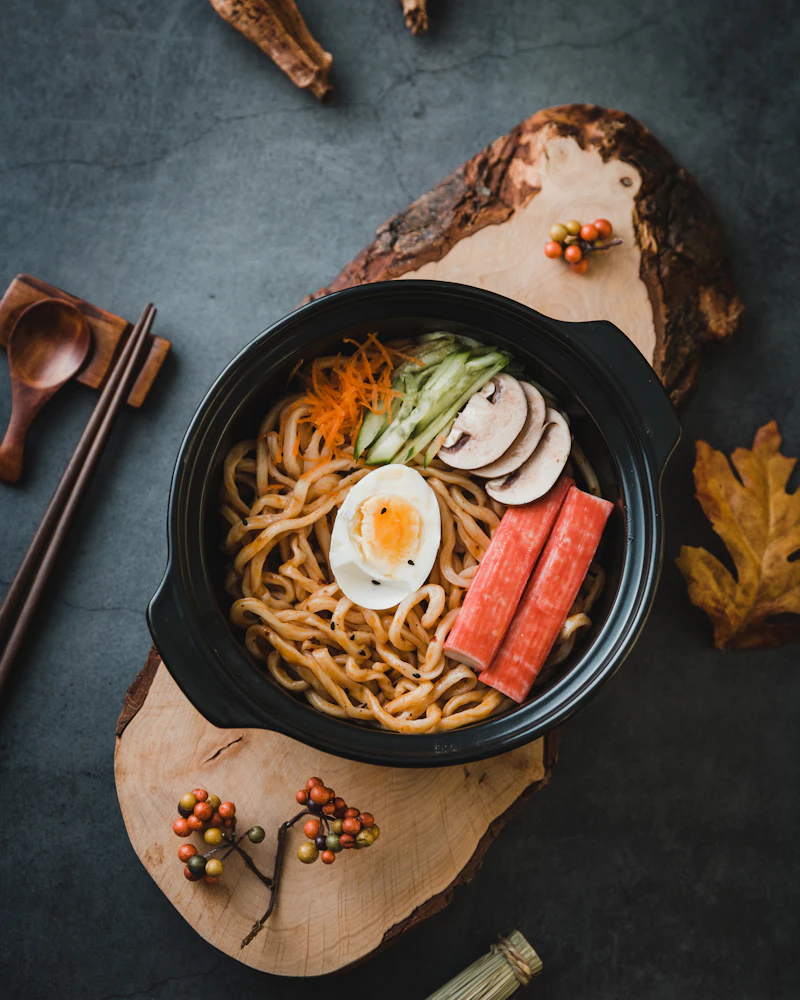
Kyoto. The very name evokes images of ancient temples, serene gardens, geisha gracefully gliding through Gion, and the delicate artistry of kaiseki cuisine. It’s a city synonymous with refinement, tradition, and a certain ethereal beauty. Yet, beneath this veneer of delicate elegance lies a culinary secret that is as robust and unapologetic as it is utterly delicious: Kyoto ramen. Forget the light, clear broths or the delicate flavors you might associate with traditional Kyoto fare. We're here to talk about a different kind of magic – a deeply satisfying, intensely flavorful, and often unapologetically heavy broth culture that is uniquely Kyoto's own.
If you’ve only ever tasted ramen in its lighter forms, prepare for a revelation. Kyoto's ramen scene is a universe apart, a testament to the city's ability to take a culinary concept and imbue it with its own distinctive character. This isn't just about a meal; it's an experience, a plunge into a comforting bowl of warmth and umami that will leave you both satiated and yearning for more. As a seasoned travel blogger and Japanese food expert, I've crisscrossed Japan seeking out the soul of its regional dishes, and Kyoto's ramen holds a special place in my heart – and my stomach! Join me as we unravel the rich, complex layers of Kyoto ramen, exploring its history, signature styles, and why its heavy broth culture is an essential part of your culinary journey.
The Soul of Kyoto Ramen: A Broth Unlike Any Other
When we talk about "heavy broth" in the context of Kyoto ramen, we’re describing a spectrum of rich, deeply flavorful liquid foundations that are often milky, viscous, and incredibly potent. Unlike the clear, delicate dashi-based broths found in many traditional Kyoto dishes, ramen here embraces density. This isn't just about adding fat; it's about the exhaustive extraction of flavor from pork bones (tonkotsu), chicken bones (tori paitan), or a complex medley of both, often simmered for hours, sometimes even days, until the broth achieves a luxurious emulsification and an almost stew-like consistency.
The term Kotteri (こってり), meaning "rich" or "heavy," is frequently used to describe these broths, and it’s a defining characteristic. This richness comes from the meticulous rendering of collagen and fat, creating a broth that coats the noodles beautifully and leaves a lingering, satisfying warmth. While other regions might feature thick broths, Kyoto's heavy offerings often strike a unique balance – a profound depth of flavor that avoids being overly greasy, focusing instead on a harmonious, creamy mouthfeel. This distinctive character often surprises first-time visitors who expect a more "refined" taste from Kyoto. It's a bold departure that truly showcases the city's diverse culinary landscape. The secret lies in the masterful technique of emulsification, where fats and water are blended into a stable, velvety liquid, resulting in a broth that is opaque, deeply flavorful, and intensely satisfying.
Tracing the Rich Roots: The History of Kyoto's Ramen Culture
The emergence of Kyoto ramen as we know it today is deeply intertwined with post-war Japan's culinary evolution. While ramen's origins can be traced back to Chinese noodle dishes, its transformation into a Japanese staple, with distinct regional variations, took shape primarily in the mid-20th century. In Kyoto, the development of its unique heavy broth style was, in part, a response to the need for hearty, affordable, and incredibly filling meals in the decades following World War II.
Early ramen shops in Kyoto, often humble street stalls or small establishments, began experimenting with richer broths. Pork and chicken bones, often more readily available and economical, were simmered for extended periods, yielding a dense, nourishing broth that provided sustained energy. This focus on "filling power" naturally led to the development of the Kotteri style, a robust and calorically dense meal perfectly suited for the working class and students.
Iconic chains and legendary independent shops, many of which are still thriving today, laid the groundwork for Kyoto's ramen identity. Shops like Tenkaippin (天下一品), famous for its intensely thick "Kotteri" broth that's almost a stew, and Masutani (ますたに), known for its backfat-laden shoyu ramen, pioneered these heavy styles and cemented Kyoto's reputation as a ramen powerhouse. These establishments didn't just serve food; they created culinary landmarks, deeply embedding their unique flavors into the city's gastronomic fabric. The dedication to long simmering times and the ingenious use of various animal parts to maximize flavor extraction became the hallmark of Kyoto's ramen masters, passed down through generations.
Decoding Kyoto's Signature Styles: Beyond Just "Heavy"
While "heavy broth" is the overarching theme, Kyoto ramen isn't a monolith. Within this robust category, several distinct styles have emerged, each offering a unique take on richness and flavor. Exploring these variations is key to truly appreciating the depth of Kyoto's ramen culture.
Kotteri Shoyu (Heavy Soy Sauce)
This is perhaps the most iconic representation of Kyoto ramen's heavy broth culture. It typically features a rich, opaque broth made from a base of pork and/or chicken bones, meticulously simmered to create a thick, creamy consistency. The addition of shoyu (soy sauce) gives it a savory depth, but it's the intense, milky texture from the emulsified collagen and fat that truly defines it. It's less about a distinct soy sauce flavor and more about a profoundly savory, unctuous experience. Think of Tenkaippin's legendary "Kotteri" broth, which is so thick it practically clings to the noodles. This style is incredibly filling and deeply comforting, offering an almost soup-stew hybrid that is utterly unique. Many shops guard their broth recipes fiercely, with some boasting secret ingredients or unique simmering processes that contribute to their distinct Kotteri profiles.
Seabura Shoyu (Backfat Soy Sauce)
A different kind of heavy, the Seabura Shoyu style features a base of often relatively lighter (though still flavorful) pork or chicken bone broth infused with soy sauce, which is then generously topped with seabura – finely diced or melted pork backfat. The backfat isn't just for texture; it melts into the hot broth, imparting a rich, sweet umami and a glossy sheen. While the underlying broth might not be as thick as a pure Kotteri, the seabura adds a decadent layer of richness that makes it undeniably "heavy" in its own right. Shops like Ramen no Takayasu (ラーメンたかやす) and the aforementioned Masutani are famous for this delectable style, offering a beautiful interplay between the savory broth and the luxurious fatty globules. The visual appeal of the glistening backfat on top is as enticing as its taste.
Tori Paitan (Chicken White Broth)
While less overtly "heavy" in fat content than some pork-based broths, Tori Paitan offers a different kind of richness. This broth is made by vigorously simmering chicken bones and sometimes other chicken parts for many hours, breaking down the collagen and emulsifying the fats into a milky-white, opaque, and incredibly flavorful soup. It shares a similar creamy consistency with tonkotsu but with a distinct chicken-forward flavor that is robust and deeply savory. Kyoto has several excellent Tori Paitan specialists, showcasing that "heavy" can also mean deeply concentrated and velvety, rather than solely fatty. This style appeals to those who seek a profound umami experience with a slightly different flavor profile than pork-based broths, yet still crave that luxurious mouthfeel.
Shoyu Ramen with a Kyoto Twist
Even shops serving what they simply call "Shoyu Ramen" in Kyoto often have a distinct heaviness. Their shoyu broth, while soy sauce-based, is typically built upon a more substantial foundation of pork and chicken bones, or a richer dashi, than what you might find in, say, a Tokyo-style shoyu. This results in a broth that is darker, deeper in color, and possesses a more robust body, offering a profound umami without necessarily being overtly creamy or fatty. It’s a subtle yet significant difference that elevates the humble shoyu ramen to a heartier, more satisfying experience unique to Kyoto. Many traditional Chuka Soba (Chinese noodles) shops in Kyoto also adhere to this richer shoyu tradition.
The Perfect Accompaniments: Noodles, Toppings, and Side Dishes
A magnificent broth needs equally compelling partners, and Kyoto ramen delivers with its thoughtfully chosen noodles, classic toppings, and beloved side dishes. These elements combine to create a harmonious and deeply satisfying bowl.
Noodles
For Kyoto's heavy broths, the choice of noodle is crucial. You'll typically find: * Medium-thick, slightly wavy noodles: These are common as their texture allows them to effectively absorb the rich, thick broths, ensuring every bite is infused with flavor. The slight wave also helps them cling better to the viscous soup. * Straight, medium-thin noodles: Some shops, especially those with a slightly less viscous broth or aiming for a quicker slurp, might opt for these. They offer a good counterpoint to the richness, providing a satisfying chew. Regardless of thickness, Kyoto ramen noodles are typically made with a good chew (al dente) to stand up to the powerful broth.
Classic Toppings
The toppings in Kyoto ramen are often straightforward but high-quality, allowing the broth to remain the star: * Chashu (チャーシュー): Slices of slow-braised pork belly or loin, melt-in-your-mouth tender, offering a savory, fatty counterpoint to the broth. Many shops take immense pride in their house-made chashu. * Kujo Negi (九条ネギ): A local specialty of Kyoto, this long green onion is celebrated for its mild sweetness and beautiful vibrant color. A generous sprinkling of thinly sliced Kujo negi adds a refreshing bite and aromatic complexity. It's often piled high, a visual signature of Kyoto ramen. * Menma (メンマ): Fermented bamboo shoots, providing a slight crunch and an earthy, tangy flavor that cuts through the richness. * Narutomaki (なると巻き): The iconic white and pink swirl fish cake, primarily for visual appeal, but also adding a subtle seafood note and soft texture. * Ajitama (味玉): A perfectly soft-boiled egg, marinated in soy sauce, mirin, and dashi, with a creamy, jammy yolk that enriches the broth further. A universal ramen favorite, and a welcome addition to Kyoto's bowls.
Essential Side Dishes
To complete the Kyoto ramen experience, pairing your bowl with a classic side is highly recommended: * Gyoza (餃子): Pan-fried dumplings, crispy on the bottom and tender on top, filled with savory pork and cabbage. A perfect crunchy companion to the rich ramen. * Yakimeshi (焼き飯) / Fried Rice: Many ramen shops in Kyoto pride themselves on their fried rice, often seasoned to complement the ramen's flavors. It's a carb-on-carb delight that is incredibly popular. * Karaage (唐揚げ): Japanese fried chicken, perfectly crispy and juicy, often served with a squeeze of lemon. An irresistible side for any fried food lover. * White Rice: Sometimes, simply a bowl of plain white rice is all you need to soak up the last drops of that incredible heavy broth.
Navigating Kyoto's Ramen Landscape: Where to Indulge
Kyoto's ramen scene is vibrant and widespread, with excellent shops nestled in various districts. While you'll find gems off the beaten path, some areas are particularly dense with high-quality ramen establishments, making them perfect hunting grounds for your Kyoto ramen adventure.
- Ichijoji (一乗寺): Often referred to as Kyoto's "Ramen Street," this neighborhood in Sakyo-ku is an absolute must-visit for serious ramen enthusiasts. It boasts an incredible concentration of shops, from legendary establishments to innovative newcomers, offering a wide array of styles, including many renowned for their heavy broths. Expect lines, especially during peak hours, but the wait is almost always worth it.
- Kyoto Station Area: Convenient for arrivals and departures, the area around Kyoto Station offers several excellent ramen options, including branches of famous chains and some hidden local favorites. It's a great place for a quick yet satisfying ramen fix. The Kyoto Ramen Koji on the 10th floor of the Isetan department store (within Kyoto Station) also gathers a selection of popular ramen shops from across Japan, often featuring a Kyoto-style option.
- Kawaramachi & Shijo: These bustling downtown areas, popular for shopping and entertainment, also host a good number of quality ramen shops. You'll find a mix of traditional heavy broth spots and more modern interpretations amidst the city's lively commercial heart.
- Gion & Pontocho: While known for their upscale dining, even these historic districts have a few excellent ramen spots, often operating late into the night, perfect for a post-sake meal. Look for smaller, unassuming storefronts tucked away on side streets.
When choosing a shop, don't be afraid to queue – it's often a sign of local approval and deliciousness. Look for the Japanese character ラーメン (ramen) or 中華そば (Chuka Soba) on storefront signs. Many shops also have pictures of their ramen bowls outside, allowing you to preview the glorious heavy broths before stepping inside. Be ready to order from a ticket vending machine (券売機, kenbaiki) at the entrance; simply insert your money, select your ramen and any sides, and hand the ticket to the staff.
The unique heavy broth culture of Kyoto ramen is an integral part of the city's culinary identity, a delicious counterpoint to its more delicate traditional fare. It's a powerful, comforting, and utterly memorable experience that every food lover should seek out. So, next time you're in this ancient capital, dare to dive beyond the traditional and immerse yourself in the rich, satisfying world of Kyoto ramen. Your taste buds will thank you.
Ready to embark on your own heavy broth adventure? Discover the best Kyoto ramen shops tailored to your preferences using our interactive map and guides! Find your perfect bowl and savor the unique flavors of Kyoto.
You might also like
Was this page helpful?
Your feedback helps us improve our guides