
Top 5 Convenience Store Ramen Picks in Japan for 2026
📅 2026-10-28
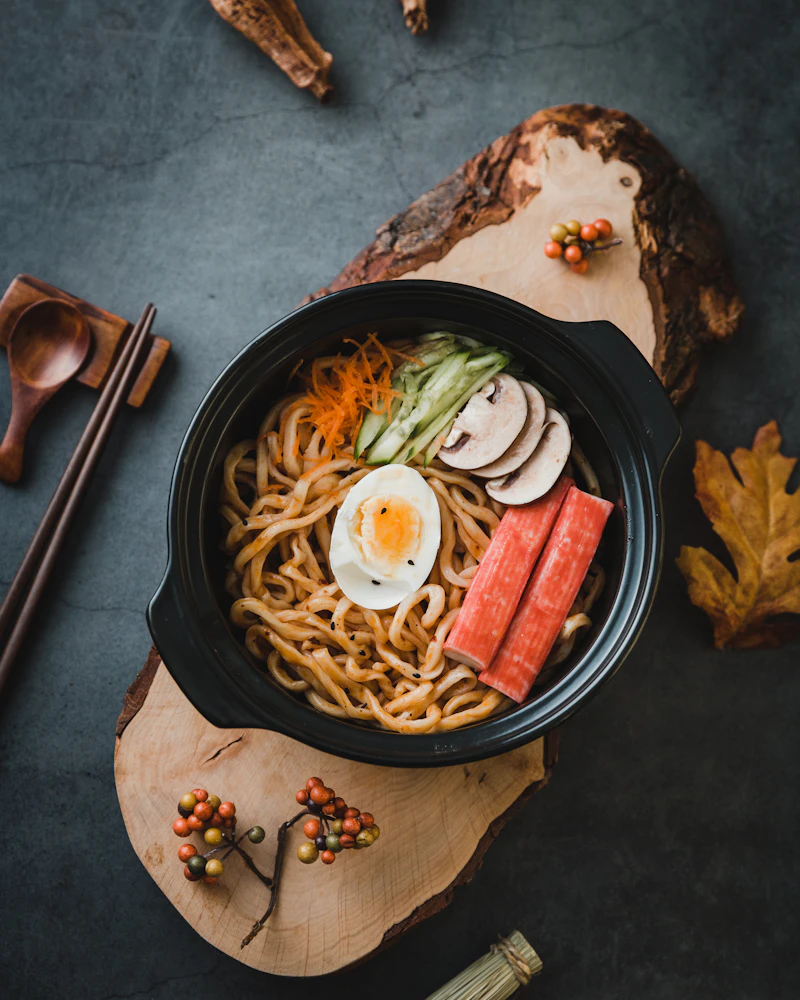
Convenience store ramen is not a backup plan — for a lot of nights on the road in Japan, it's the smarter plan. You land in a city at 9pm, the famous shop you wanted has a line out the door and closes at 10, and you're carrying a suitcase. Walk into the nearest Lawson, 7-Eleven, or FamilyMart instead. The category has genuinely improved: chilled "namasei" (raw-style) cups, regional tie-in bowls, and even stand-mixed tonkotsu kits now sit next to the usual instant noodles. Here's how to actually navigate that wall of cups in 2026, what to buy, and how to make it better with almost no effort.
Why Konbini Ramen Got Good Enough to Matter
The leap isn't marketing — it's the noodle format. Older instant cups used dried, fried noodles that always tasted like instant noodles no matter the broth. The current wave of "namasei" (生生) cups uses a semi-fresh, non-fried noodle sealed in a tray with a separate liquid or paste soup base, closer to what a shop kitchen plates. Nissin's "Raoh" line and Myojo's "Ippeichan" chilled cups both use this approach, and the texture gap versus a real shop bowl has narrowed enough that a tired traveler genuinely can't tell the difference after a long day of sightseeing. Prices stay in the few-hundred-yen range at every chain, so this isn't a splurge — it's just the smart default when a real shop queue doesn't fit your schedule.
The Five Worth Hunting Down
Nissin Raoh Shoyu Tonkotsu — the benchmark. Firm, springy namasei noodles and a thick pork-and-soy broth that doesn't separate into watery grease the way cheaper cups do. Found in nearly every 7-Eleven and Lawson nationwide; look for the matte black cup with red lettering on the mid-shelf, not the bottom row where the cheaper fried-noodle cups sit.
Myojo Ippeichan Chilled Cup (Shio or Tantanmen) — sold refrigerated, not shelf-stable, so check the chiller case near the sandwiches, not the instant noodle aisle. The tantanmen version brings real sesame and chili heat, closer to a Nakameguro-style bowl than anything else in this price bracket.
FamilyMart's regional collab cups — FamilyMart rotates limited-run cups developed with named regional chains (often Kyushu tonkotsu or Hokkaido miso specialists), usually marked with a small "collab" or chain-name sticker on the lid. These sell out fast and don't restock mid-run, so if you see one in a FamilyMart near a train station, grab it rather than planning to come back.
Lawson's Machi Cafe-adjacent namasei bowls — Lawson has pushed harder than the other two chains into bowl-format (not cup) namasei ramen with a thicker, more shop-like broth concentrate. Needs a full 3 minutes of hot water and a longer rest than the cup versions, so it's a better choice for a hotel room kettle than for eating on a train platform.
Nissin's canned/retort tonkotsu kits — sold as a sealed noodle brick plus a soft retort pouch of broth rather than a cup. These need an actual pot or kettle with a wide-mouth container, so they're the pick when you're self-catering in an Airbnb with a kitchenette rather than a business hotel room with just an electric kettle.
Reading the Shelf Like a Local
Convenience stores stock instant ramen in two completely different places, and mixing them up is the most common tourist mistake. The ambient aisle (usually near snacks, not refrigerated) holds classic cup noodles and the newer namasei cups — these are shelf-stable and fine to buy ahead for a future night. The chiller case near drinks, sandwiches, and bento holds the fresh/chilled namasei bowls that need to be eaten within a day or two and kept cold until then — don't buy these in the morning and leave them in a non-air-conditioned bag all afternoon. Chain layouts are consistent enough that once you've spotted the pattern in one 7-Eleven, every other 7-Eleven in the country will match it.
Making It Better With Almost No Effort
A few additions from the same store turn a decent cup into something you'd actually choose over a mediocre restaurant: a soft-boiled konbini egg (ajitama-style ones exist at better-stocked Lawson locations), a bag of menma or kikurage from the snack aisle, a shake of the togarashi packets some stores leave by the hot water station, and — if you can find it — a small pour of the chili oil sold in tiny bottles near the instant noodle section specifically for this purpose. Scallions from a nearby supermarket, roughly chopped and added at the end, close most of the remaining gap versus a real shop bowl. None of this requires cooking equipment beyond the hot water the store already provides.
When Konbini Ramen Beats the Shop Queue
This isn't just a budget fallback — there are specific situations where the cup genuinely wins. Late-night arrivals after last trains stop (most standalone ramen shops close by 10-11pm, but konbini never does) are the obvious case. So is anywhere you're staying with capsule-hotel or guesthouse facilities that ban outside cooking but allow a kettle and cup noodle in the common area. And overnight buses or long shinkansen legs with a layover are another good fit — a sealed cup travels better than a bowl of real ramen you're trying to carry. Treat it as a legitimate meal option for these windows rather than something to feel bad about skipping a "real" shop for.
Etiquette Notes Specific to Eating Konbini Ramen
Most stores provide a hot water station and a small eating counter near the front window — it's fine to eat there, but keep your stay short since space is limited and other customers need the counter too. Always ask or check signage before eating at the counter if the store looks small or crowded; some locations, especially in dense areas like parts of Shinjuku or Shibuya, discourage lingering during rush hours. Dispose of the cup, lid, and any remaining liquid in the store's designated bins before you leave — don't carry a half-full cup out onto the street, since public trash bins are rare in Japan and you'll end up carrying it for blocks. If you added your own toppings from outside the store, bag up any wrappers rather than leaving them on the counter.
Want the real bowls too? Browse the full shop list on OKRamen's site map for queue-tested picks near wherever you're staying tonight.
You might also like
Was this page helpful?
Your feedback helps us improve our guides