
Japan Ramen Price Guide 2026: What Tonkotsu, Miso, Shoyu, and Shio Actually Cost by Region
📅 2026-11-11
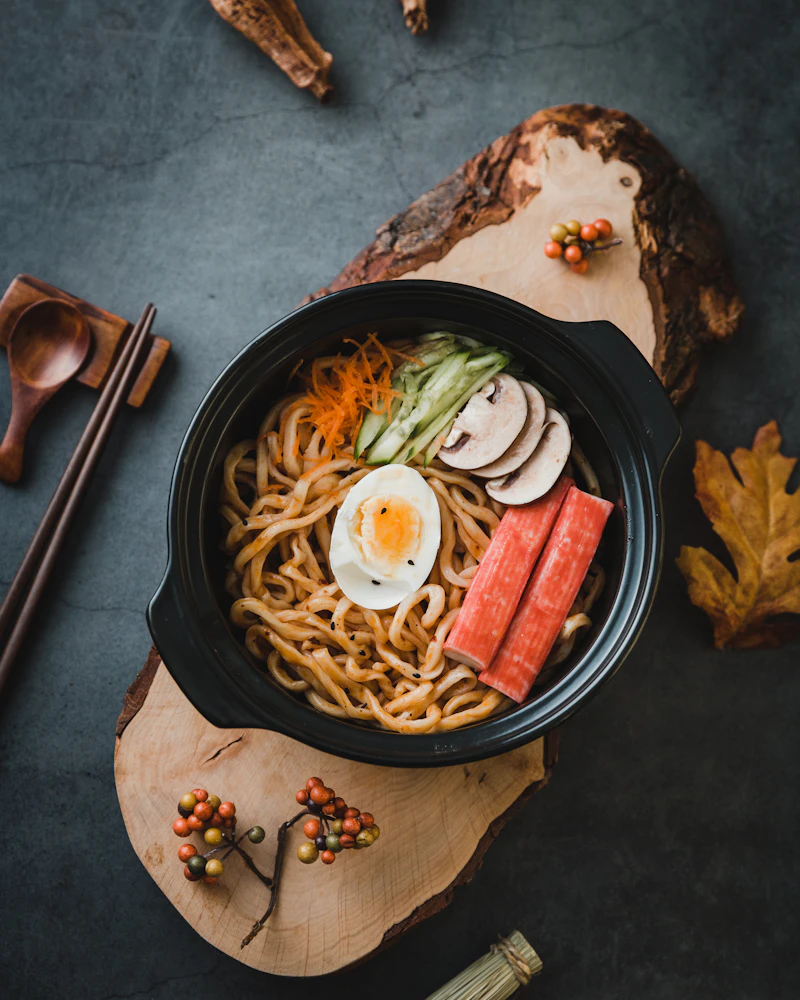
Ramen pricing in Japan isn't random — it follows patterns tied to broth type, region, and shop format that most visitors never learn. A tonkotsu bowl in Fukuoka's Nakasu stalls costs differently than the same style reinterpreted in a Tokyo basement shop, and knowing why helps you budget a multi-city ramen trip without guessing. This guide breaks down the real cost drivers so you can tell a fair bowl from an inflated one at a glance.
Why Tonkotsu Runs Cheaper Than You'd Expect
Tonkotsu's cost structure is unusual: the broth itself (pork bones, long simmer, high volume batches) is relatively cheap per bowl once a shop reaches scale, which is why Hakata-style counters and Fukuoka yatai stalls keep base bowls affordable. The upsell is where tonkotsu shops make money — kaedama (extra noodles) is typically a small add-on, and toppings like extra chashu, flavored egg, or kikurage mushroom stack the bill quickly. If you're watching spend, order the base bowl plain and add one kaedama rather than paying topping-by-topping; the noodle refill is almost always the best value add-on in the entire ramen category because it reuses the same broth.
Miso Ramen's Hokkaido Premium
Miso ramen, especially Sapporo-style, tends to sit a notch above shoyu and tonkotsu on the price ladder in its home region. Part of this is ingredient cost (miso blends, often a shop's proprietary mix of two or three regional misos, cost more than tashi-based shoyu bases), and part is portion size — Hokkaido miso bowls are frequently served with a visibly larger noodle and vegetable load, plus a slab of butter or corn as a near-default addition rather than a true extra. When comparing prices across cities, don't assume a Tokyo miso bowl at the same price point gives you the same volume; Sapporo portions usually run larger for a similar price, so the value equation shifts once you leave Hokkaido.
Shoyu and Shio: The Honest Baseline
Shoyu (soy-based) and shio (salt-based) ramen are useful as your price anchor because they're the oldest, least trend-driven styles and tend to reflect a shop's true cost base without much marketing markup. Old-school Tokyo shoyu shops — the kind with a ticket machine, a counter, and a menu that hasn't changed in decades — are often the most reliably priced bowls in any neighborhood. Shio, being delicate and harder to mask with heavy tare, is frequently used by shops to signal quality; a shio specialist charging noticeably more than its shoyu neighbor is usually justified by better ingredients (whole chicken, dashi, or seafood-forward stock) rather than pure markup. If a trip budget is tight, shio and shoyu counters are where to eat on days you want to save room for a splurge bowl elsewhere.
The Niboshi and Tsukemen Price Jump
Beyond the four classic bases, niboshi (dried sardine) ramen and tsukemen (dipping noodles) both sit at a price premium that's easy to misread as overpricing. Niboshi broths require a high concentration of small dried fish per batch, which is a genuinely expensive ingredient relative to pork bones or soy, so the higher price reflects real cost, not just specialty branding. Tsukemen's premium comes from portion engineering: the noodle serving is noticeably larger than a standard ramen bowl (since there's no broth volume to fill you up), and the concentrated dipping sauce requires more reduction time. Order tsukemen expecting to pay more than you would for the shop's regular ramen, and ask for the broth to be diluted into a drinking soup (suiwari) at the end — it's usually included and makes the higher price feel more complete.
High-End Omakase-Style and Limited-Seat Ramen
A newer category worth separating out is the limited-seat, reservation-or-early-queue ramen shop that behaves more like a small kappo restaurant than a noodle counter — think seasonal ingredient changes, a chef visibly finishing bowls tableside, and a strict daily bowl count. These shops sit well above the genre average, and the premium buys three things: a dashi or broth built from more expensive bases (whole fish, aged soy, or wagyu-adjacent pork), a noodle made in-house rather than from a wholesale noodle factory, and scarcity itself — when a shop caps output at 50–80 bowls a day, price becomes a rationing mechanism as much as a reflection of ingredient cost. If you're budgeting one splurge bowl per city on a ramen trip, this is the category to spend it on; the gap between a mid-tier and top-tier bowl is far more noticeable here than between two average tonkotsu shops.
Regional Cost Differences Beyond Tokyo and Fukuoka
Price comparisons get distorted if you only benchmark against Tokyo. Osaka and Kyoto tonkotsu-shoyu hybrids tend to price close to Tokyo's average, while Fukuoka's yatai stall culture keeps a genuinely different, lower cost structure for standing-counter tonkotsu because overhead (rent, seating, staff) is minimal. Sapporo, as noted, trades higher per-bowl price for larger miso portions. Smaller regional cities and onsen towns often have ramen shops pricing closer to local resident budgets than tourist expectations, so a bowl in a non-touristed prefecture can be noticeably cheaper than the same style in a station-adjacent Tokyo tourist corridor — proximity to a major train hub or airport is frequently a bigger price driver than the ramen style itself.
Reading the Ticket Machine Before You Queue
Most price confusion isn't about the base bowl — it's about not understanding the ticket machine (shokken) before you're in line. Buttons are often grouped by base style first, then size, then add-ons, and the largest button isn't always the most expensive if it's a "regular" size relative to a shop's own scale. If the machine is only in Japanese and you're unsure, it's normal and expected to step aside, let the line move, and ask a staff member to point at buttons rather than guessing and holding up the queue — most counter shops see this constantly and won't mind, but holding up a packed line while reading every button will draw visible frustration. Decide your order (base style, size, one or two toppings) before you reach the front.
Ready to put this into practice? Browse our shop list and city guides on the site map to match these price patterns against specific ramen shops worth visiting on your route.
You might also like
Was this page helpful?
Your feedback helps us improve our guides