
Artisanal vs. Instant: Unraveling the Soul of Restaurant Ramen and Why It Reigns Supreme
📅 2026-04-14
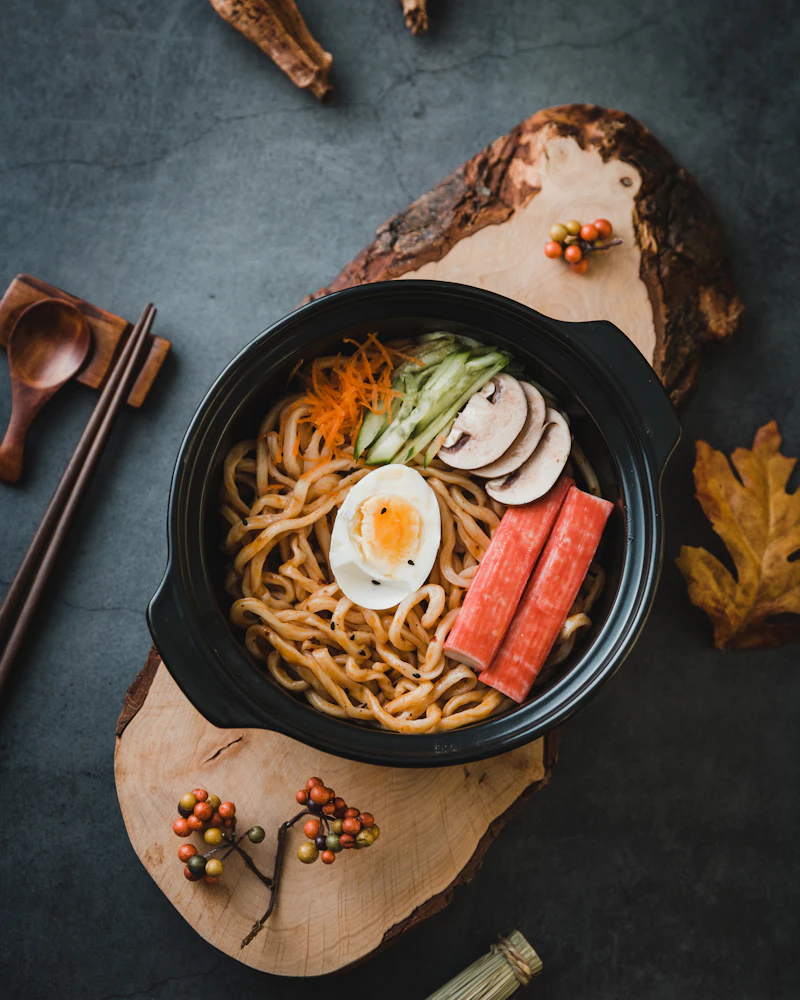
The Eternal Question: Instant Gratification vs. Culinary Revelation
Ramen. The very word conjures images of steaming bowls, rich broths, and springy noodles, a global culinary phenomenon that transcends borders. For many, the first introduction might be through a humble packet of instant noodles, a convenient and comforting meal. Yet, ask any connoisseur, any true devotee of this Japanese masterpiece, and they will tell you: there’s an entire universe of difference between a restaurant’s meticulously crafted ramen and its instant, mass-produced cousin. As a world-class Japanese Ramen expert and a seasoned travel writer, I’m here to guide you through this delicious dichotomy, to reveal what truly makes artisanal restaurant ramen an unforgettable experience, far beyond the reach of any cup or packet. It's a journey into the heart of Japanese culinary philosophy, where instant noodles vs ramen shop isn't just a comparison – it's a testament to artistry.
What Makes Restaurant Ramen Special? A Deep Dive into the Craft
The distinction isn't merely about ingredients; it's about technique, patience, passion, and a profound respect for the craft. Each element in a bowl of authentic restaurant ramen is a carefully considered component, contributing to a symphony of flavors and textures that simply cannot be replicated by dehydration and convenience.
The Broth: The Soul-Stirring Foundation
This is where the most significant chasm between artisanal and instant ramen lies. The broth (スープ, sūpu) is the heart and soul of any great ramen.
- Artisanal Ramen Broth: A ramen master dedicates hours, sometimes even days, to simmering bones (pork, chicken), vegetables (onions, garlic, ginger), dried seafood (katsuobushi, niboshi), and various aromatic ingredients. This long, slow extraction process coaxes out collagen, umami, and a complex tapestry of flavors. Whether it's a milky, rich tonkotsu; a clear, savory shio; a deep, soy-based shoyu; or a robust, fermented miso, each broth is a labor of love, developed through precise ratios and meticulous temperature control. The depth, richness, and nuanced layers of flavor are simply inimitable.
- Instant Ramen Broth: Typically, instant ramen relies on dehydrated flavor packets containing powdered extracts, artificial enhancers, and high levels of sodium. While designed to mimic the taste, they lack the gelatinous mouthfeel, the organic depth, and the subtle complexities that only real, slow-cooked ingredients can provide. It's a flat, one-dimensional experience by comparison.
The Noodles: The Tenacity of Tradition
Beyond the broth, the noodles themselves are a critical differentiator, offering a textural journey that instant versions can only dream of.
- Artisanal Ramen Noodles: Most ramen shops either make their noodles fresh daily or source them from highly specialized noodle makers. These noodles are crafted using wheat flour, water, and kansui (かん水) – an alkaline mineral water solution. The kansui is key to giving ramen noodles their distinctive springiness, chewiness (koshi), and yellowish hue. Noodle masters carefully adjust the hydration, flour blend, and thickness to perfectly complement the specific broth they serve, ensuring ideal texture and absorption. They can be thin and straight for tonkotsu, thick and wavy for miso, or anything in between.
- Instant Ramen Noodles: These are typically pre-cooked (often fried), dehydrated, and uniformly thin to ensure quick rehydration. While convenient, this process strips them of the vital elasticity and fresh, wheaty flavor found in artisanal noodles. Their texture is generally softer, less chewy, and often possesses a residual oiliness from the frying process.
The Toppings: A Symphony of Sensation
The garnishes on a bowl of restaurant ramen are not mere afterthoughts; they are essential components, each carefully prepared to add flavor, texture, and visual appeal.
- Artisanal Ramen Toppings:
- Chashu (叉焼): Melt-in-your-mouth slow-braised pork belly or shoulder, often marinated in a soy-based sauce. Its tenderness and savory depth are a hallmark of quality.
- Ajitama (味玉): A perfectly soft-boiled egg, marinated in a sweet and savory tare, resulting in a jammy yolk and exquisitely flavored whites.
- Menma (メンマ): Seasoned fermented bamboo shoots, offering a delightful crunch and earthy flavor.
- Nori (海苔): Sheets of roasted seaweed, adding a delicate marine aroma and texture.
- Scallions/Green Onions (ネギ): Freshly chopped, providing a sharp, refreshing counterpoint.
- Other regional specialties like kikurage (wood ear mushrooms), narutomaki (fish cake), or corn.
- Each topping is meticulously prepared, often in-house, ensuring optimal freshness and flavor.
- Instant Ramen Toppings: Dehydrated vegetables, tiny flakes of textured soy protein (to simulate meat), and sometimes small, pre-packaged oil sachets. These offer minimal textural variation and a far less vibrant flavor profile compared to their fresh, artisanal counterparts.
The Craftsmanship and Philosophy: A Master's Touch
Beyond the ingredients, what truly sets artisanal ramen apart is the human element – the master's hand, eye, and unwavering dedication.
- The Ramen Master (ラーメン職人): A chef who has often spent years, even decades, perfecting their craft. They understand the intricate balance of flavors, the science of broth extraction, the art of noodle making, and the precise timing required to assemble a perfect bowl. Their work is a blend of culinary science and artistic intuition, often reflecting a personal style or regional tradition. This pursuit of perfection embodies the Japanese concept of shokunin – a master craftsman.
- The "Ichigo Ichie" (一期一会) Principle: A Japanese cultural concept that translates to "one time, one meeting." It emphasizes the importance of cherishing the unrepeatable nature of a moment. For a ramen master, each bowl served is a unique opportunity to create a perfect experience for the customer, an offering of their very best. This deep respect for the moment and the diner is palpable in every spoonful.
- Mass Production vs. Meticulous Creation: Instant ramen is a product of efficiency and scale. Restaurant ramen, particularly from an independent shop, is a product of passion, often made with limited batches and an unwavering focus on quality over quantity.
The Experience: More Than Just Food
Finally, the context in which you consume ramen significantly impacts your perception and enjoyment.
- Restaurant Atmosphere: The bustling energy of a ramen counter, the clatter of bowls, the aroma of simmering broth, the focused intensity of the chef – these are all integral parts of the experience. It’s a sensory feast that engages more than just your taste buds. It’s a shared cultural moment, whether dining solo at a counter or with friends.
- Presentation: An artisanal bowl of ramen is visually appealing – the carefully fanned chashu, the vibrant green of scallions, the perfectly placed ajitama. It’s an edible work of art.
- Instant Ramen Experience: While undeniably convenient and capable of providing comfort, the experience is often solitary, functional, and devoid of the rich sensory tapestry of a restaurant.
Artisanal vs. Instant: A Clear Comparison
Let's summarize the profound differences between instant noodles vs ramen shop offerings:
| Feature | Artisanal Restaurant Ramen | Instant Ramen |
|---|---|---|
| Broth | Slow-simmered (hours/days), complex, deep umami, gelatinous | Powdered extracts, artificial flavors, high sodium, thin |
| Noodles | Freshly made, precise hydration, chewy koshi, varied thickness | Pre-cooked, dehydrated, uniform, softer, less springy |
| Toppings | Fresh, slow-braised meats, marinated eggs, fresh vegetables | Dehydrated flakes, simulated meat, limited variety |
| Preparation | Meticulous, multi-stage, master chef's skill | Boil water, add packet, 3-5 minutes |
| Flavor Profile | Layered, nuanced, authentic, rich, balanced | Monochromatic, salty, artificial, quick flavor burst |
| Experience | Sensory, cultural, social, a culinary journey | Convenient, functional, quick meal, often solitary |
The table clearly illustrates that while both are called "ramen," they represent fundamentally different culinary philosophies and experiences. The artisanal vs instant debate truly highlights the difference between food as sustenance and food as art.
Conclusion: Embrace the Authentic Ramen Journey
While instant ramen holds its rightful place as a quick, comforting meal, it is crucial to understand that it serves as merely an echo of the true ramen experience. What makes restaurant ramen special is a testament to dedication, tradition, and artistry. From the painstakingly slow-cooked broth to the perfectly textured noodles, the carefully prepared toppings, and the passionate hands that assemble each bowl, every element contributes to an unparalleled gastronomic journey.
So, the next time you crave ramen, choose an authentic ramen shop. Indulge in the depth, the texture, the aroma, and the very soul of this incredible dish. To help you on your culinary journey, we invite you to explore our curated map of exceptional ramen establishments, where you can taste the difference for yourself and truly appreciate the mastery behind every bowl. Your palate will thank you.