
The Sapporo Miso Ramen Pilgrimage: A 2-Day Hokkaido Course
📅 2026-07-27
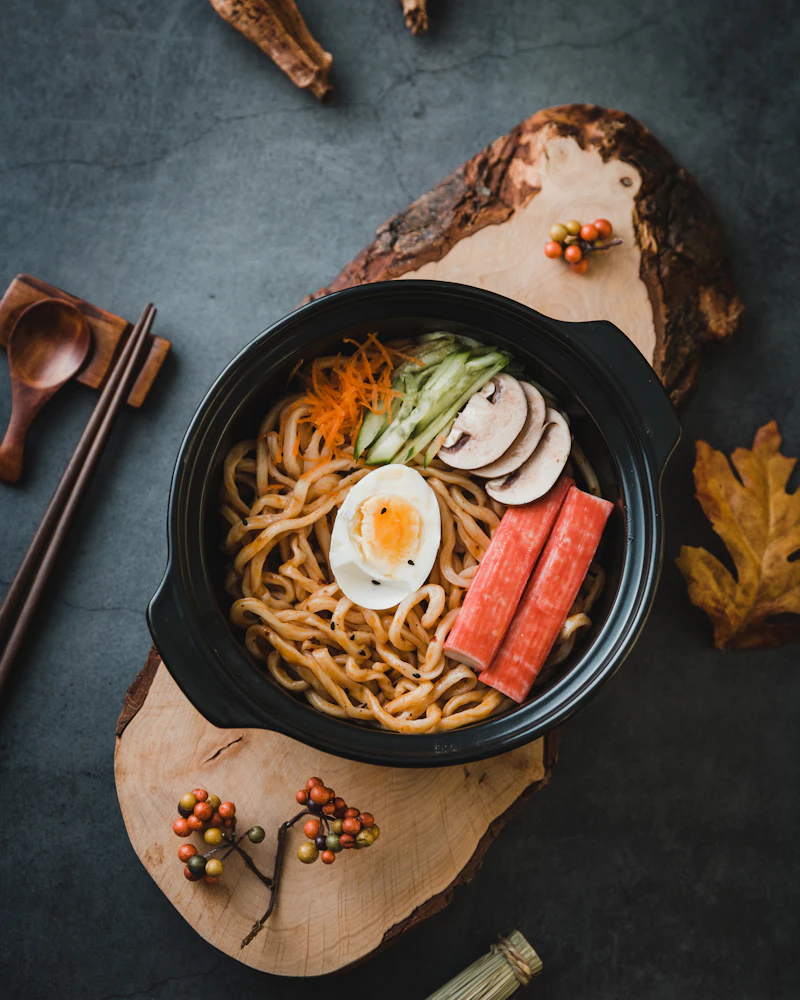
Miso ramen was born in Sapporo, and nowhere else in Japan lets you trace the style from its origin to its modern variations in the space of a weekend. This course spends two days almost entirely within Sapporo's city center, prioritizing the shops that actually shaped the miso tradition over sheer variety. If you have a third day, an optional Asahikawa side trip at the end offers a useful shoyu comparison to put the miso style in context.
Before you go
- Hokkaido is cold for more of the year than the rest of Japan. Even shoulder-season visits can be brisk, and miso ramen's richness is partly a response to that climate — eat it as intended, hot and immediately.
- Susukino is Sapporo's nightlife and ramen district. Several stops on this course cluster there, so you can walk between some of them rather than relying on the subway.
- Confirm hours before each visit. Sapporo's older, family-run miso shops sometimes close for irregular days or run seasonal hours. This itinerary is editorial planning, not a live booking source — check Google Maps the morning of.
Day 1 — The origin story
Morning: the birthplace of miso ramen
Start at Aji no Sanpei in Chuo Ward, the shop widely credited with inventing miso ramen in the 1950s. It's a genuine pilgrimage stop for anyone serious about ramen history, not just a novelty — the miso tare recipe here is the ancestor of everything else on this list.
Order: the house miso ramen as-is on your first visit, before trying butter-corn or spicy miso variations elsewhere. This is the baseline against which every other bowl on this course gets compared.
Midday: the legendary thick bowl
Move to Sumire Sapporo, known for one of the thickest, most intensely flavored miso broths in the city — a noticeably different, heavier style than the birthplace shop's original recipe.
Order: house miso ramen. The broth here is strong enough that you may not want to add extra oil or spice on a first visit.
Afternoon: refined, balanced miso
Continue to Menya Saimi, a shop that built its reputation on a more refined, ginger-forward take on miso ramen, often cited alongside Sumire as one of the two essential modern miso experiences in Sapporo.
Order: house miso ramen — the ginger aromatics are the point here, so skip heavy customization.
Evening: Susukino for a modern bowl
Head into Susukino for Ramen Kuryu, a well-regarded miso counter that fits naturally into an evening around Sapporo's densest bar and restaurant district.
Optional late-night stop: if you still have room, wander through Ganso Sapporo Ramen Yokocho, the original ramen alley in Susukino — a lane of small counters where you can compare a half-bowl or two rather than committing to a full dinner-sized order at every stall.
Day 2 — Modern Sapporo miso
Morning: a second-generation classic
Start with Ramen Mutsumiya, another long-running Sapporo miso institution that's easy to fold into a morning before sightseeing.
Order: house miso ramen; butter-corn if you want the classic Sapporo garnish combination.
Midday: Hokkai Ramen
Continue to Hokkai Ramen for a solid, unpretentious bowl that represents the everyday version of Sapporo miso rather than a flashy specialty shop.
Order: the standard miso ramen — this is a good stop for comparing an "ordinary" Sapporo bowl against yesterday's more famous names.
Afternoon: Ramen Gantetsu
Head to Ramen Gantetsu, a well-known counter that many locals name as a personal favorite even though it's less internationally famous than Sumire or Sanpei.
Order: house miso ramen; ask about seasonal or limited variations if you want something outside the classic recipe.
Evening: Ramen Shingen in Susukino
Close the day back in Susukino at Ramen Shingen, known locally for its miso ramen and its fried rice — a good pairing if you want to round out the meal with something other than a second bowl of noodles.
Order: house miso ramen with a side of fried rice (chahan) to share.
Optional Day 3: Asahikawa shoyu comparison
If you have time for a half-day trip, take the JR limited express from Sapporo Station to Asahikawa (about 1 hour 25 minutes) for Asahikawa Ramen Aoba, a shop operating since 1947 and a defining name in Asahikawa's shoyu tradition — famous for the thin oil layer that keeps the broth scalding hot from the first sip to the last. It's not a miso shop, but tasting it back-to-back with two days of Sapporo miso makes Hokkaido's regional ramen differences click into place in a way that reading about them never quite does.
Two-day pacing at a glance
| Day | Time | Shop | Note |
|---|---|---|---|
| 1 | Morning | Aji no Sanpei | Birthplace of miso ramen |
| 1 | Midday | Sumire Sapporo | Legendary thick broth |
| 1 | Afternoon | Menya Saimi | Refined, ginger-forward |
| 1 | Evening | Ramen Kuryu | Susukino modern classic |
| 1 | Optional late night | Ganso Sapporo Ramen Yokocho | Alley of small counters |
| 2 | Morning | Ramen Mutsumiya | Long-running institution |
| 2 | Midday | Hokkai Ramen | Everyday Sapporo miso |
| 2 | Afternoon | Ramen Gantetsu | Local favorite |
| 2 | Evening | Ramen Shingen | Miso + fried rice, Susukino |
| Optional 3 | Day trip | Asahikawa Ramen Aoba | Shoyu comparison, ~1h25m each way |
If two full days of miso feels repetitive, trim it to four stops: Aji no Sanpei and Sumire Sapporo on day one, then Ramen Shingen and Ramen Gantetsu on day two — that alone covers the history and the modern Susukino scene.
Shop guides on OKRamen
- Aji no Sanpei — the birthplace of miso ramen, Chuo Ward
- Sumire Sapporo — legendary thick miso
- Menya Saimi — refined ginger miso
- Ramen Kuryu — Susukino miso
- Ganso Sapporo Ramen Yokocho — the original ramen alley
- Ramen Mutsumiya — long-running miso institution
- Hokkai Ramen — everyday Sapporo miso
- Ramen Gantetsu — local favorite
- Ramen Shingen — miso and fried rice, Susukino
- Asahikawa Ramen Aoba — shoyu comparison, optional day trip
See all shops on the OKRamen Japan ramen map and confirm today's hours before you go.
You might also like
Was this page helpful?
Your feedback helps us improve our guides