
Tokyo Ramen Styles: Shoyu, Tonkotsu, Tsukemen & Where to Start
📅 2026-07-02
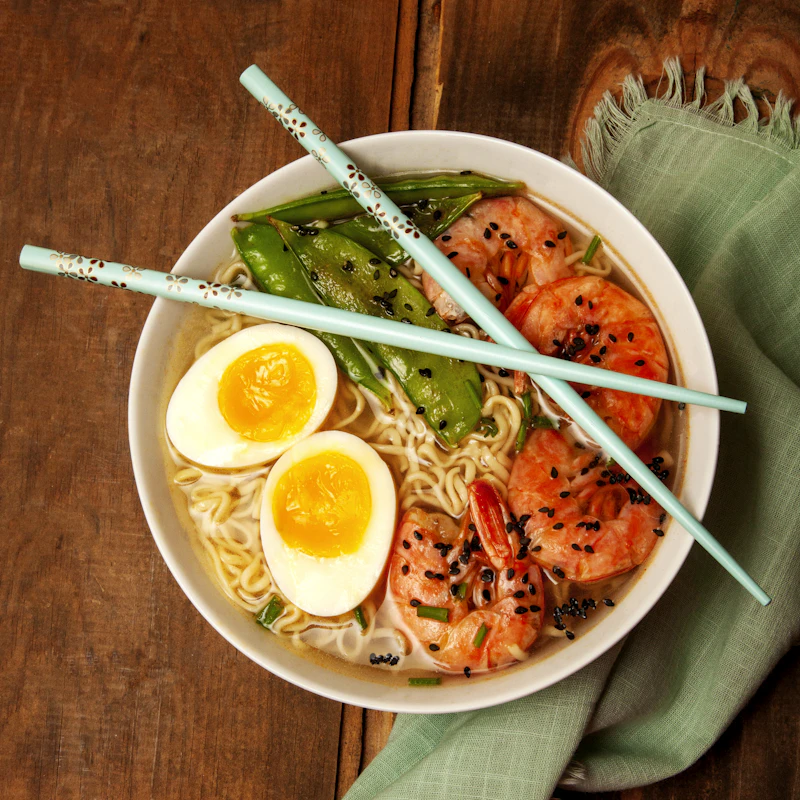
Tokyo is one of the easiest cities in Japan to explore ramen because shops from every region open branches here. You can compare Tokyo shoyu (clear soy-based broth), Hakata tonkotsu (creamy pork bone), Sapporo miso, and tsukemen (dipping noodles) without leaving the city. This guide explains what each style means so you can filter the OKRamen map by soup type, pick a neighborhood that fits your itinerary, and confirm hours on Google Maps before you go.
The Heart of Japan: A Deep Dive into Ramen's Rich History and Evolution
Ramen's story is as complex and captivating as its flavors. While undeniably a staple of Japanese cuisine today, its origins trace back to China, arriving in Japan during the late 19th or early 20th century. Initially known as "shina soba" (Chinese noodles), it quickly adapted to Japanese palates, evolving dramatically through the years. Post-World War II, with food scarcity and returning soldiers bringing back experiences of Chinese food, ramen's popularity surged. Simple, nourishing, and affordable, it became a beloved comfort food. The instant ramen boom of the 1950s further cemented its place in Japanese households and on the global stage, but the true artistry lies in the regional specialties that developed across Japan. Each region, influenced by local ingredients and culinary traditions, began crafting its unique broth, noodles, and toppings, transforming ramen from a humble dish into a gourmet phenomenon. Today, ramen is a testament to Japan's remarkable ability to absorb external influences and elevate them into something uniquely and exquisitely its own.
Deconstructing the Bowl: The Essential Elements of Masterful Ramen
A perfect bowl of ramen is a harmonious symphony of five core components, each meticulously crafted to contribute to the overall flavor profile and texture. Understanding these elements is key to appreciating the complexity and artistry behind every slurp.
The Soul of Ramen: Broth (スープ - Suupu)
The broth is arguably the most critical component, often taking hours, even days, to prepare. It dictates the ramen's fundamental character. There are four primary categories, each with countless variations:
- Shoyu (醤油 - Soy Sauce-Based): The oldest and perhaps most classic style, often featuring a clear, brown broth made from chicken or pork bones, flavored heavily with soy sauce. It's savory, tangy, and incredibly aromatic, with Tokyo Shoyu being a quintessential example.
- Shio (塩 - Salt-Based): Typically the lightest and clearest broth, made from chicken, fish, or vegetable stocks, seasoned primarily with salt. It's delicate, refreshing, and allows the natural flavors of the ingredients to shine through.
- Miso (味噌 - Fermented Soybean Paste-Based): Originating from Hokkaido, this broth is rich, hearty, and often slightly sweet and nutty, thanks to the addition of miso paste. It's a deeply satisfying and warming option, especially popular in colder climates.
- Tonkotsu (豚骨 - Pork Bone-Based): A thick, opaque, and creamy white broth made by boiling pork bones for many hours until they dissolve into a rich emulsion. Hailing from Fukuoka, it's intensely flavorful, often gelatinous, and supremely satisfying.
Beyond these four, you'll also find specialty broths like Gyokai (魚介 - Seafood-Based), a savory blend often used to create a "double soup" (w-soup) when combined with a meat broth, offering profound umami depth.
The Backbone: Noodles (麺 - Men)
Ramen noodles are typically made from wheat flour, salt, water, and kansui (かん水), an alkaline mineral water that gives them their distinct yellow hue, elasticity, and chewy texture. Noodle types vary widely:
- Thin, Straight Noodles: Common in Tonkotsu ramen, designed to cling to the rich broth.
- Thick, Wavy Noodles: Often found in Miso and some Shoyu ramen, providing a satisfying bite and capturing more broth.
- Medium, Curly Noodles: A versatile choice, offering a good balance of chewiness and broth adherence.
The perfect noodle texture is crucial – al dente, with a pleasant chew. Many shops will ask your preference for noodle firmness.
The Embellishment: Toppings (具 - Gu)
Toppings add flavor, texture, and visual appeal, elevating the ramen experience:
- Chashu (チャーシュー): Braised or roasted pork belly, sliced thin, incredibly tender, and often melt-in-your-mouth. A quintessential ramen topping.
- Ajitama (味玉): A soft-boiled egg marinated in soy sauce and mirin, with a perfectly jammy yolk. A favorite among ramen enthusiasts.
- Nori (海苔): Sheets of dried seaweed, adding a subtle ocean flavor and crisp texture.
- Menma (メンマ): Fermented bamboo shoots, providing a unique savory crunch.
- Negi (ネギ): Sliced green onions or leeks, offering a fresh, pungent counterpoint to the rich broth.
- Narutomaki (なると巻き): A white fish cake with a pink swirl, a traditional and recognizable ramen garnish.
- Kikurage (きくらげ): Sliced wood ear mushrooms, offering a delightfully crisp and rubbery texture.
- Corn and Butter: Popular in Miso ramen, particularly from Hokkaido, adding sweetness and richness.
The Aromatic Touch: Tare (タレ)
Often overlooked but incredibly important, tare is the concentrated seasoning that gives the ramen its fundamental flavor profile before the broth is added. It's typically a blend of soy sauce, salt, miso, and various other ingredients, sitting at the bottom of the bowl and mixing with the hot broth.
The Finishing Flourish: Aroma Oil (香油 - Kōyu)
A drizzle of fragrant oil – such as mayu (焦がしニンニク油 - charred garlic oil) in Tonkotsu, or chicken fat in Shoyu – adds an extra layer of richness, aroma, and depth, enhancing the overall sensory experience.
A Tour of Taste: Iconic Regional Ramen Styles to Savor in Tokyo
While ramen's origins are regional, Tokyo, as Japan's culinary melting pot, offers an incredible opportunity to sample almost every major style perfected by master chefs from across the country. Here's a guide to the must-try regional variations you'll encounter.
Tokyo Shoyu Ramen: The Metropolitan Classic
This is often considered the "original" or standard ramen in Tokyo. It features a clear, brown broth typically made from chicken bones, flavored with plenty of soy sauce. The noodles are usually thin and curly, and toppings often include chashu, menma, nori, and finely chopped negi. It's a comforting, savory, and perfectly balanced bowl that represents the traditional essence of ramen. Look for shops proudly serving "Tokyo ramen" or "Chuka Soba" for this authentic experience.
Hakata Tonkotsu Ramen: Creamy Indulgence from Fukuoka
Hailing from Hakata, Fukuoka, this style is renowned for its thick, milky white broth, achieved by boiling pork bones for hours until they emulsify. The result is an incredibly rich, savory, and often gelatinous soup. It's typically served with very thin, straight noodles and minimalist toppings like chashu, kikurage, and benishoga (red pickled ginger) to cut through the richness. Many shops offer kaedama (替え玉), an extra serving of noodles, to enjoy with the remaining broth.
Sapporo Miso Ramen: Hearty Warmth from Hokkaido
From the snowy landscapes of Hokkaido comes the robust and warming Miso ramen. Its signature feature is a rich, hearty broth flavored with fermented miso paste, often sautéed with garlic and ginger before the broth is added. It usually comes with thick, wavy noodles and a generous array of toppings that can include stir-fried vegetables (like cabbage and bean sprouts), chashu, corn, and a pat of butter, creating a truly unique flavor profile that's both sweet and savory.
Tsukemen: The Art of Dipping Noodles
Tsukemen (つけ麺), or "dipping noodles," is a distinct style where the noodles and toppings are served separately from an intensely concentrated, rich broth. You dip the cooled, thick, and chewy noodles into the piping hot, flavorful soup before slurping. It offers a different textural experience and allows for a more controlled flavor intensity with each bite. After finishing the noodles, many shops offer soup-wari (スープ割り), a lighter broth to dilute the remaining dipping soup, allowing you to drink it.
Mazesoba: Soupless Ramen with Explosive Flavor
For those who prefer their ramen without broth, Mazesoba (まぜそば) or "mixed noodles" is a must-try. This style consists of thick noodles topped with a medley of ingredients such as ground meat, raw egg yolk, various vegetables, and a flavorful sauce. The magic happens when you thoroughly mix everything together before eating, creating a dynamic explosion of textures and tastes in every bite. It's hearty, customizable, and incredibly satisfying.
Mastering the Art of the Slurp: Ramen Culture and Etiquette in Japan
Dining in a Japanese ramen shop is a unique cultural experience. Understanding a few key etiquette points will enhance your enjoyment and show respect for the chef.
- Ordering from a Vending Machine (食券機 - Shokkenki): Many popular ramen shops use a ticket vending machine at the entrance. Insert cash, select your ramen and toppings (often pictured), receive your ticket, and hand it to the staff. This streamlines the process and ensures quick service.
- Sit and Slurp: Once seated, place your ticket on the counter. The chef will prepare your meal. It's perfectly acceptable, even encouraged, to slurp your noodles! This indicates enjoyment and helps cool the hot noodles as you eat. Don't be shy!
- Eat Promptly: Ramen is best enjoyed hot and fresh, so don't linger. Once your bowl arrives, dive in. The noodles can become soggy if left too long.
- Don't Share: Ramen is typically a personal meal, designed for one. Ordering a single bowl and sharing it is generally frowned upon.
- Finishing the Broth: While not mandatory, finishing your broth is a sign of appreciation for the chef's hard work. If you find the broth too rich or salty, it's fine to leave some.
- "Itadakimasu" and "Gochisōsama deshita": Before eating, a polite "Itadakimasu" (いただきます - "I humbly receive") is customary. After finishing, "Gochisōsama deshita" (ごちそうさまでした - "Thank you for the meal") is a gracious way to thank the chef.
Navigating Tokyo's Ramen Labyrinth: Finding Your Perfect Bowl
Tokyo is a ramen paradise, with thousands of shops ranging from tiny counter-only establishments to multi-story ramen emporiums. Finding the "best" is a subjective quest, but here are some tips to guide your delicious journey.
Hotspots for Ramen Enthusiasts
Certain Tokyo neighborhoods are renowned for their high concentration of exceptional ramen shops:
- Shinjuku: Home to countless ramen shops, including famous chains and hidden gems, catering to late-night crowds and office workers alike.
- Shibuya: A vibrant area with trendy ramen spots, often attracting younger crowds.
- Ikebukuro: Known for its fierce ramen competition, offering a diverse array of styles and innovative creations.
- Sugamo: Often called "Grandma's Harajuku," this area boasts excellent traditional ramen shops, including some highly-rated ones.
- Nakano: A slightly more local, laid-back area with a fantastic selection of independent ramen joints.
Michelin Stars and Beyond: Top-Tier Ramen Experiences
Yes, ramen can earn Michelin stars! Several Tokyo ramen shops have been recognized for their exceptional quality, transforming the humble noodle into a gourmet experience. Look for shops like Tsuta (which was the first ramen shop to earn a Michelin star, though it has since moved locations and changed its recognition status, but maintains high repute for quality), Nakiryu, and others that consistently appear on prestigious lists. These often involve queues, but the experience is undoubtedly worth it.
Hunting for Hidden Gems and Local Favorites
Sometimes, the most memorable ramen experiences come from unexpected corners. Don't shy away from:
- Small, independent shops: These often have a loyal local following and offer truly unique, chef-driven creations.
- Back alleys: Wander off the main streets; some of Tokyo's best ramen lies tucked away in unassuming spots.
- Morning Ramen (朝ラー - Asa-Rā): A growing trend, some shops open early, offering lighter ramen perfect for breakfast or a late-night detox.
Seasonal & Limited-Edition Ramen
Keep an eye out for seasonal specials or limited-edition ramen offered by shops. Chefs often experiment with seasonal ingredients, unique broths, or collaborate with other culinary artists, providing a chance to try something truly exclusive.
Essential Japanese Ramen Glossary for Your Culinary Adventure
To help you navigate menus and converse with confidence, here are some key terms:
- Ramen (ラーメン): The star of the show!
- Tsukemen (つけ麺): Dipping ramen.
- Mazesoba (まぜそば): Soupless mixed noodles.
- Shoyu (醤油): Soy sauce (broth type).
- Shio (塩): Salt (broth type).
- Miso (味噌): Fermented soybean paste (broth type).
- Tonkotsu (豚骨): Pork bone (broth type).
- Chashu (チャーシュー): Braised pork belly.
- Ajitama (味玉): Marinated soft-boiled egg.
- Nori (海苔): Dried seaweed.
- Menma (メンマ): Fermented bamboo shoots.
- Negi (ネギ): Green onions.
- Kaedama (替え玉): Extra serving of noodles.
- Oomori (大盛り): Large serving (for noodles or rice).
- Tokusei (特製): Special (often means extra toppings).
- Karamen (辛麺): Spicy noodles.
- Dashi (出汁): Japanese soup stock, foundational for many broths.
- Umami (旨味): The fifth basic taste, savory deliciousness.
Your Next Ramen Adventure Awaits!
From the first comforting slurp to the last savory drop of broth, Japanese ramen offers an unparalleled culinary experience that is deeply woven into the fabric of Tokyo's vibrant food scene. It's a dish that continues to evolve, innovate, and captivate palates worldwide, yet always retains its soulful, comforting essence. Whether you're a ramen novice or a seasoned slurper, Tokyo promises an endless array of flavors, textures, and traditions to explore. So, arm yourself with this guide, embrace the adventure, and prepare to discover your new favorite bowl.
Ready to shortlist shops? Open the OKRamen map, filter by style or area, and open individual shop pages for ordering tips and Maps links.
You might also like
Was this page helpful?
Your feedback helps us improve our guides