
The Ultimate Guide to Japanese Ramen: Broths, Noodles, & Beyond for Foodies
📅 2026-07-04
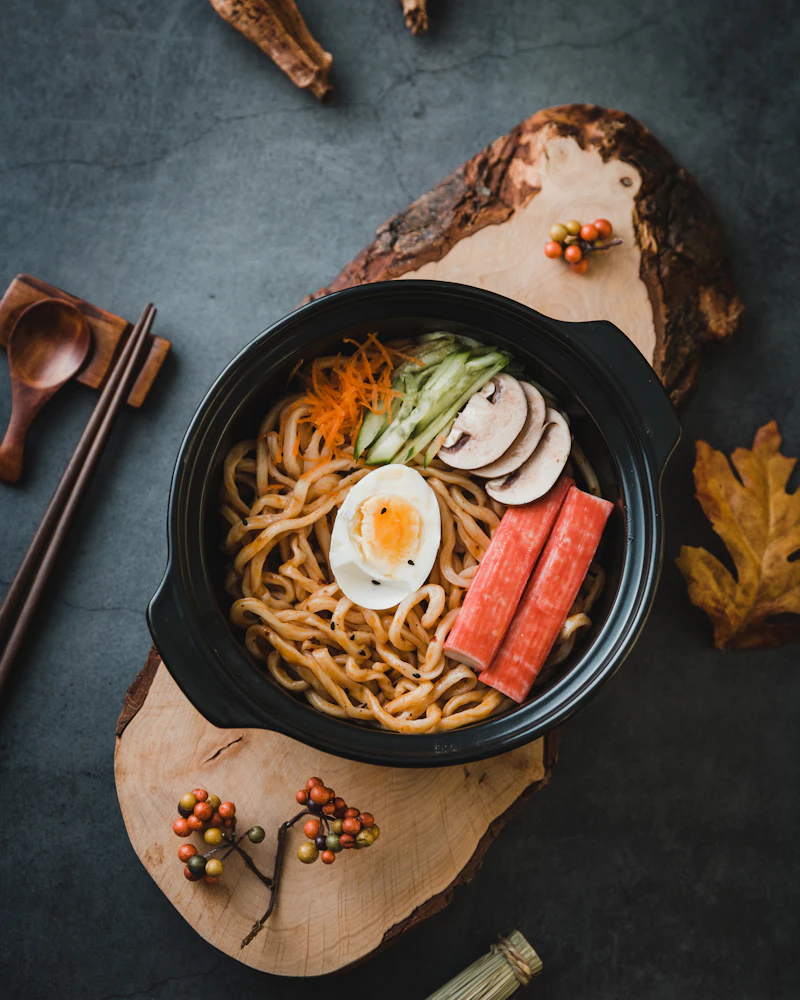
Ah, ramen. Just the word itself conjures images of steaming, aromatic bowls, brimming with rich broth, perfectly chewy noodles, and an array of tantalizing toppings. For many, a trip to Japan isn't complete without slurping down at least one bowl of this iconic dish. But ramen is so much more than just a quick meal; it's a culinary art form, a cultural cornerstone, and a deeply personal experience. As a travel blogger and unapologetic Japanese food expert, I’ve dedicated countless hours (and calories!) to exploring every nook and cranny of Japan's ramen landscape. From bustling Tokyo back alleys to tranquil Hokkaido mountainsides, each bowl tells a story, a testament to regionality, tradition, and the relentless pursuit of umami.
If you think you know ramen, prepare to have your mind (and taste buds) expanded. This isn't just a dish; it's a universe. And trust me, navigating this universe is one of the most delicious adventures you'll ever embark on. Let’s dive in and unlock the secrets behind Japan's most beloved noodle soup.
The Soul of Ramen: A Culinary Journey
Ramen's global popularity is undeniable, but to truly appreciate it, you need to understand its journey and the meticulous craftsmanship that goes into every bowl. It's a symphony of flavors and textures, meticulously balanced by passionate ramen masters.
A Brief History: From China to Japan's National Dish
While universally associated with Japan, ramen’s origins are widely believed to be Chinese. "Chūka soba" (中華そば - Chineseそば), as it was initially known, arrived in Japan in the late 19th or early 20th century. Early versions were relatively simple, featuring wheat noodles in a clear, salty broth with minimal toppings. Post-World War II, with the return of Japanese soldiers from China and the availability of inexpensive wheat flour, ramen began to evolve rapidly. Street stalls and humble eateries popped up, offering hearty, affordable meals that resonated with a hungry nation.
The real boom, however, came in the latter half of the 20th century. Innovators experimented with different broths, noodles, and toppings, leading to the incredibly diverse styles we see today. Instant ramen, invented by Momofuku Ando in 1958, further cemented ramen's place in daily life, both domestically and internationally. Today, ramen isn't just a dish; it's a cultural phenomenon, inspiring documentaries, manga, and countless dedicated food tours. It’s a testament to adaptation and culinary genius.
Decoding Ramen: Understanding the Core Elements
To truly appreciate ramen, it’s essential to break it down into its fundamental components. Each element, from the broth to the oil, plays a crucial role in creating the overall flavor profile and experience. Think of it as a culinary puzzle where every piece fits perfectly.
The Broth (スープ - Suupu): The Heartbeat of Ramen
The broth (スープ - suupu) is arguably the most crucial component of any ramen bowl. It's the foundation upon which all other flavors are built, often simmered for hours, sometimes even days, to extract maximum depth and umami. Understanding the different broth styles is key to navigating the ramen landscape.
- Shio (塩 - Salt) Ramen: This is often considered the purest form of ramen, showcasing the natural flavors of the ingredients. The broth is typically clear and light, seasoned primarily with salt (塩 - shio), along with a blend of chicken, pork, or seafood stock. It's delicate, refreshing, and incredibly nuanced, allowing the quality of the noodles and toppings to shine.
- Shoyu (醤油 - Soy Sauce) Ramen: The most common and perhaps oldest style of ramen broth, shoyu (醤油 - soy sauce) ramen features a clear, brown broth seasoned heavily with soy sauce. It often uses chicken or pork stock as its base, resulting in a savory, slightly tangy flavor profile. Many regional variations of shoyu ramen exist, from the light, elegant Tokyo style to richer, more robust versions.
- Miso (味噌 - Fermented Soybean Paste) Ramen: Hailing from Hokkaido, miso (味噌 - fermented soybean paste) ramen is characterized by its thick, hearty, and often nutty broth. The miso paste adds a complex, fermented depth, making it a rich and warming choice, especially popular in colder climates. It's often accompanied by toppings like corn, butter, and stir-fried vegetables.
- Tonkotsu (豚骨 - Pork Bone) Ramen: A highly celebrated style originating from Fukuoka in Kyushu, tonkotsu (豚骨 - pork bone) ramen is known for its incredibly rich, creamy, and opaque white broth. This is achieved by boiling pork bones for many hours, sometimes even a full day, until the collagen and fat emulsify into a milky consistency. It's intensely flavorful, often accompanied by thin, straight noodles and toppings like pickled ginger and wood ear mushrooms.
- Gyokai (魚介 - Seafood) Ramen: While many broths incorporate seafood subtly, gyokai ramen puts it front and center. It utilizes seafood (魚介 - gyokai), often dried anchovies, bonito flakes, kombu (kelp), or sardines, to create a deeply umami-rich broth. Sometimes it’s a standalone seafood broth, and other times it’s blended with pork or chicken stock to create a "double soup" (ダブルスープ - daburu suupu) for unparalleled depth.
- Toripaitan (鶏白湯 - Creamy Chicken) Ramen: Similar in appearance to tonkotsu but made entirely from chicken bones and sometimes chicken feet, toripaitan (鶏白湯 - creamy chicken) ramen offers a rich, creamy, and deeply flavorful broth without the pork. It's often slightly lighter than tonkotsu but still incredibly satisfying, gaining significant popularity in recent years.
The Noodles (麺 - Men): Texture and Type
The noodles (麺 - men) are the very backbone of ramen. Their texture, chewiness, and ability to absorb the broth are paramount to a great bowl. Ramen noodles are typically made from wheat flour, water, salt, and kansui (かん水 - alkaline mineral water), which gives them their distinctive yellow hue and springy texture.
- Thick vs. Thin: Noodles vary significantly in thickness. Thin noodles (細麺 - hosomen) are often found in tonkotsu ramen, allowing them to cook quickly and soak up the rich broth. Thick noodles (太麺 - futomen), on the other hand, are common in miso or tsukemen (dipping ramen), providing a more substantial bite to stand up to heavier broths.
- Straight vs. Wavy: Noodles can be straight (ストレート麺 - sutorēto men) or wavy (ちぢれ麺 - chijire men). Straight noodles offer a smooth slurp, while wavy noodles tend to pick up more broth due to their irregular surface, delivering more flavor with each bite.
- Flour and Alkalinity: The type of flour used (e.g., high-protein wheat) and the precise amount of kansui can dramatically alter the noodle's chewiness, elasticity, and flavor. Some shops even make their own noodles daily to ensure peak freshness and customize them to their specific broth. When ordering, you might even be asked for your preferred noodle firmness (麺の硬さ - men no katasa): barikata (extra firm), harigane (super firm, almost raw), kata (firm), futsuu (regular), or yawaraka (soft).
The Toppings (具材 - Guzai): The Symphony of Flavors
While broth and noodles are the stars, the toppings (具材 - guzai) are the supporting cast that completes the ramen experience, adding texture, color, and additional layers of flavor.
- Chashu (チャーシュー - Braised Pork Belly): This is perhaps the most iconic ramen topping. Chashu consists of succulent slices of braised pork belly or shoulder, slow-cooked until incredibly tender and flavorful. It often melts in your mouth, providing a rich, savory contrast to the broth.
- Ajitama (味玉 - Seasoned Soft-Boiled Egg): A perfectly prepared ajitama is a work of art. These soft-boiled eggs are marinated in a savory mixture of soy sauce, mirin, and dashi, resulting in a deeply flavored white and a gloriously runny, custardy yolk that enriches the broth.
- Nori (海苔 - Dried Seaweed): Sheets of crispy nori (dried seaweed) add a delightful oceanic umami flavor and a textural contrast. They absorb some of the broth, becoming tender and releasing their unique taste.
- Menma (メンマ - Fermented Bamboo Shoots): These savory, slightly crunchy fermented bamboo shoots (メンマ - menma) provide a pleasant bite and a distinctive earthy, umami flavor that complements the richness of the broth.
- Negi (ネギ - Green Onions): Finely chopped green onions (ネギ - negi), typically the white or green parts of spring onions, add a fresh, pungent, and slightly spicy bite, cutting through the richness of the broth and adding a vibrant color.
- Narutomaki (なると巻き - Fish Cake): This visually distinctive fish cake (なると巻き - narutomaki), often featuring a pink swirl, is a traditional topping, especially in older-style ramen. It adds a subtle seafood flavor and a chewy texture.
- Kikurage (キクラゲ - Wood Ear Mushroom): Common in tonkotsu ramen, these thin, crunchy wood ear mushrooms (キクラゲ - kikurage) offer a delightful textural contrast and a mild, earthy flavor.
- Corn and Butter: A signature of Hokkaido-style miso ramen, the sweetness of corn and the richness of a pat of butter dissolve into the hearty miso broth, creating an incredibly comforting and uniquely satisfying flavor.
The Tare (タレ): The Flavor Concentrator
While often overlooked by newcomers, the tare (タレ) is a critical component, often described as the "soul" of the ramen. It's a concentrated seasoning base placed at the bottom of the bowl before the broth is added. The tare provides the foundational flavor (salt, soy sauce, or miso) and is often a complex mixture of soy sauce, mirin, sake, dashi, salt, and other secret ingredients. It's what differentiates a shoyu ramen from a shio ramen, even if they share the same base broth. Ramen masters meticulously craft their tare, keeping its exact composition a closely guarded secret.
The Aroma Oil (香味油 - Kōmi-Abura): The Finishing Touch
Aroma oil (香味油 - kōmi-abura) is the final flourish, a crucial element that adds richness, depth, and a distinctive fragrance to the ramen. It can be derived from chicken fat, pork fat (like mayu - blackened garlic oil), or infused with aromatics like garlic, ginger, or chili. This oil floats on top of the broth, sealing in heat and delivering an initial burst of flavor with every slurp.
Regional Ramen: A Taste Tour Across Japan
Japan is a country deeply proud of its regional culinary specialties, and ramen is no exception. Each region, sometimes even each city, boasts its own unique style, reflecting local ingredients, climate, and historical influences. Embarking on a regional ramen tour is a fantastic way to experience Japan's diverse food culture.
- Hakata Ramen (Fukuoka, Kyushu): Famous for its rich, milky tonkotsu broth made from pork bones boiled for hours. It’s typically served with thin, straight noodles (often offered with kaedama – an extra serving of noodles) and topped with chashu, green onions, pickled ginger, and crunchy kikurage mushrooms. It's an intensely savory and deeply satisfying experience.
- Sapporo Ramen (Hokkaido): The birthplace of miso ramen, Sapporo's style is characterized by its hearty, thick miso-based broth, often stir-fried with vegetables like cabbage and bean sprouts before the broth is added. It's frequently topped with sweet corn, a pat of butter, chashu, and negi, perfect for Hokkaido's colder climate.
- Tokyo Shoyu Ramen: Often considered the classic and original style, Tokyo ramen features a clear, relatively light chicken and/or pork broth seasoned with shoyu (soy sauce). It's usually served with medium-wavy noodles, chashu, menma, narutomaki, and nori. It's a balanced, approachable, and deeply comforting style that exemplifies traditional Japanese flavors.
- Kitakata Ramen (Fukushima): Known for its unique flat, wide, hand-kneaded, wavy noodles that are incredibly chewy (mochi-mochi). The broth is a delicate, clear shoyu-based soup made from pork bones and sometimes niboshi (dried sardines), offering a lighter yet profoundly flavorful experience. Toppings are typically simple: chashu, menma, and negi.
- Onomichi Ramen (Hiroshima): This style stands out with its clear shoyu broth made from chicken, pork, and seafood (often small fish from the Seto Inland Sea), distinctive for the floating specks of pork back fat (背脂 - seabura). These fat globules melt in the mouth, adding a rich burst of flavor and texture to an otherwise light broth. It's typically served with medium-fine, straight noodles, chashu, and green onions.
This is just a glimpse into the vast world of regional ramen. Every corner of Japan holds a unique ramen treasure waiting to be discovered, from the earthy Kagoshima ramen with its burnt garlic oil to the spicy, hearty styles of other regions.
Mastering the Ramen Experience: Etiquette and Enjoyment
Part of fully appreciating ramen is understanding how to eat it like a local. While less rigid than a formal tea ceremony, there are a few customs that enhance the experience and show respect to the ramen master.
- Slurping is a Compliment! Don't be shy – in Japan, slurping (すする - susuru) your noodles loudly is not only acceptable but encouraged! It signifies that you are enjoying your meal and helps to cool down the hot noodles as they enter your mouth, enhancing their flavor and aroma. It's a direct way to express your appreciation.
- Don't Drown Your Noodles: When adding condiments or extras (like chili oil, garlic, or pickled ginger usually provided on the table), taste your ramen first. A good ramen master has meticulously balanced the flavors; adding too much too soon can overwhelm the original intention. Add condiments incrementally to complement, not mask, the broth.
- Eating Quickly: Ramen is best enjoyed hot and fresh. The noodles can become soggy and the broth can cool if you take too long. It's a dish meant to be eaten with enthusiasm and within a reasonable timeframe, typically within 10-15 minutes of being served.
- Finishing the Broth: While not strictly mandatory, especially with very rich tonkotsu broths, finishing the entire bowl of broth (完食 - kanshoku) is a sign of ultimate appreciation. It indicates that you've enjoyed every last drop of the ramen master's hard work. If you're on a diet or it's a particularly rich broth, it's acceptable to leave some, but finishing it truly shows you loved it.
- A Simple "Gochisōsama deshita": After your meal, a polite "Gochisōsama deshita" (ごちそうさまでした - "Thank you for the meal") to the chef or staff is a thoughtful gesture.
Japanese ramen is more than just food; it’s an experience, a journey of discovery that delights the senses and offers a deep dive into Japan's culinary soul. From the rich complexity of a tonkotsu to the delicate simplicity of a shio, each bowl is a testament to culinary artistry and passion.
Ready to embark on your own delicious ramen adventure? Whether you're craving a classic shoyu, a hearty miso, or a creamy tonkotsu, there's a perfect bowl out there waiting for you. Dive in, explore the incredible regional variations, and discover your new favorite ramen spot.
Find your next unforgettable ramen experience: Explore our interactive map to discover top-rated ramen shops near you or your next travel destination, at YourWebsite.com/ramen-map.
You might also like
Was this page helpful?
Your feedback helps us improve our guides