
Slurp Your Way Through Japan: A Seasonal Traveler's Guide to Ramen Perfection
📅 2026-07-04
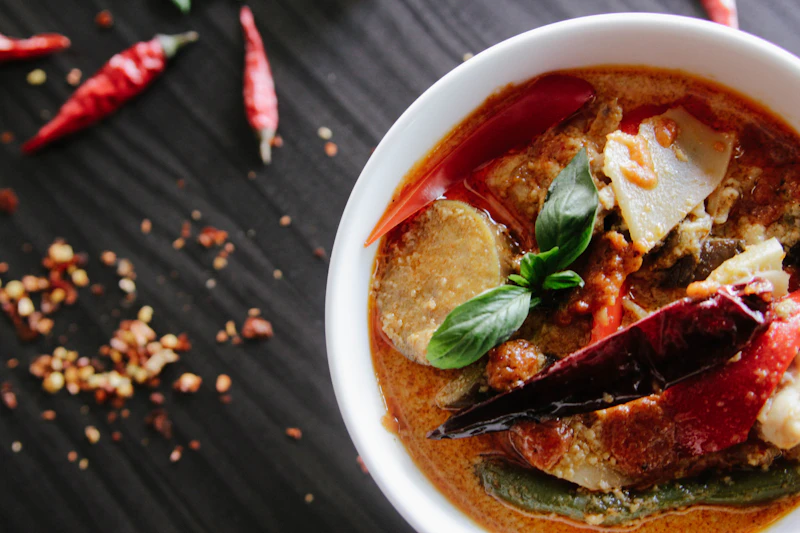
Welcome, fellow adventurers and food enthusiasts! As a seasoned traveler and a devoted connoisseur of Japanese cuisine, I can confidently say that few dishes capture the heart and soul of Japan quite like a steaming, savory bowl of ramen. It's more than just noodles and broth; it's a cultural phenomenon, a comfort food, and an art form. But here's a secret many don't realize: the best way to experience ramen is by understanding how it intertwines with Japan's distinct seasons. Just as the landscapes transform from delicate cherry blossoms to vibrant autumn leaves and sparkling winter snow, so too does the ideal ramen experience shift. This guide is your passport to navigating Japan's incredible ramen landscape, ensuring that no matter when you embark on your Japan seasonal travel adventure, you'll find the perfect bowl to warm your spirit or cool you down. Get ready to dive deep into the world of Japanese ramen, season by glorious season!
Spring Awakening: Cherry Blossoms and Lighter Bowls (March-May)
As Japan shakes off winter's chill and bursts into a kaleidoscope of pastel pinks with the arrival of sakura (cherry blossoms), the culinary mood lightens. Spring in Japan is a time for freshness, new beginnings, and flavors that awaken the palate without overpowering it. When planning your spring Japan seasonal travel, think about ramen that complements the crisp air and the visual delicacy of the season.
Fresh Flavors for Sakura Season
Spring ramen often leans towards lighter, clearer broths that celebrate subtle, delicate flavors. Forget the heavy, fatty richness of winter. Instead, look for:
- Shio Ramen: The quintessential light ramen. Shio (salt) broth is typically made from chicken or pork bones, often with dashi (a foundational Japanese broth, usually made from kombu seaweed and katsuobushi dried bonito flakes) and a clean, saline seasoning. It's often garnished with thin slices of chicken chashu, spring onions, and sometimes a delicate yuzu citrus zest for an aromatic finish. This bowl is perfect for a stroll through a blooming park.
- Dashi-Based Ramen: Many shops highlight dashi in spring, creating broths that are deeply umami yet remarkably light. Think niboshi (dried sardine) dashi or tai (sea bream) dashi ramen, which offer a sophisticated, oceanic depth without any greasiness. These are particularly popular in regions with strong culinary traditions like Kyoto, where elegance is key.
- Vegetable Ramen: With spring comes a bounty of fresh vegetables. You might find ramen featuring sansai (wild mountain vegetables), asparagus, or bamboo shoots, offering a pleasant crunch and earthy flavor that pairs beautifully with shoyu (soy sauce) or shio broths.
Traveler's Tip: After a delightful hanami (cherry blossom viewing) picnic under the blossoms, a light shio ramen is the perfect way to re-energize without feeling heavy. Explore shops near famous parks or temples for an authentic post-viewing experience. For a unique twist on your Japan seasonal travel, seek out limited-time spring-themed ramen that might incorporate seasonal ingredients or even sakura-shaped fish cakes!
Spring's Seafood Delights
Japan's surrounding waters offer a rich harvest in spring. Many ramen shops leverage this, featuring seasonal seafood. Keep an eye out for:
- Hamaguri (clam) ramen: A light, briny broth made from fresh clams, often served with plump, juicy clams as a topping. It’s an exquisite taste of the ocean, perfectly suited for spring.
- Madai (red sea bream) ramen: As mentioned, tai ramen can be a spring highlight. The broth is often made by simmering the fish bones, resulting in a clear yet profoundly flavorful soup.
These bowls embody the freshness and renewal of spring, making them an ideal culinary choice for your Japan seasonal travel during this beautiful time of year.
Summer's Embrace: Refreshing Bowls and Tsukemen (June-August)
When summer arrives in Japan, bringing with it humidity and soaring temperatures, the last thing many people crave is a steaming hot bowl of soup. This is where Japanese culinary ingenuity truly shines! Summer ramen is all about cooling down, refreshing the palate, and offering alternatives that are equally delicious but better suited to the sweltering heat. Your Japan seasonal travel in summer should definitely include these inventive noodle dishes.
Beating the Heat with Chilled Ramen
- Hiyashi Chuka: The undisputed king of summer ramen. This isn't a soup ramen at all, but rather a chilled ramen salad. Noodles are served cold, often tossed in a tangy dressing (typically soy sauce, vinegar, and sesame oil-based), and generously topped with a colorful array of ingredients. Common toppings include:
- Thin strips of cucumber
- Ham or chicken
- Kinshi tamago (thinly sliced omelet)
- Shrimp
- Beni shoga (red pickled ginger)
- Tomatoes It’s a vibrant, refreshing, and utterly satisfying meal that's perfect for lunch on a hot day. Every ramen shop and convenience store offers their take on Hiyashi Chuka during summer.
- Tsukemen (Dipping Ramen): While available year-round, tsukemen truly comes into its own during the warmer months. With tsukemen, the noodles are served cold or at room temperature, separate from a thick, concentrated, and usually piping hot dipping broth. You pick up a mouthful of noodles, dip them into the flavorful broth, and slurp. This allows you to control the temperature and intensity with each bite. The broth is often richer than a typical ramen broth, meant to cling to the noodles. At the end, you can usually ask for wari-soup (a lighter broth) to dilute the remaining dipping broth, turning it into a drinkable soup. Tsukemen is particularly popular in Tokyo and offers a satisfyingly hearty yet manageable meal in the heat.
Traveler's Tip: Look for shops specializing in tsukemen, especially if you're exploring bustling city centers. Many popular establishments will have long queues, but the reward is worth it. For a quick and easy summer meal during your Japan seasonal travel, pick up a pre-made Hiyashi Chuka from any convenience store – they are surprisingly good and a lifesaver on a hot day!
Summer Festivals and Night Market Noodle Stalls
Summer in Japan is synonymous with vibrant matsuri (festivals) and lively night markets. While ramen shops maintain their regular hours, you might find more casual noodle stalls popping up, offering quick and easy takes on ramen or other noodle dishes. These are great for a quick bite amidst the festivities. Also, keep an eye out for limited-time summer ramen specials that might incorporate unique seasonal vegetables or light seafood.
Autumn's Golden Glow: Rich Broths and Hearty Harvests (September-November)
As the summer heat mellows into the crisp, cool air of autumn, Japan transforms into a breathtaking tapestry of crimson and gold. This season, known for its momiji (autumn foliage) and bountiful harvests, calls for a return to richer, more warming flavors in ramen. Autumn is arguably one of the best times for Japan seasonal travel, and the ramen reflects the cozy, comforting atmosphere.
Warming Up with Robust Flavors
The cooling temperatures make hearty, full-bodied ramen broths incredibly appealing. This is the perfect time to delve into some of Japan's most famous and robust regional ramen styles:
- Miso Ramen (Hokkaido-style): Originating from the snowy north of Hokkaido, miso ramen is built on a rich pork or chicken broth, infused with miso paste. The miso adds a deep, savory, slightly sweet, and incredibly complex umami flavor that is both warming and satisfying. Common toppings include stir-fried vegetables (bean sprouts, cabbage, carrots), ground pork, and a generous knob of butter (especially in Hokkaido!). It’s the ultimate comfort food for a chilly autumn day.
- Tonkotsu Ramen (Kyushu-style): Hailing from Fukuoka in Kyushu, tonkotsu ramen features a creamy, milky white broth made by boiling pork bones for hours (sometimes even days) until they completely break down. The result is an incredibly rich, collagen-packed, and deeply savory broth that coats the palate. It's typically served with thin, straight noodles, tender chashu, spring onions, kikurage (wood ear mushrooms), and often a drizzle of mayu (black garlic oil). This is a truly indulgent experience perfect for the cooler autumn evenings.
- Shoyu Ramen with Deeper Broths: While shoyu (soy sauce) ramen is versatile, autumn versions often feature darker, more intense soy-based broths that have been simmered longer or incorporate richer ingredients. They provide a comforting warmth without being overly heavy, letting the nuances of the soy and dashi shine through.
Traveler's Tip: After a day of exploring vibrant autumn foliage, a rich bowl of miso or tonkotsu ramen is the perfect antidote to the crisp air. For those doing extensive Japan seasonal travel, make sure to visit Hokkaido for an authentic miso ramen experience or Fukuoka for the ultimate tonkotsu. Many ramen shops will also incorporate seasonal mushrooms or other autumn vegetables into their toppings, adding an earthy depth to your bowl.
The Umami of Autumn: Regional Specialties
Autumn also brings out unique regional ramen variations that highlight local ingredients. You might find:
- Game meat ramen: In some rural areas, particularly during hunting season, you might encounter limited-time ramen featuring broths made from venison or wild boar, offering a truly unique and robust flavor profile.
- Seafood-infused broths: While spring favors lighter seafood, autumn might bring richer fish-based broths, perhaps with a smoky element, reflecting the bounty of the harvest season.
Autumn ramen is all about hearty satisfaction, making it an essential part of your Japan seasonal travel culinary exploration.
Winter Wonderland: Comforting Bowls for Snowy Days (December-February)
As winter blankets Japan in snow and brings forth a biting chill, the desire for warmth and comfort becomes paramount. And what better way to find solace from the cold than with a steaming, soul-satisfying bowl of ramen? Winter ramen is all about richness, heat, and hearty sustenance, perfect for re-energizing after skiing, exploring snowy landscapes, or simply escaping the cold. This is truly where ramen shines as a beacon of warmth for Japan seasonal travel.
Ultimate Warmth: Spicy and Creamy Delights
Winter calls for ramen that provides deep internal warmth and indulgent flavors. This is the time to embrace the thickest, spiciest, and most comforting bowls:
- Tantanmen: Japan's take on Chinese Dan Dan noodles, tantanmen is a spicy, creamy, and nutty delight. The broth is usually pork-based with a generous amount of chili oil, sesame paste, and often topped with spicy ground pork, bok choy, and a sprinkle of nuts. Its fiery kick is perfect for thawing out on a freezing day.
- Spicy Miso Ramen: Taking the comforting miso ramen to the next level, spicy miso variations incorporate various chili pastes and spices into the broth, delivering a powerful warming sensation. Often served with a generous dollop of butter and corn, especially in Hokkaido, it's a deeply satisfying and invigorating bowl.
- Extra Rich Tonkotsu Ramen: While delicious year-round, an extra-rich, unctuous tonkotsu ramen with all the trimmings is particularly comforting in winter. Some shops offer "koikuchi" (richer) versions specifically designed for those cold months, often topped with extra chashu (braised pork belly) and a rich ajitama (seasoned soft-boiled egg).
Traveler's Tip: If you find yourself in Japan's snow regions, such as Hokkaido, Tohoku, or Niigata, seeking out local ramen shops is a must. Their ramen styles are often perfectly adapted to the cold climate, featuring extra hearty broths and toppings. After a day on the slopes or exploring a traditional snow festival, a bowl of warming ramen is the ultimate reward.
Beyond the Broth: Winter Toppings and Pairings
Winter ramen often comes with additional toppings designed for warmth and heartiness:
- Butter and Corn: A classic pairing with miso ramen, especially in Hokkaido, adding a creamy richness and sweetness.
- Garlic: Crushed garlic or fried garlic chips are often offered as an optional topping, providing a pungent warmth and flavor boost.
- Spicy Toppings: Many shops will offer rayu (chili oil), ichimi/shichimi togarashi (chili flakes), or other chili pastes to customize your heat level.
- Sake Pairings: Consider pairing your winter ramen with a small glass of atsukan (hot sake), a delightful combination that enhances the warmth and deepens the culinary experience.
Embracing these warming, hearty bowls is an essential part of making the most of your Japan seasonal travel during the beautiful, albeit chilly, winter months.
Essential Ramen Etiquette & Tips for Seasonal Travelers
No matter the season, understanding a few basic ramen etiquette tips will enhance your dining experience and show respect for the Japanese culture. Integrating these into your Japan seasonal travel plans will make you feel like a local!
How to Order Like a Pro
- Vending Machines: Many ramen shops use a ticket vending machine near the entrance. Insert your money, select your ramen and toppings, collect your change, and hand the ticket to the staff. It's often helpful to have small bills.
- Know Your Preferences: Some shops might ask for your preferences:
- Noodle Hardness: "Katame" (hard), "futsuu" (normal), "yawarakame" (soft).
- Broth Richness: "Koime" (rich/strong), "futsuu" (normal), "usume" (light/weak).
- Oil Amount: "Oome" (more), "futsuu" (normal), "sukuna-me" (less).
- "Omakase" (Chef's Choice): If you're unsure, "futsuu" for everything is always a safe bet, or simply trust the chef's standard preparation.
Slurp with Pride!
Don't be shy – slurping your noodles is not only acceptable but encouraged in Japan! It shows appreciation for the meal and helps cool down hot noodles, enhancing their flavor and aroma. Don't worry about making noise; it's a sign of enjoyment.
Beyond the Big Cities
While Tokyo, Osaka, and Kyoto offer an incredible array of ramen shops, don't limit your search to these urban centers. Part of the joy of Japan seasonal travel is discovering regional ramen specialties off the beaten path. Each prefecture, and often each city, boasts its unique ramen style, reflecting local ingredients and culinary traditions. Exploring these hidden gems can be one of the most rewarding aspects of your journey. Talk to locals, ask for recommendations, and be adventurous!
Conclusion: Your Seasonal Ramen Adventure Awaits!
From the delicate dashi broths of spring to the refreshing chill of hiyashi chuka in summer, the robust richness of autumn miso, and the warming embrace of winter tonkotsu, ramen in Japan is a dynamic, evolving culinary masterpiece that perfectly mirrors the rhythm of the seasons. Your Japan seasonal travel experience will be immeasurably enriched by paying attention to these seasonal nuances, allowing you to connect with the country's culture and flavors on a deeper level. Each bowl tells a story, a reflection of its region and the time of year.
So, whether you're chasing cherry blossoms, enjoying summer festivals, marveling at autumn leaves, or hitting the ski slopes, remember that a perfect bowl of ramen awaits. Ready to embark on your own seasonal ramen adventure? Explore our interactive map to find the perfect ramen shop near you, no matter the season!
You might also like
Was this page helpful?
Your feedback helps us improve our guides