
Unlock the Secret: Master the Art of Perfect Ajitama – Your Ultimate Ramen Egg Guide!
📅 2026-04-14
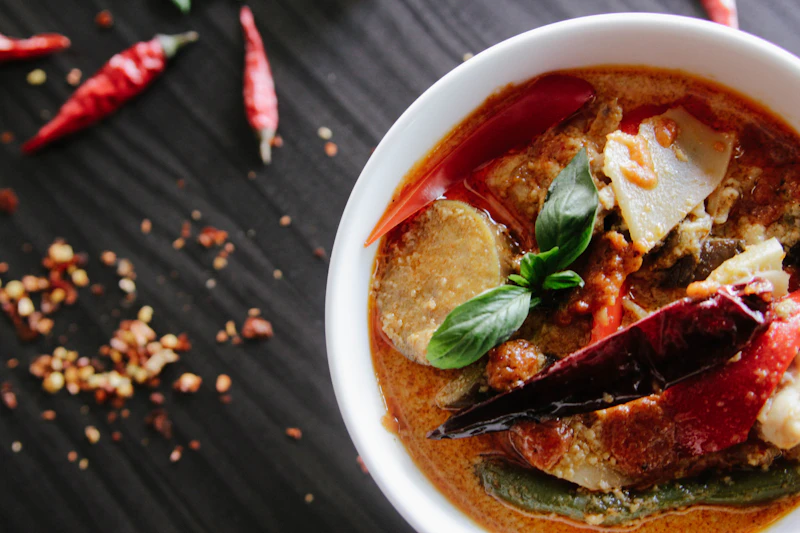
Imagine a steaming bowl of ramen – rich, savory broth, tender noodles, slices of succulent chashu, and vibrant scallions. It’s a symphony of flavors and textures, a culinary hug in a bowl. But there’s often one star component that truly elevates the experience from excellent to utterly transcendent: the ajitama, or the perfect ramen egg. That beautiful, amber-hued egg, with its firm yet yielding white, and a mesmerizingly soft, jammy yolk that oozes just slightly when sliced, bathed in a sweet and savory marinade. It’s more than just an egg; it's a testament to the meticulous artistry of Japanese cuisine, a small marvel that adds depth, richness, and visual appeal to every slurp.
For many, the ajitama is the litmus test of a great ramen shop. Its texture, flavor, and appearance speak volumes about the care and skill put into the entire dish. But what if I told you that this seemingly complex component, often reserved for professional kitchens, is surprisingly achievable at home? As a seasoned travel blogger and a devout Japanese food expert, I’ve chased the perfect ajitama from Hokkaido to Kyushu, savoring its nuanced perfection in countless ramen-ya. And today, I’m sharing all my accumulated wisdom, the tips, tricks, and scientific principles behind crafting that elusive, irresistible ramen egg. Prepare to unlock the secret and master the art of the perfect ajitama yourself!
What Exactly is Ajitama and Why Does it Steal the Show?
The term ajitama (味玉) literally translates to "flavored egg" (aji = flavor, tama = egg). It's a Japanese soft-boiled egg that has been marinated in a savory mixture, typically involving soy sauce, mirin, sake, and sugar. What sets it apart from a regular soft-boiled egg isn't just the marinade, but the specific consistency of its yolk – often a beautiful, almost custard-like, jammy texture that is neither fully liquid nor completely firm.
The Allure of Ajitama: Flavor, Texture, and Umami Bomb
- Unrivaled Flavor: The marinade infuses the egg with a complex profile of sweet, savory, and umami notes. The soy sauce provides saltiness and depth, mirin adds a delicate sweetness and gloss, sake contributes to a rounded flavor, and sometimes dashi is added for an extra layer of umami. This contrasts beautifully with the richness of the egg itself.
- Sensational Texture: The magic truly lies in the yolk. Cooked just enough to be set but still wonderfully soft and gooey, it creates a luxurious mouthfeel that complements the firmer white. This specific texture is often referred to as "jammy" or "custardy," a testament to its delightful semi-liquid state.
- Visual Masterpiece: A perfectly executed ajitama is a feast for the eyes. Its golden-brown exterior, often with a subtle sheen from the marinade, and the vibrant, almost neon-orange hue of its jammy yolk when sliced, adds an undeniable aesthetic appeal to any dish, especially a bowl of ramen. It's a culinary highlight, a photogenic star.
- Umami Powerhouse: Eggs themselves are rich in umami, and when combined with umami-rich ingredients like soy sauce and potentially dashi in the marinade, the resulting ajitama becomes an absolute umami bomb. It adds a crucial layer of savory depth that can tie together the diverse elements of a ramen bowl.
The Science of the Perfect Boil: Timing is Everything
Achieving that elusive jammy yolk is the most crucial step in crafting perfect ajitama. It’s a delicate balance, and just a minute too long or too short can make all the difference. This isn't just cooking; it's precision culinary science.
Pre-Boil Preparation: Setting the Stage for Success
-
Egg Selection:
- Freshness Matters: While very fresh eggs can sometimes be harder to peel, slightly older eggs (about 5-7 days after their lay date, often found just past the freshest carton on the shelf) tend to peel much more easily. Don't use eggs that are too old, though, as their whites can become watery.
- Temperature: It's best to start with eggs straight from the refrigerator. While some chefs swear by room-temperature eggs for more consistent cooking, starting cold reduces the risk of overcooking the yolk while the white sets. I've found cold eggs to be more reliable for the jammy consistency.
- Puncture (Optional but Recommended): Use a thumbtack or an egg piercer to make a tiny hole in the wider, blunt end of the egg. This releases air trapped inside, which helps prevent cracking during boiling and makes peeling significantly easier.
-
The Boiling Environment:
- Generous Pot: Use a pot large enough so the eggs aren't crowded.
- Plenty of Water: Fill the pot with enough water to fully submerge the eggs, plus an inch or two extra.
- Salt or Vinegar (Optional): A tablespoon of salt or a splash of white vinegar added to the boiling water won't dramatically affect peeling ease, but it can help coagulate any egg white that might escape a crack, preventing a messy explosion.
The Precise Boiling Method for Jammy Yolks
This is where the magic happens. We're aiming for a soft-set white and a perfectly molten, yet not runny, jammy yolk.
- Bring Water to a Rolling Boil: Ensure the water is vigorously boiling before adding the eggs.
- Gentle Introduction: Carefully lower the eggs into the boiling water using a slotted spoon or ladle. Be gentle to prevent cracking.
- The Constant Roll: Immediately start a timer. For the first 1-2 minutes, gently stir or roll the eggs in the boiling water. This centralizes the yolk, giving your sliced ajitama that beautiful, perfectly circular yolk in the middle.
- Precise Timing (Large Eggs, refrigerated):
- 6 minutes: Very soft, slightly runny yolk.
- 6 minutes 30 seconds - 7 minutes: The sweet spot for a beautifully jammy, slightly gooey yolk. This is my go-to for ajitama.
- 7 minutes 30 seconds - 8 minutes: Firmer jammy yolk, approaching medium-boiled.
- Note: These times are for standard large eggs. Adjust by 30 seconds for extra-large eggs, or subtract 30 seconds for medium eggs. Altitude can also affect boiling times; higher altitudes may require slightly longer.
- The Immediate Ice Bath: As soon as the timer goes off, remove the eggs immediately and plunge them into a large bowl of ice water. This halts the cooking process, preventing overcooking, and also helps the egg whites contract, making peeling much easier. Let them cool in the ice bath for at least 5-10 minutes.
Peeling Perfection: The Art of a Smooth Surface
Peeling eggs can be a source of frustration, but with the right technique, it becomes much smoother.
- In the Water: Keep the eggs submerged in the ice water while peeling. The water helps to get under the membrane.
- Gentle Crack: Gently tap the wider end of the egg on a hard surface to create a crack. Then, roll the egg between your palms to create a network of fine cracks all around.
- Peel from the Air Pocket: Start peeling from the wider end, where the air pocket is. The membrane should come away more easily.
- Under Running Water (Optional): If struggling, you can peel under a slow stream of cold running water. The water helps loosen any stubborn bits of shell.
- Take Your Time: A smooth ajitama is a beautiful ajitama. Don't rush this step.
The Ultimate Ajitama Marinade: Crafting the Savory Elixir
Once your eggs are perfectly boiled and peeled, it's time to infuse them with that signature savory-sweet flavor. The marinade is simple, yet its balance is key to a truly outstanding ajitama.
Essential Marinade Ingredients
Here's my tried-and-true recipe for a foundational ajitama marinade:
- ½ cup (120ml) Soy Sauce: Opt for a good quality Japanese soy sauce (shoyu) for authentic flavor.
- ½ cup (120ml) Mirin: This sweet rice wine is crucial for sweetness and gloss. Don't substitute with cooking sake.
- ¼ cup (60ml) Sake: Adds depth and a subtle alcoholic complexity. You can use cooking sake, but a drinking-grade sake will offer a cleaner flavor.
- 2 tablespoons Granulated Sugar (or 1 tbsp Honey/Maple Syrup): Balances the savory notes and enhances the glaze. Adjust to your sweetness preference.
- ½ cup (120ml) Water: To dilute the marinade slightly, preventing it from becoming too salty.
Optional Flavor Boosters
For an extra layer of complexity and umami:
- 1 small piece Kombu (dried kelp): Adds profound umami. Soak it in the water for 30 minutes before mixing with other ingredients, or add it directly to the marinade to infuse over time.
- 1 clove Garlic (smashed): For a subtle aromatic kick.
- ½ inch Ginger (sliced): Adds a fresh, pungent note.
- Pinch of Togarashi (Japanese chili flakes): For a hint of spice.
Preparing the Marinade
- Combine Ingredients: In a small saucepan, combine the soy sauce, mirin, sake, sugar, and water. If using kombu, garlic, or ginger, add them now.
- Gently Heat: Bring the mixture to a gentle simmer over medium-low heat, stirring until the sugar is fully dissolved. Do not boil vigorously, especially if using sake, as you want to retain its subtle alcohol notes and not reduce the liquid too much.
- Cool Completely: Remove from heat and allow the marinade to cool down to room temperature. This is critical. Adding warm marinade to cold eggs can cook the whites further and affect the texture. You can speed this up by placing the saucepan in an ice bath.
The Marination Process: Time and Technique
Now for the final, flavor-infusing step. This is where your perfectly boiled eggs transform into true ajitama.
Choosing the Right Vessel
- Small, Deep Container: The goal is to minimize the amount of marinade needed while ensuring the eggs are fully submerged. A tall, narrow container or even a zip-top bag works perfectly.
- Zip-Top Bag Method (Highly Recommended): This is my preferred method. Place the peeled eggs into a sturdy, freezer-safe zip-top bag. Pour in the cooled marinade. Squeeze out as much air as possible before sealing. This creates a vacuum effect, ensuring the eggs are completely submerged with minimal liquid. It also allows you to easily flip the bag to ensure even marination.
Marination Time and Temperature
- Refrigeration is Key: Always marinate your ajitama in the refrigerator.
- Minimum Marination: For a subtle flavor, marinate for at least 6-8 hours.
- Optimal Marination: For that deep, rich, classic ajitama flavor and beautiful amber color, marinate for 12-24 hours. This allows the flavors to fully penetrate the whites.
- Maximum Marination: You can marinate for up to 48 hours for an even more intense flavor, but be mindful that the eggs can become quite salty if left too long.
- Flipping/Turning: If using a container where eggs aren't fully submerged, remember to gently turn them every few hours to ensure even coloring and flavor distribution. With the zip-top bag method, simply flip the bag once or twice.
Storing Your Ajitama
- Once marinated to your desired level, remove the ajitama from the marinade. You can store them in an airtight container in the refrigerator for up to 3-4 days.
- The leftover marinade can be reused for another batch of eggs within a few days, or it can be used to marinate chicken or tofu. If reusing, bring it to a simmer again briefly to kill any potential bacteria, then cool completely before using.
Troubleshooting Common Ajitama Issues
Even with the best intentions, things can sometimes go awry. Here are some common problems and their solutions:
- Difficulty Peeling:
- Cause: Very fresh eggs, not enough ice bath time, or not piercing the shell.
- Solution: Use eggs a few days old. Always plunge immediately into an ice bath for at least 5-10 minutes. Pierce the wider end before boiling. Peel under cold water.
- Overcooked Yolk (Too Firm):
- Cause: Boiling for too long.
- Solution: Reduce boiling time by 30-60 seconds. Ensure water is at a rolling boil when eggs are added (if water isn't hot enough initially, eggs will cook longer to reach the same temperature).
- Undercooked Yolk (Too Runny/Liquid):
- Cause: Boiling for too short a time, or using very cold eggs that take longer to heat through.
- Solution: Increase boiling time by 30-60 seconds. Ensure eggs are refrigerated, but consistently so.
- Uneven Marination/Color:
- Cause: Eggs not fully submerged, or not flipped during marination.
- Solution: Use the zip-top bag method to ensure full coverage. If using a container, ensure eggs are regularly turned.
- Too Salty Ajitama:
- Cause: Marinated for too long, or marinade is too concentrated.
- Solution: Reduce marination time, especially if using a highly concentrated marinade. You can also add a little more water to the marinade if you prefer a milder flavor.
Beyond Ramen: Creative Uses for Your Homemade Ajitama
While the perfect ajitama is an undisputed king in a bowl of ramen, its versatility extends far beyond that. Don't limit yourself!
- On Rice Bowls (Donburi): Slice and serve atop a bowl of steamed rice with some grilled chicken (yakitori-don) or pork (butadon) for an extra layer of richness.
- Salad Topper: A sliced ajitama adds incredible flavor, protein, and visual appeal to any green salad. The jammy yolk mixes beautifully with vinaigrettes.
- As a Snack: Honestly, a perfectly chilled ajitama is a delightful snack all on its own. It's satisfying and packed with savory flavor.
- Bento Box Star: A beautiful addition to any Japanese-style lunch box, adding color and deliciousness.
- With Noodles (Hiyashi Chuka): For cold ramen dishes or other noodle salads, ajitama is an ideal accompaniment.
- On Toast: A creative twist, mash an ajitama onto toast with a sprinkle of furikake for a gourmet breakfast.
The Ultimate Ramen Experience Starts Here
Mastering the ajitama is a rewarding culinary journey that opens up a new world of flavor possibilities in your kitchen. It transforms a simple boiled egg into a gourmet delicacy, a testament to your newfound skill and appreciation for the nuances of Japanese cuisine. The rich, savory marinade combined with that mesmerizingly jammy yolk is a revelation, turning any homemade ramen into a truly restaurant-quality experience.